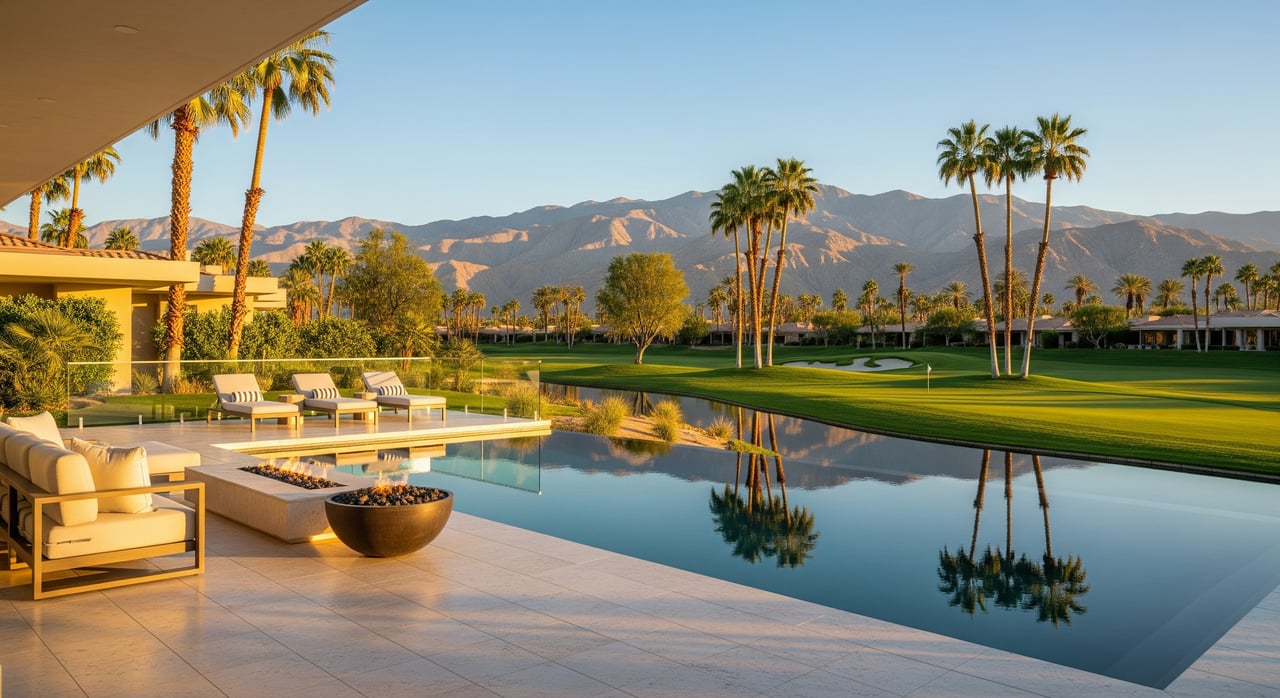
Thinking about buying a home in Thunderbird Country Club Estates and making it your own? In this part of Rancho Mirage, renovation is often less about starting from scratch and more about making thoughtful updates to homes with real architectural character. If you understand what to preserve, what to modernize, and how HOA and city approvals fit into the process, you can make smarter decisions before you buy or remodel. Let’s dive in.
Why renovation looks different here
Thunderbird Country Club has deep roots in Rancho Mirage. The club began as Thunderbird Ranch in 1946, became Thunderbird Country Club in 1950, and opened in 1951 as the first 18-hole golf course in the larger Palm Springs area. The neighborhood’s major residential build-out followed during the 1951 to 1973 period.
That timeline matters because many homes in Thunderbird Country Club Estates are not new builds. They often come from the mid-century or late mid-century era, which means renovation decisions usually involve balancing updated comfort with original design intent.
What makes these homes distinctive
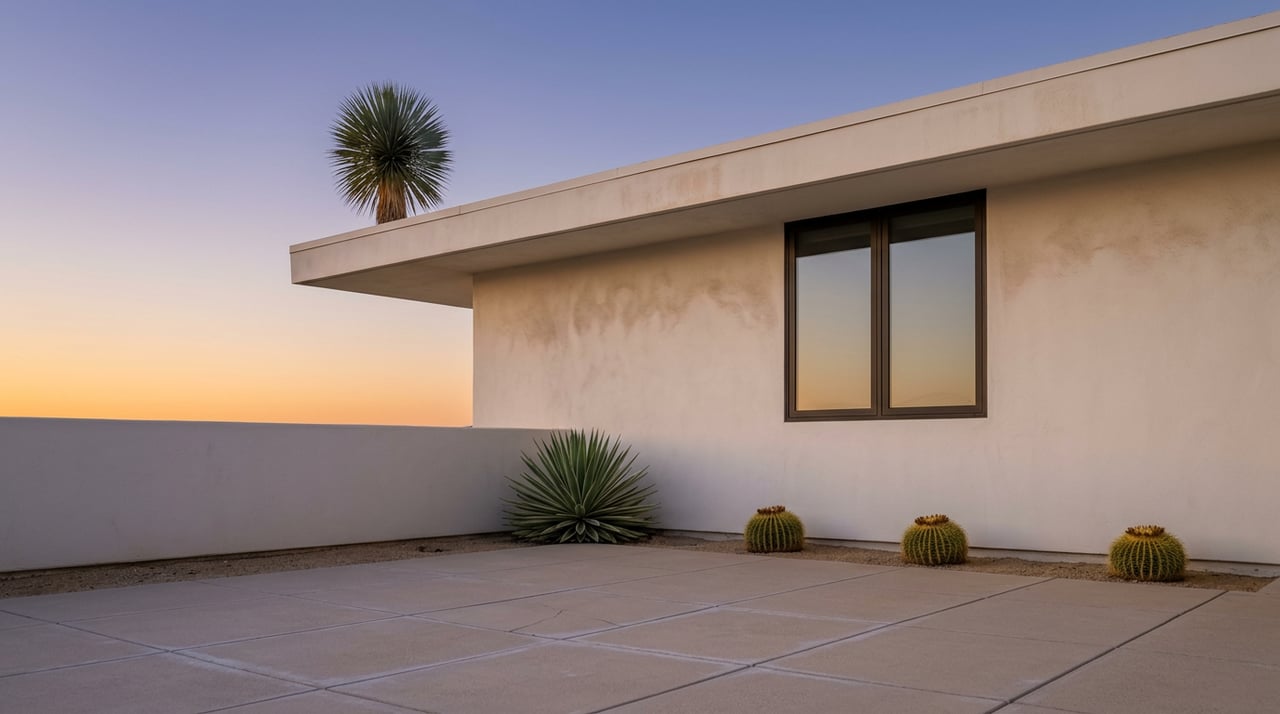
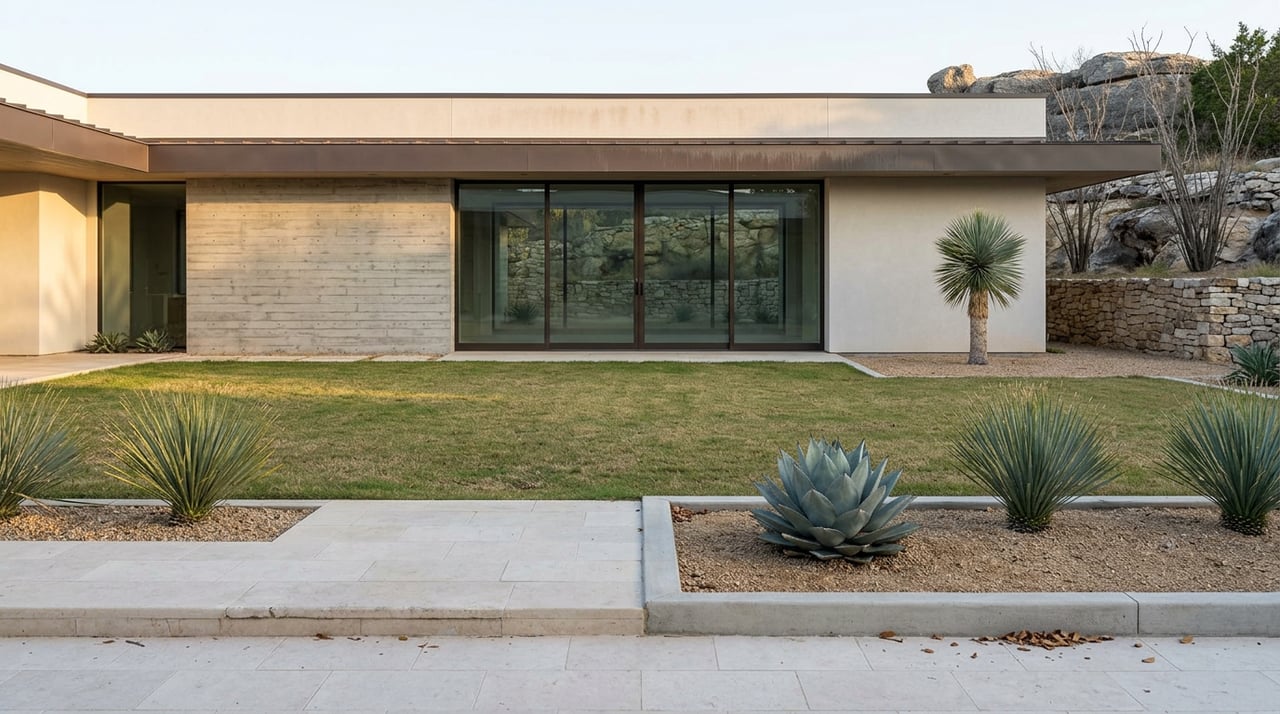
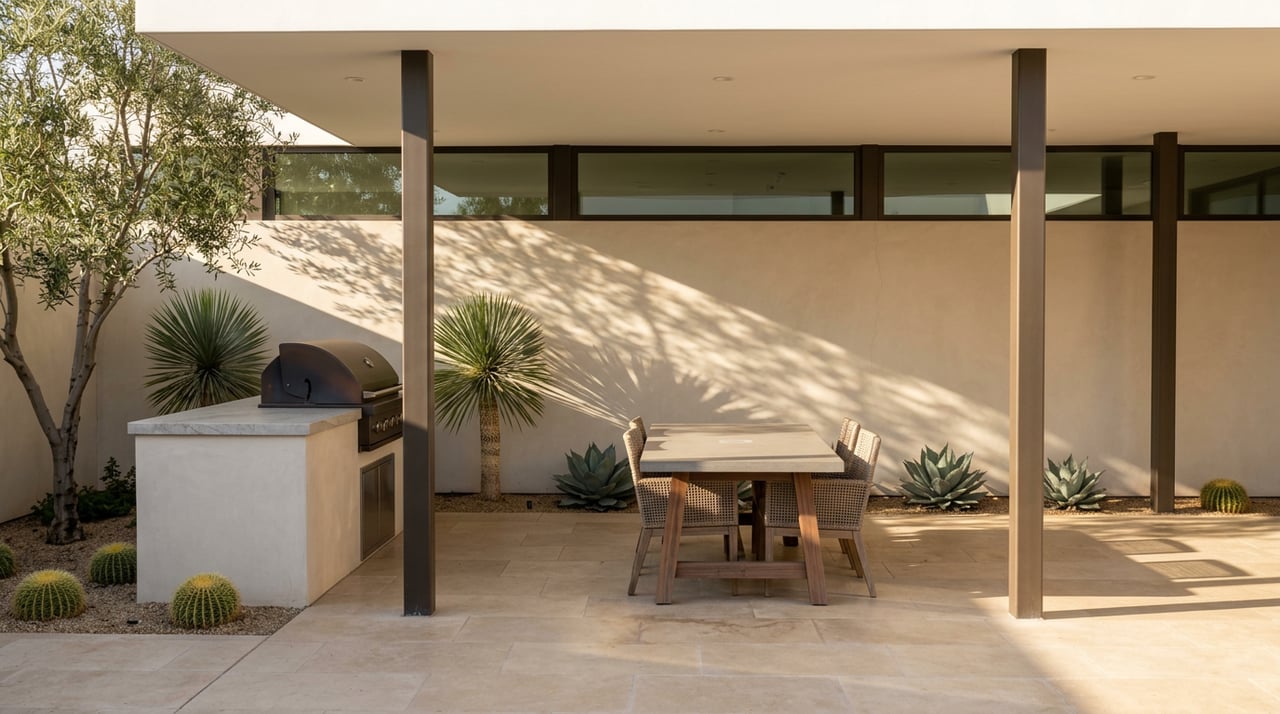
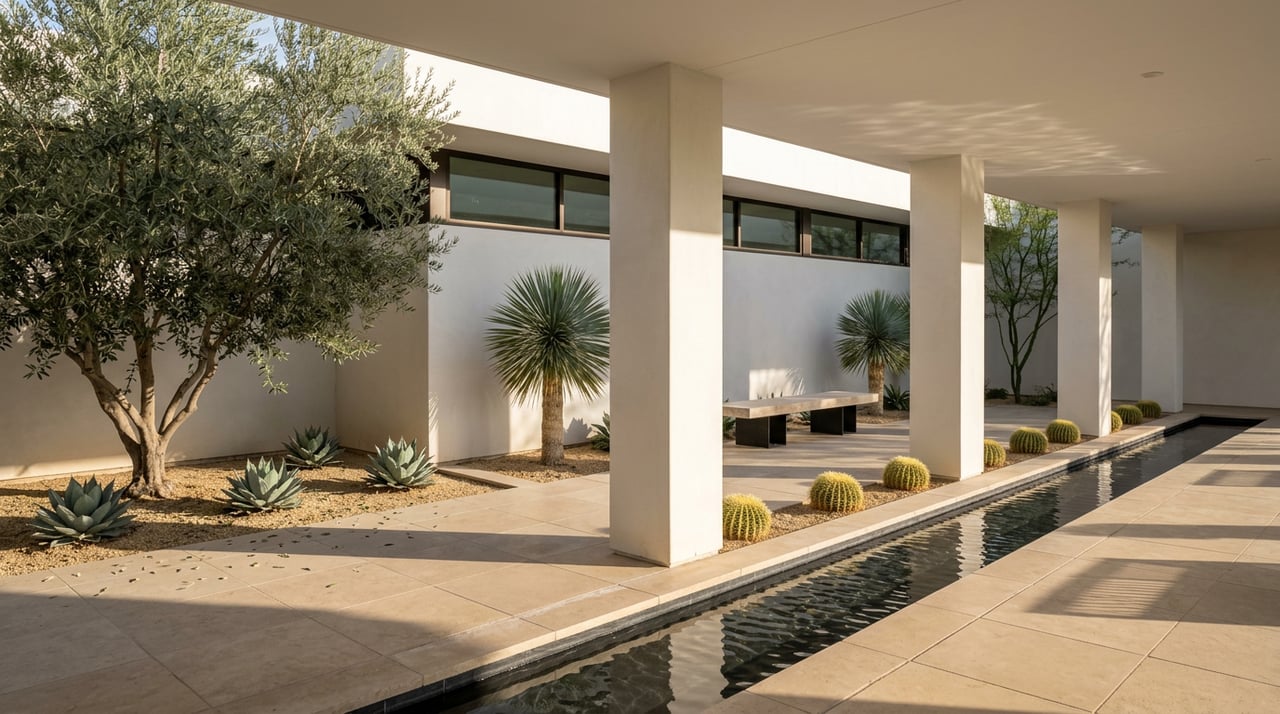
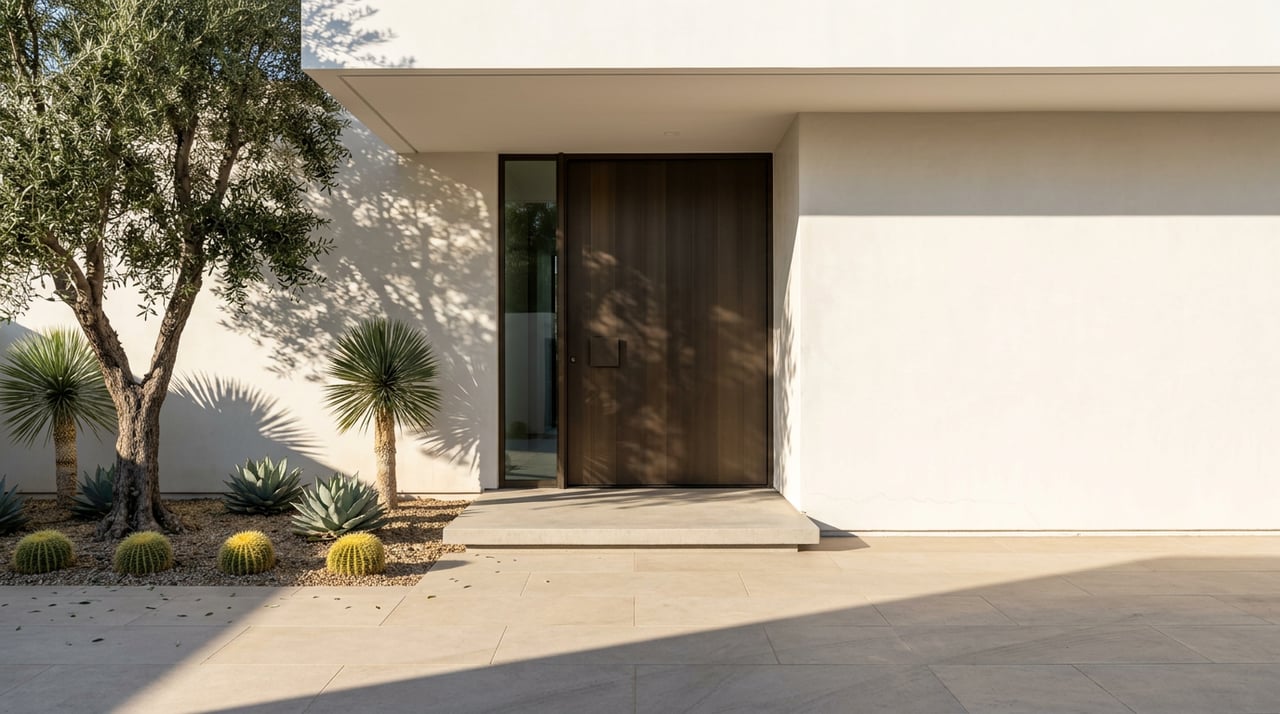
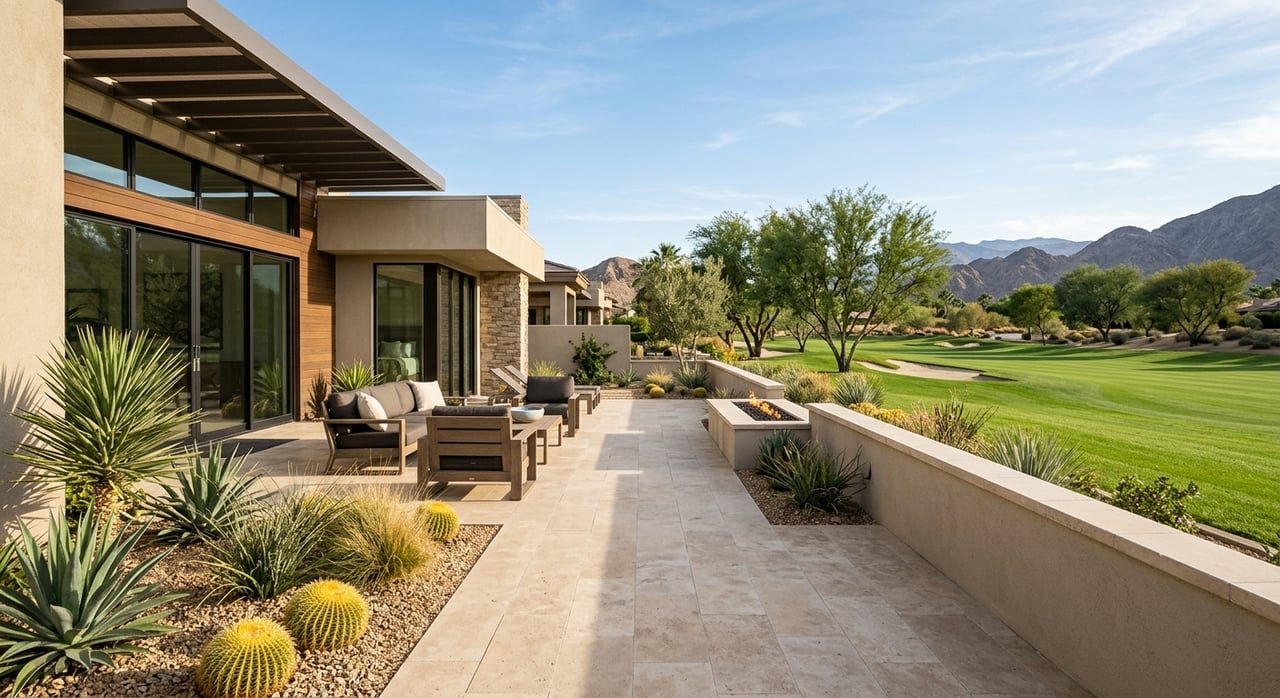
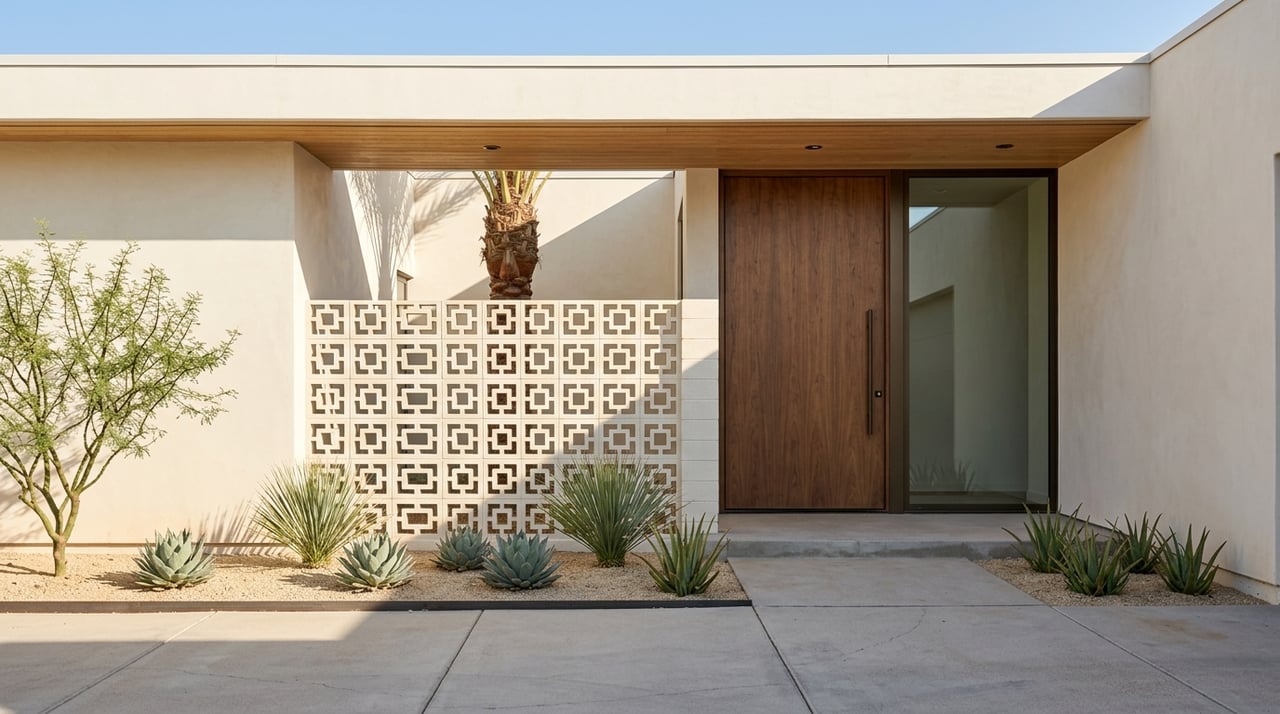
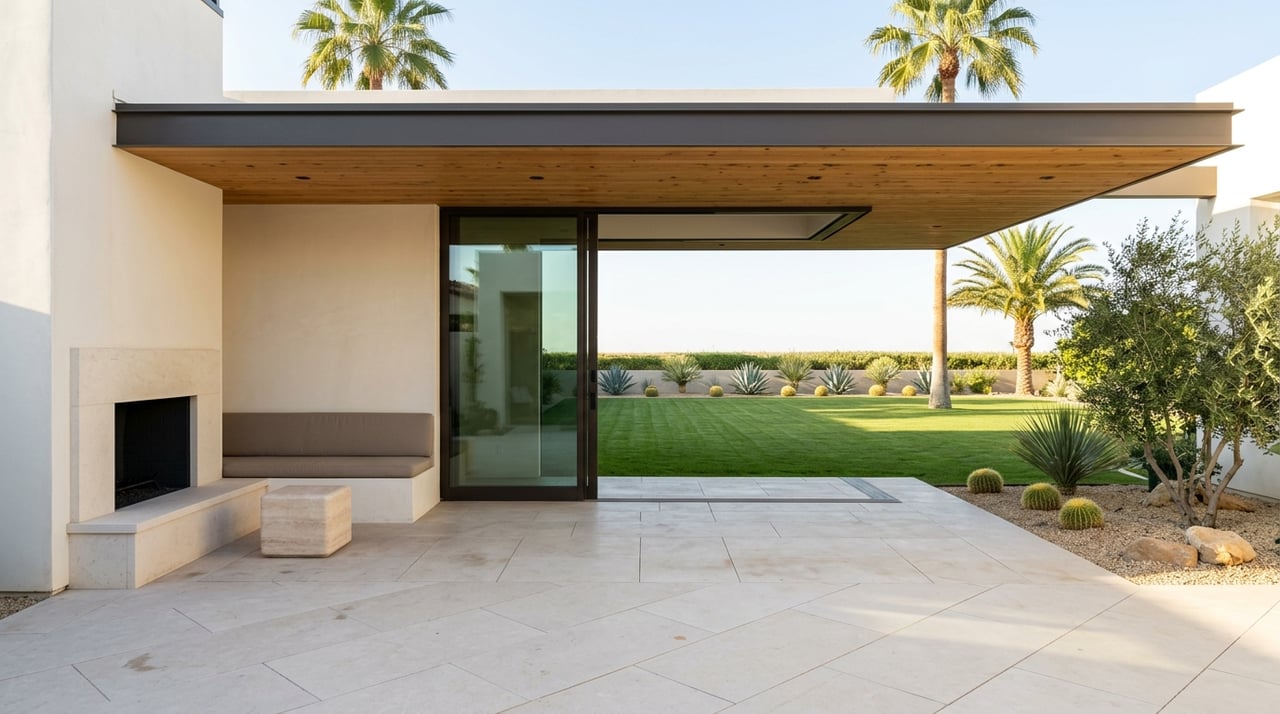
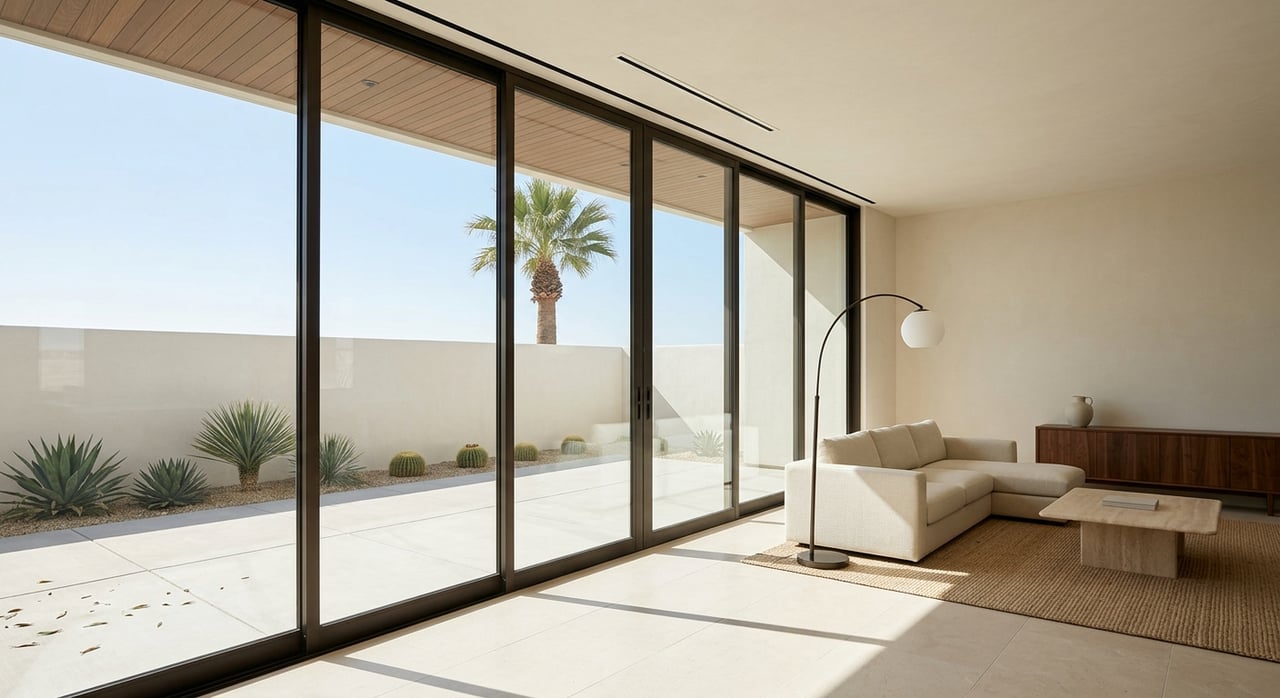
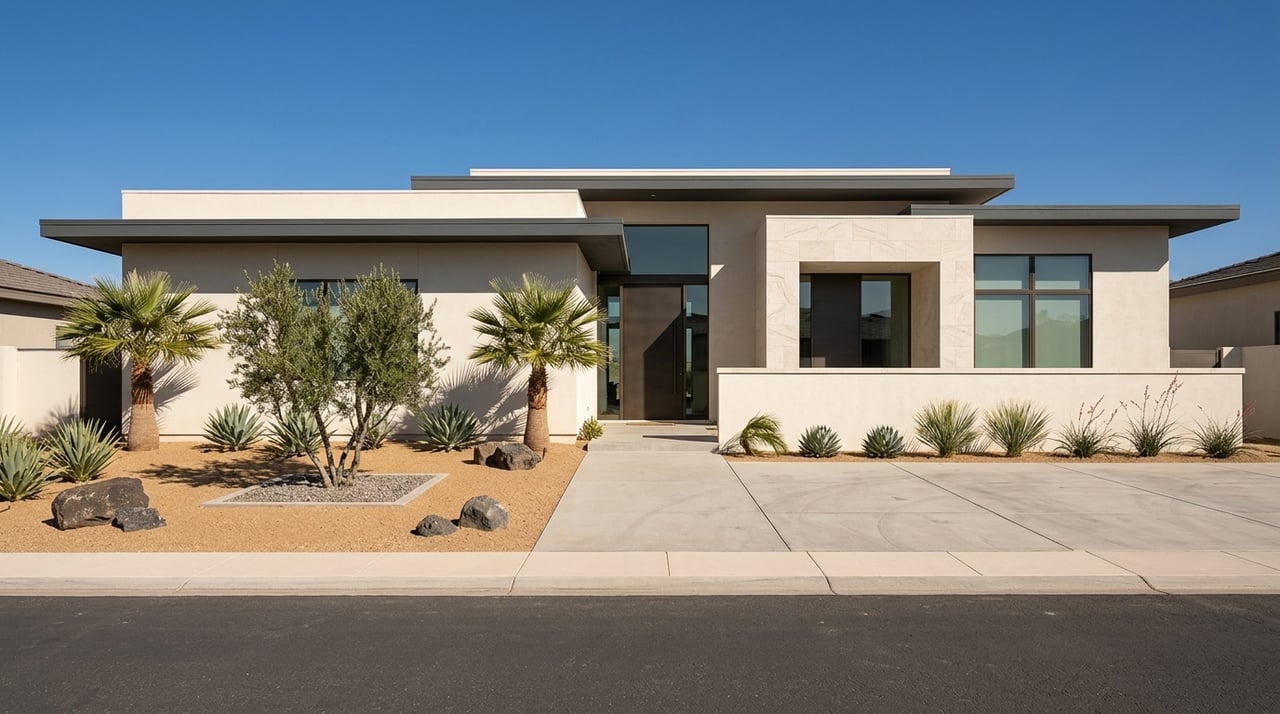
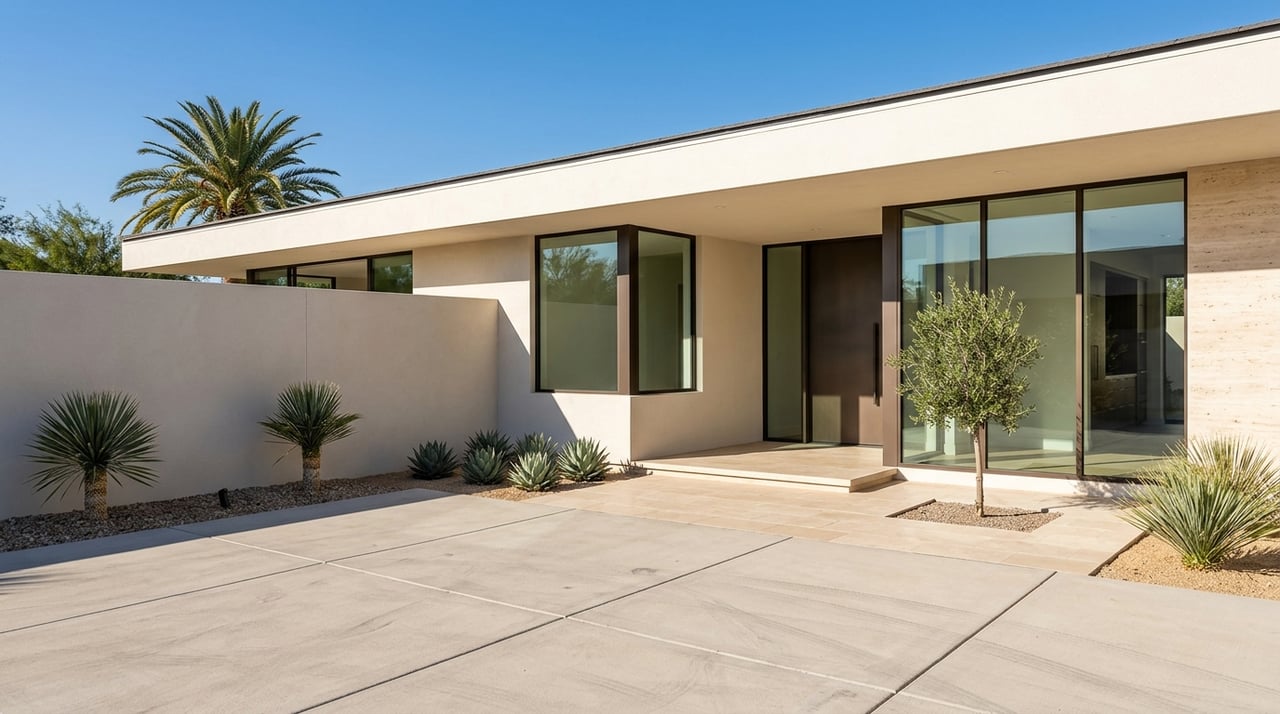
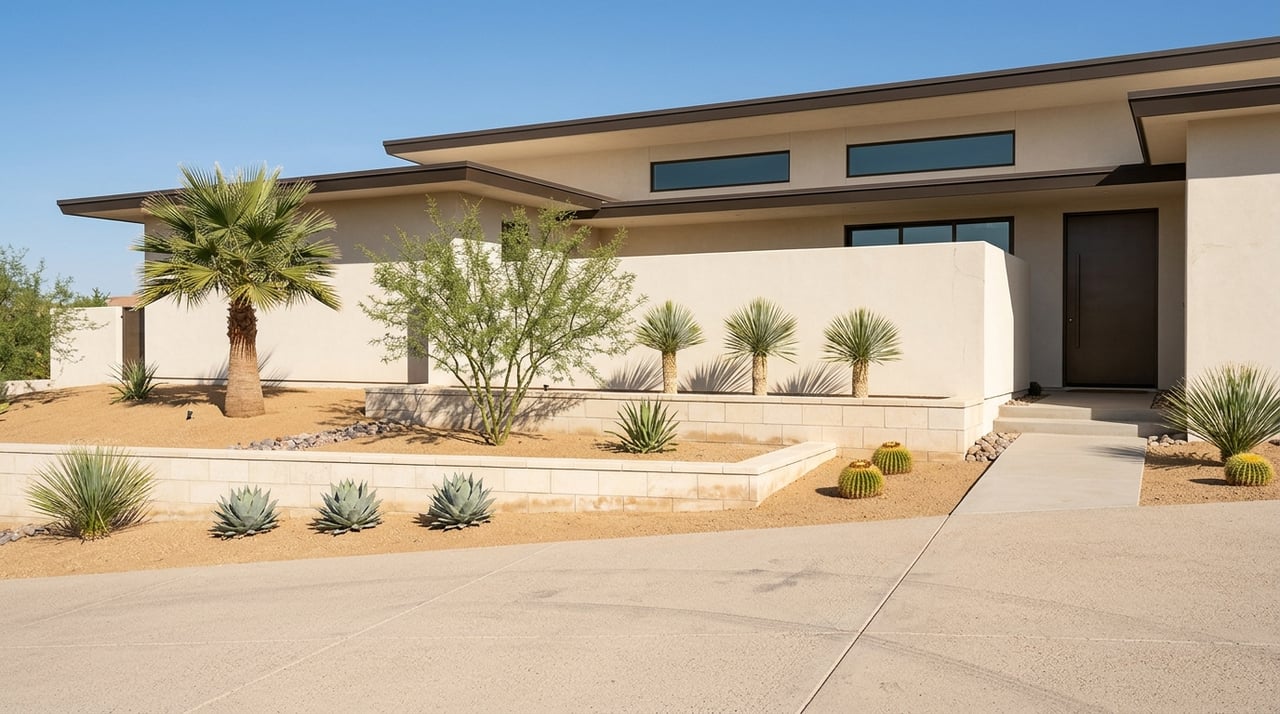
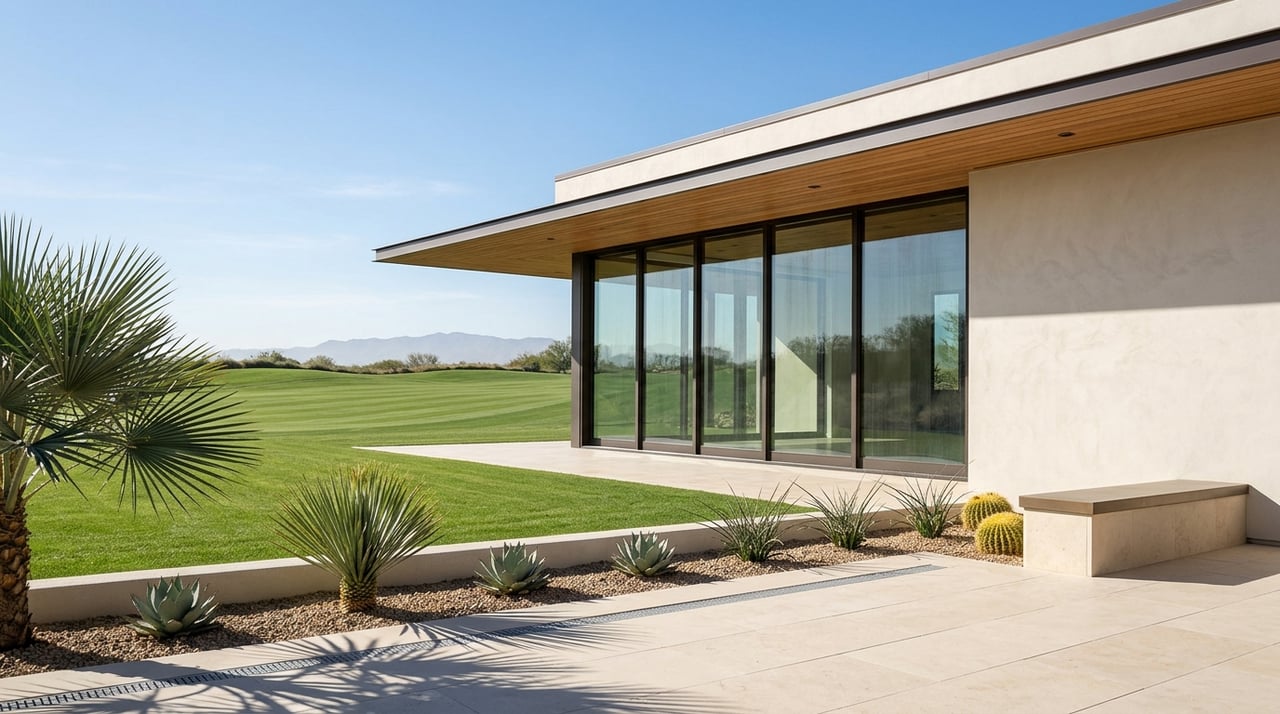
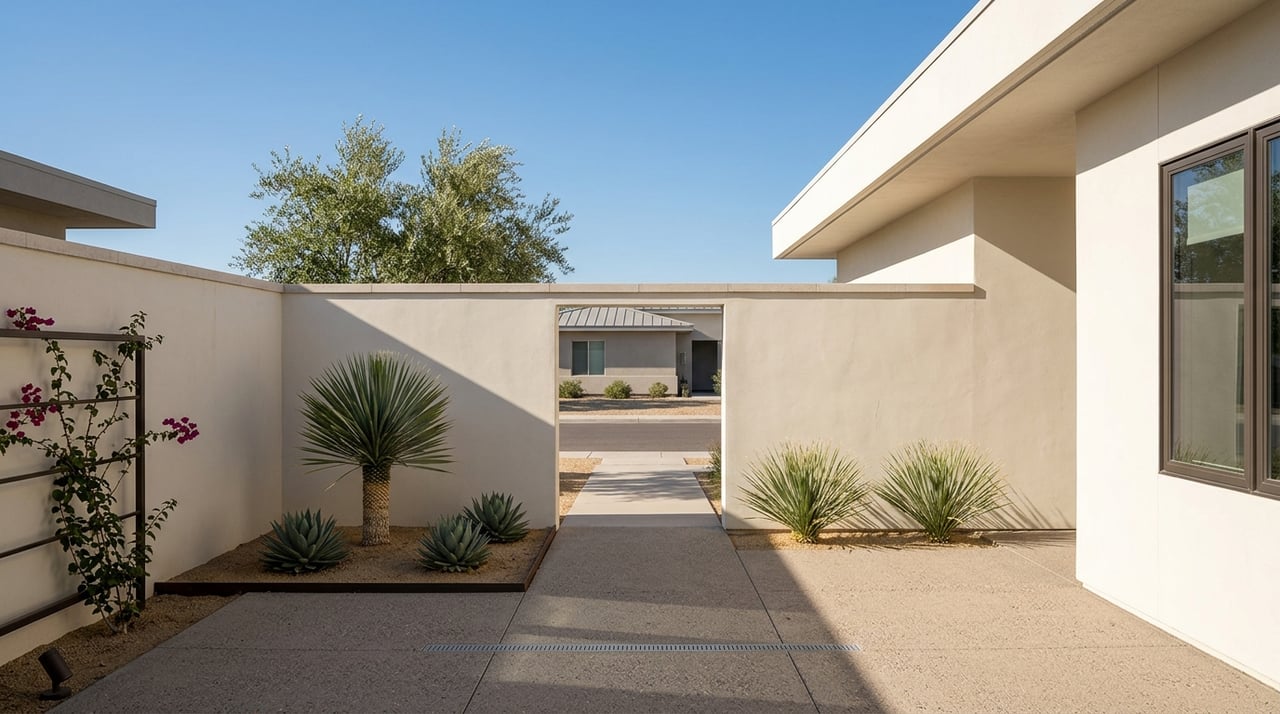
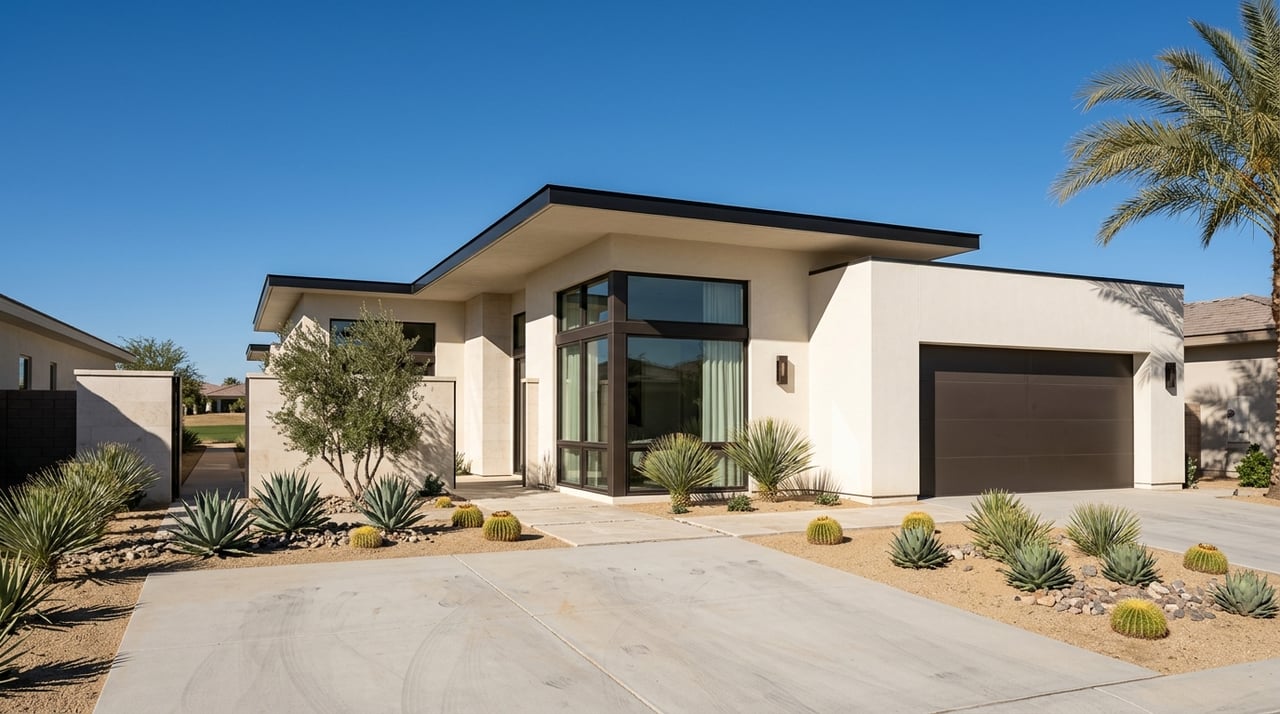
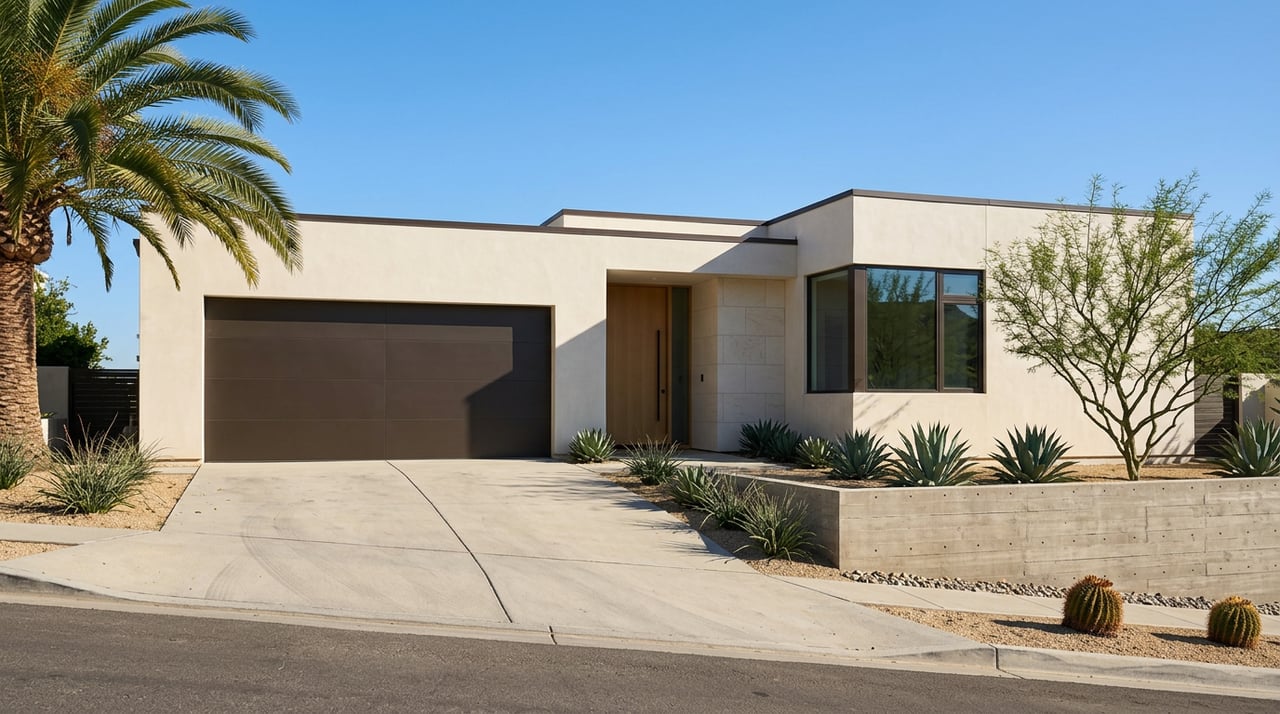
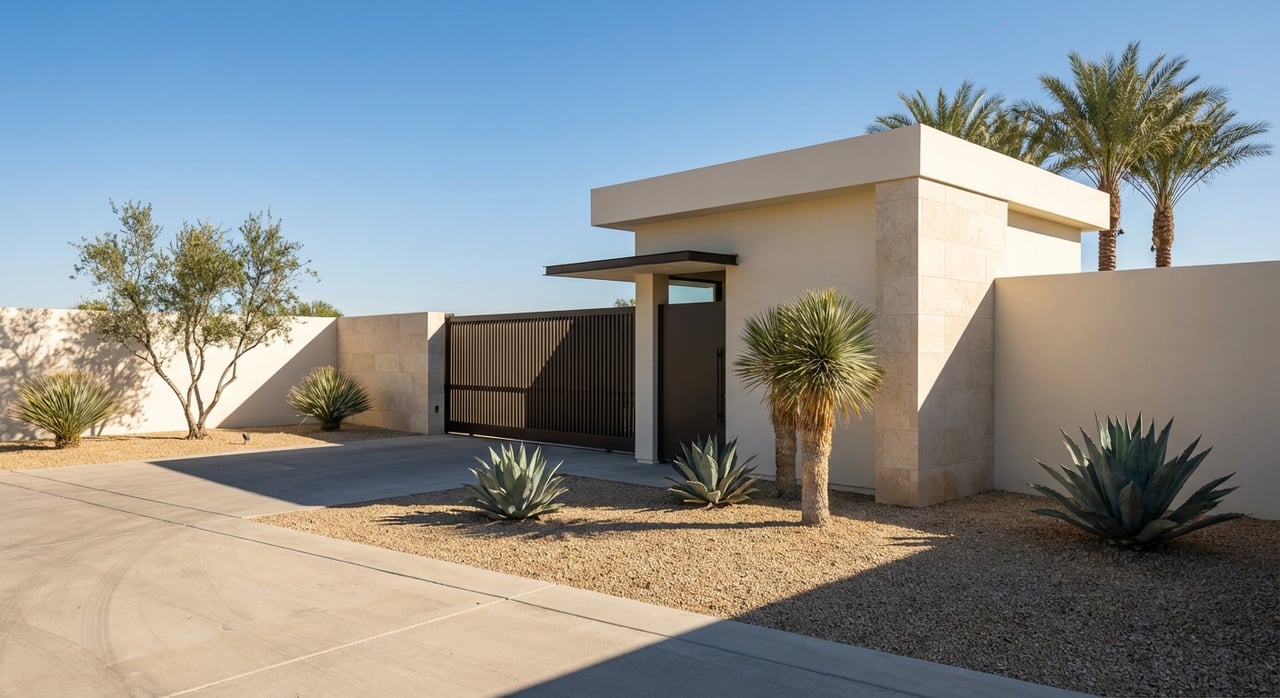
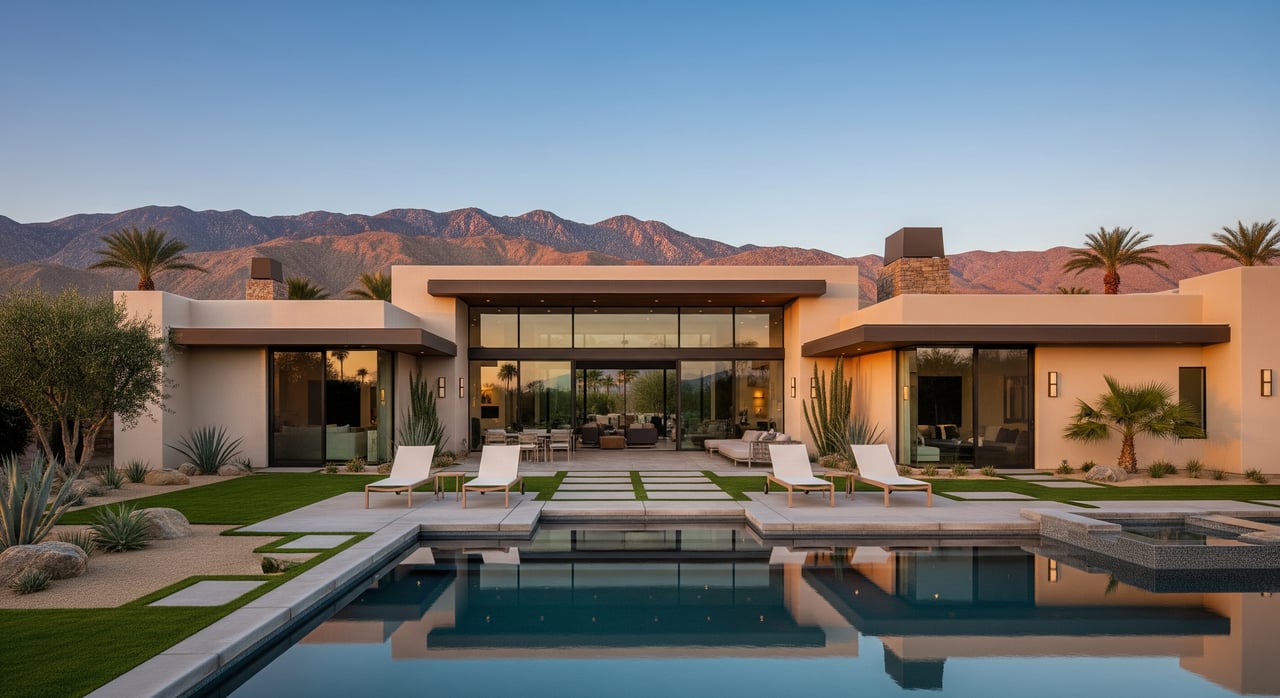
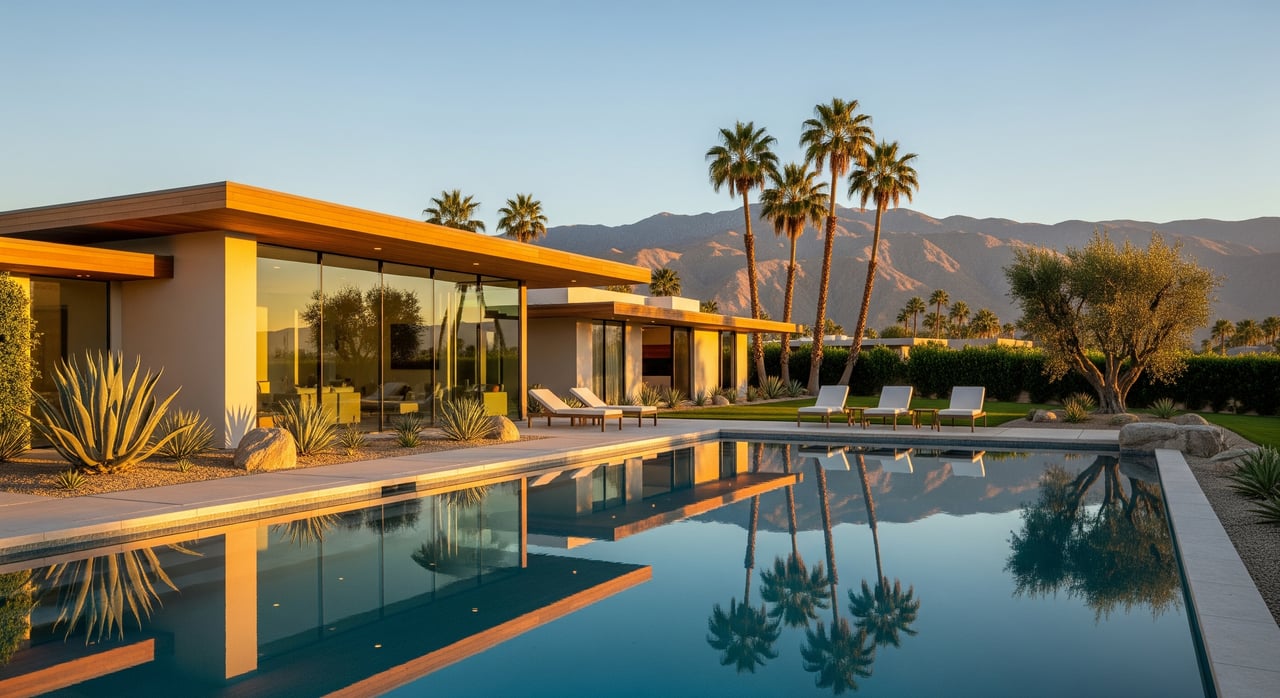
Rancho Mirage’s historic survey places Thunderbird-era housing within the broader Desert Modern movement. In practical terms, that often means features like floor-to-ceiling glass, deep overhangs, flat roofs, flowing interior layouts, and privacy-focused street-facing elevations.
You may also see original materials such as stucco, wood, slumpstone, and natural rock. Some Thunderbird cottages date to around 1952, and some residences date to 1960 and 1961, so original architectural details can still play a meaningful role in a home’s appeal.
What is often worth preserving
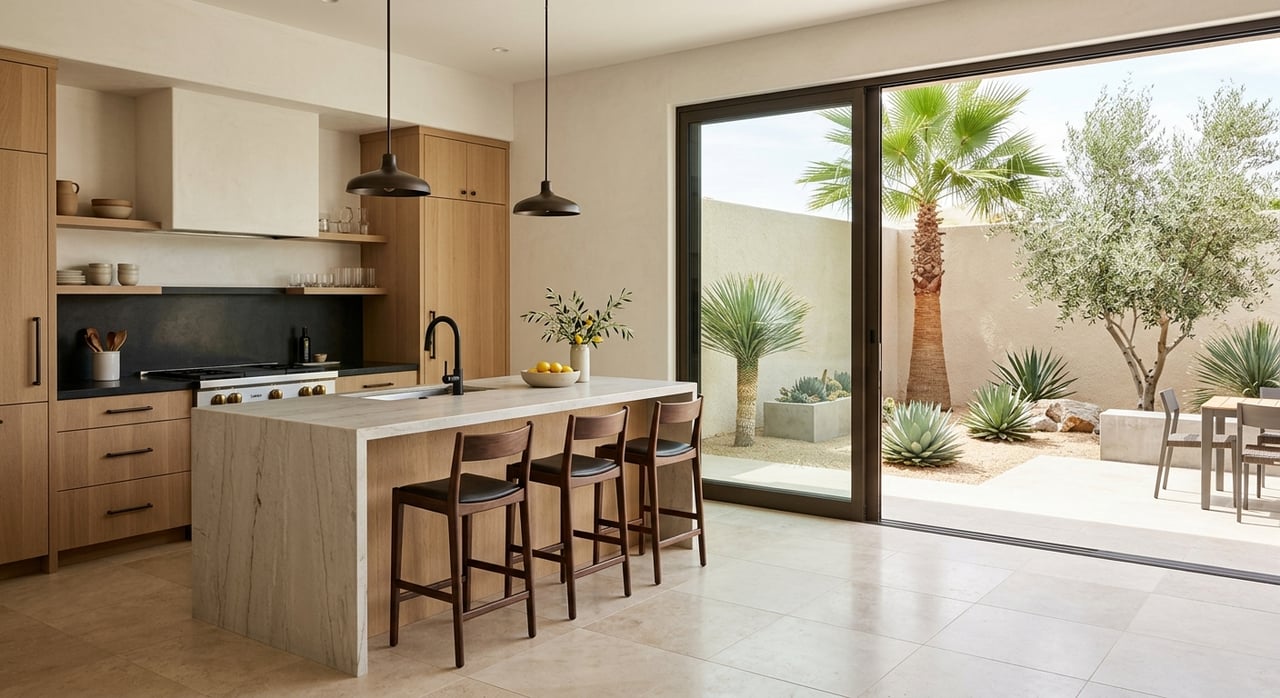
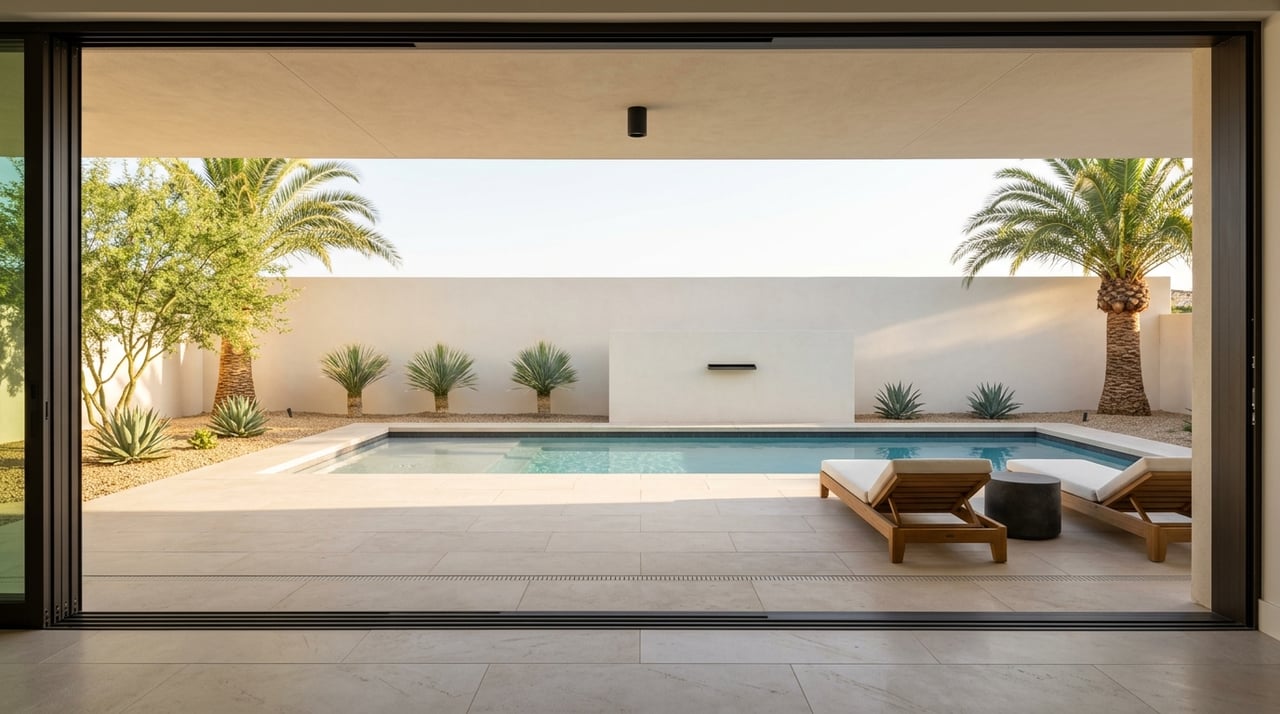
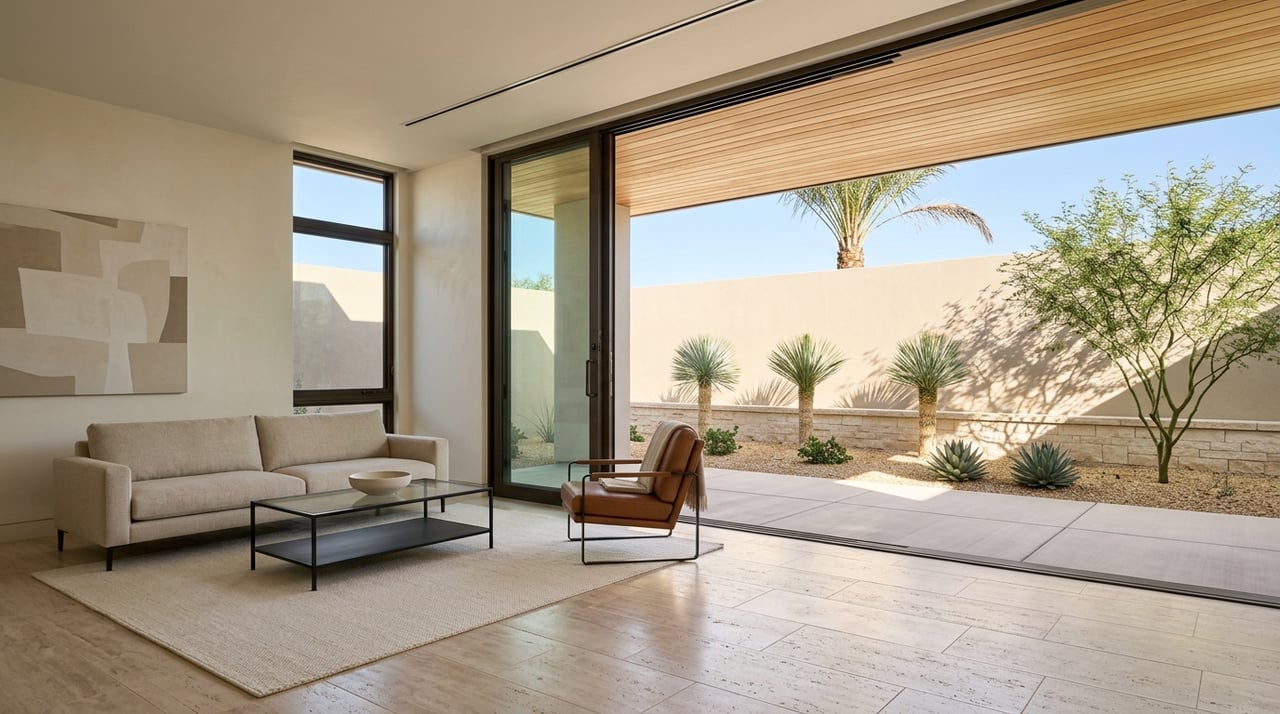
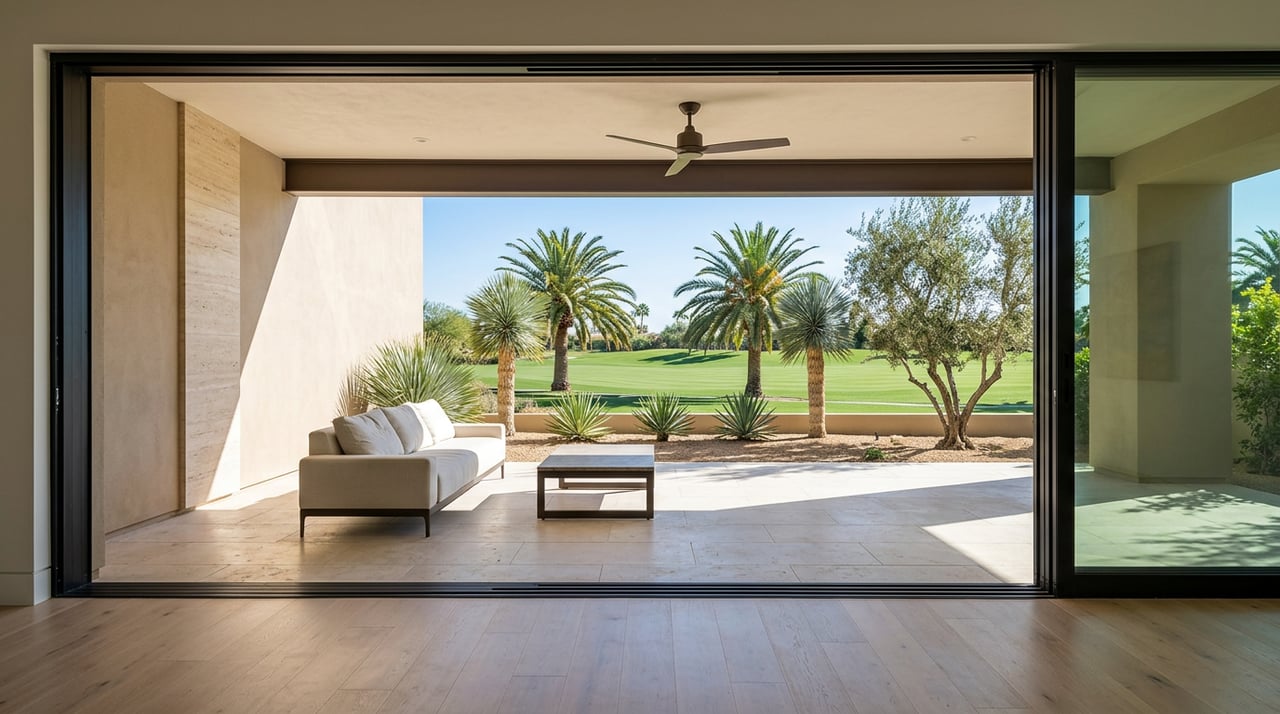
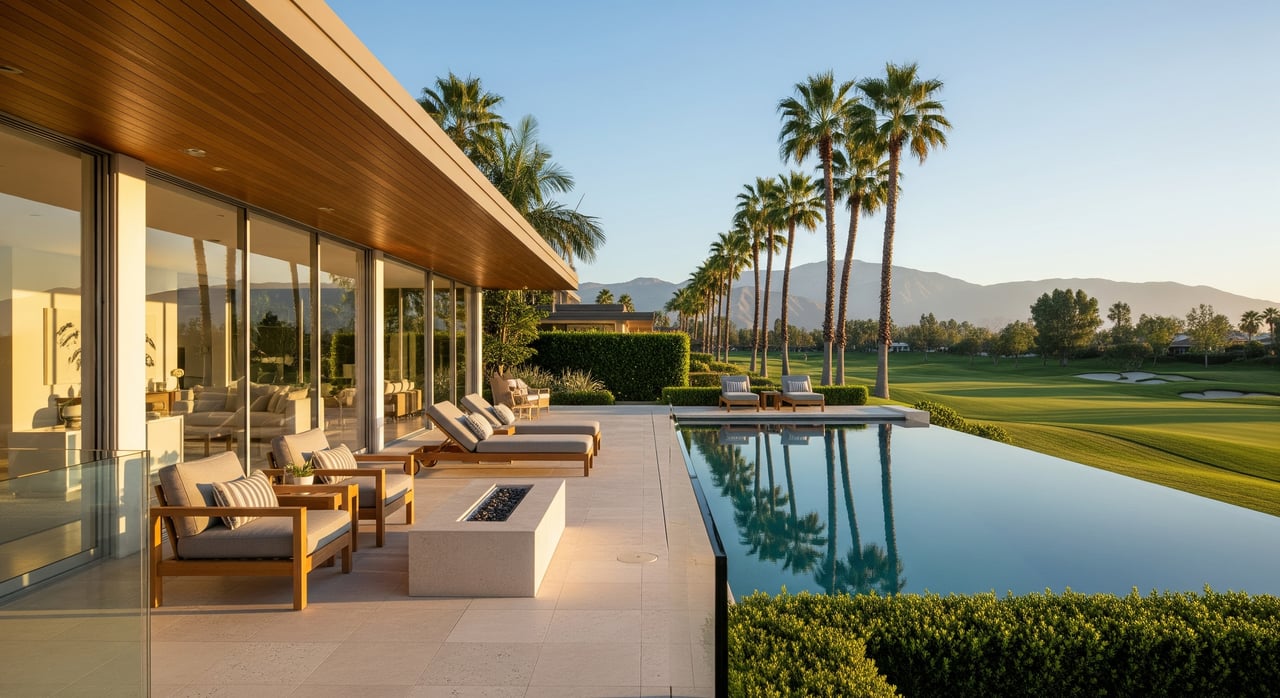
In Thunderbird, the strongest renovations usually keep the home’s core architecture intact. That often includes low rooflines, open view corridors, glass walls, and the indoor-outdoor relationship that defines Desert Modern design.
Local coverage of Thunderbird homes has described early designs here as low-slung ranch houses with walls of glass, shaded porches, beam-and-truss interiors, and strong orientation toward views. When those elements are still present, they are often part of what makes a property stand out.
If you are evaluating a renovation opportunity, it helps to look for a home that still has:
- Simple massing
- Clean rooflines
- Strong connection to the landscape
- Clear indoor-outdoor flow
- Original orientation toward views
A home with that framework may offer more upside than one that has already lost much of its original structure or character.
What buyers usually update first
While the bones of the house may be worth protecting, many functional and cosmetic features often need attention. In this neighborhood, updates commonly focus on the parts of the home that tend to age fastest.
That often includes:
- Kitchens
- Bathrooms
- Flooring
- Lighting
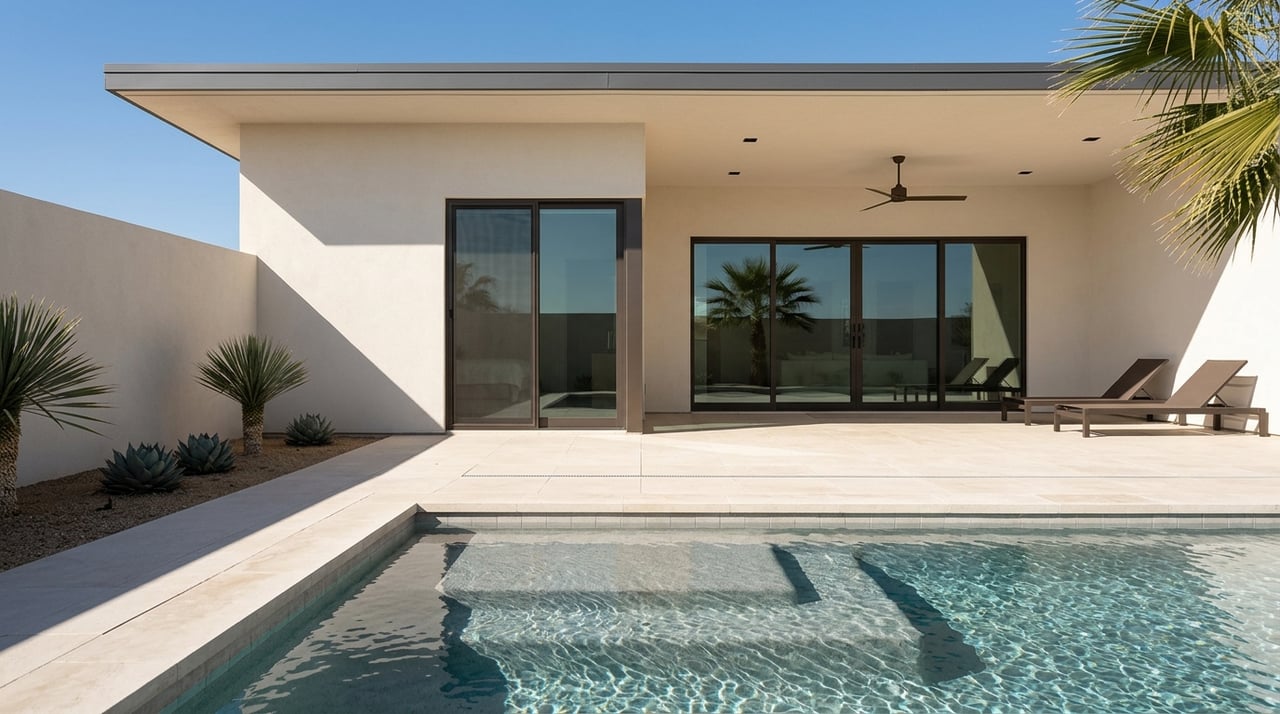
- Pools and spas
- Hardscape and patios
- Landscaping
- Mechanical systems
The most successful remodels are often the ones that improve livability without forcing the home into a style that clashes with its original design. In a neighborhood known for architectural pedigree, restraint can matter.
Modern upgrades that may matter today
Today’s buyers often want more than restored style. They also want efficiency, easier maintenance, and features that fit current use.
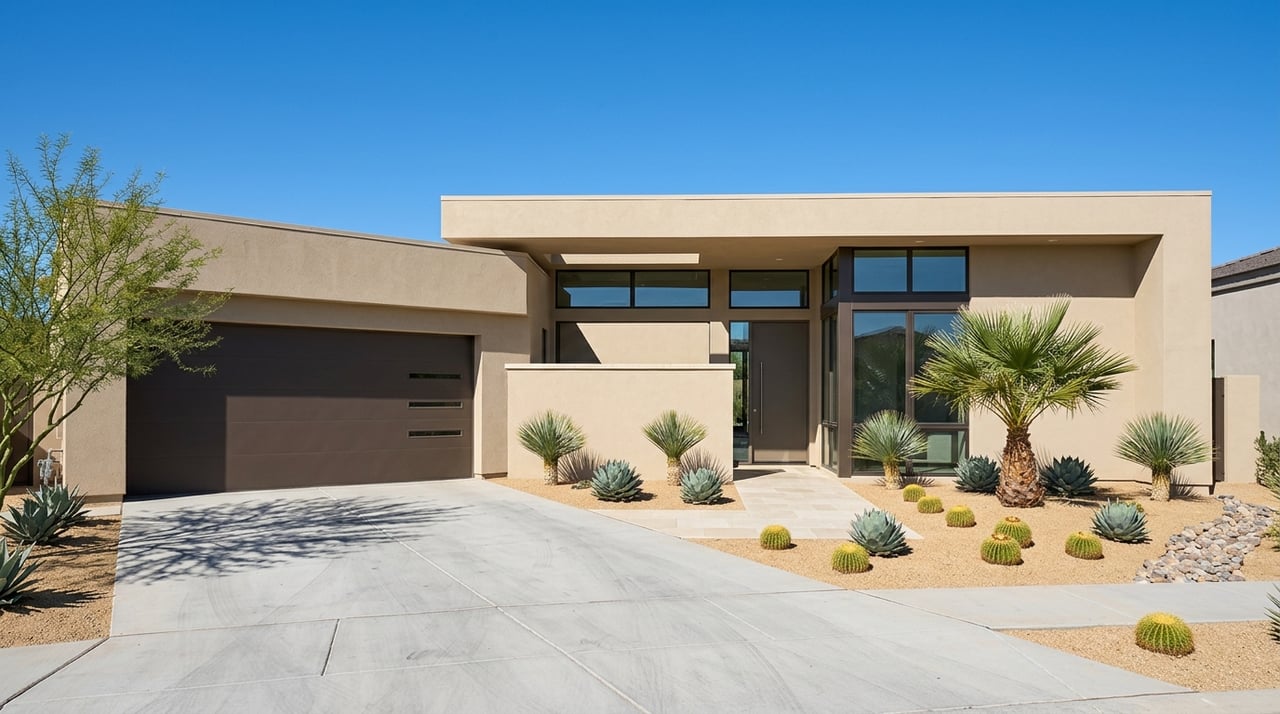
In this part of the desert, that can include low-water landscaping, solar, and EV charging. California law limits HOA restrictions in these areas. HOA rules cannot prohibit low-water plants or artificial turf, and associations are generally restricted from prohibiting rooftop solar on an owner’s roof or adjacent carport, though reasonable rules and safety or roof-maintenance provisions may still apply.
California law also limits HOA restrictions on EV charging stations. That does not mean every installation is automatic, but it does mean these upgrades may be more feasible than some buyers assume.
HOA approval should be part of your timeline
If you are considering a renovation-minded purchase in Thunderbird Country Club Estates, ask for the HOA documents early in escrow. California law requires the seller of a separate interest to provide governing documents and other HOA disclosure items before transfer, and the association must provide requested documents within 10 days after a written request.
You will want to review the recorded CC&Rs, architectural guidelines, and the current HOA disclosure packet as early as possible. These documents can help you understand what kinds of exterior changes may require approval and what standards may apply.
If approval is required before a physical change is made, the association must use a fair, reasonable, and expeditious process. It must make decisions in good faith, issue a written decision, explain a denial, and offer board reconsideration.
That is important because HOA review is not just paperwork. It can affect your design choices, project scope, and renovation timeline.
City permits add another layer
In Rancho Mirage, HOA approval is only part of the picture. The city has its own review and permitting requirements, and even a relatively straightforward remodel can involve multiple steps.
According to the city’s building checklist, plans must be stamped and approved by Planning before they go to Building & Safety. Projects over 500 square feet trigger grading-permit review, and separate permits are required for pools, spas, solar, and block walls over 30 inches in height.
If you are comparing a move-in-ready home with a fixer, this is one of the biggest practical differences. A completed home may reduce the uncertainty around permits and approvals, while a renovation property may require more lead time and coordination before work begins.
Timing matters in Rancho Mirage
Project timing can be especially important in Thunderbird because many owners are seasonal residents. Rancho Mirage has long had a mix of year-round and part-time homeowners, and that can affect how quickly decisions get made, when contractors can access a property, and how easy it is to keep a project moving.
Weather is another major factor. Nearby Palm Springs Regional Airport climate normals show average highs of 103.6 degrees in June, 108.6 degrees in July, and 108.1 degrees in August.
That does not make summer work impossible, but it can make exterior construction, material handling, and landscape installation more difficult. If you split time between residences, it may help to finalize design decisions and approval steps before the hottest months or before leaving town.
Move-in-ready or renovation opportunity?
In Thunderbird Country Club Estates, both paths can make sense. The better option depends on your timeline, appetite for approvals, and how much value you place on tailoring a home to your taste.
A move-in-ready home may be a better fit if you want:
- Less uncertainty around approvals
- Fewer delays before occupancy
- More predictable costs upfront
- A simpler ownership transition
A renovation opportunity may be a better fit if you want:
- A chance to personalize the home
- Original Desert Modern character
- A strong lot orientation or view setting
- The ability to modernize systems and finishes over time
In this neighborhood, the most promising renovation candidates are often the homes that already have the right structure in place. If the home keeps its low profile, indoor-outdoor layout, and strong relationship to the site, updates can often add comfort without losing what makes the property special.
A smart due diligence checklist
Before you close on a renovation candidate, it helps to gather as much documentation as possible. That can give you a clearer picture of what has already been approved, what may need new review, and where costs could emerge later.
A useful checklist for Thunderbird Country Club Estates includes:
- Original CC&Rs
- Current architectural rules
- HOA disclosure packet
- City permit history
- Prior HOA approvals for exterior changes
- Roof condition
- Glazing condition
- Pool and hardscape scope
- Landscape rules
- Records of additions or exterior alterations
These items are especially relevant in a neighborhood shaped by mid-century architecture, HOA oversight, and city review requirements. Good records can save time and reduce surprises.
The bigger renovation takeaway
Renovating in Thunderbird Country Club Estates is often about thoughtful editing, not complete reinvention. Many homes here were built during Rancho Mirage’s key Desert Modern era, and the features that define them are often the same features that continue to attract buyers today.
If you are shopping for a home with renovation potential, focus on the fundamentals first. Architecture, lot orientation, approvals, and timing can matter just as much as finishes.
With the right property, a renovation can preserve the clean lines and indoor-outdoor living that fit Thunderbird so well while bringing the home up to today’s standards. If you want local guidance on evaluating move-in-ready versus renovation opportunities in Rancho Mirage country club communities, connect with Sean Downs.
FAQs
What types of homes are common in Thunderbird Country Club Estates?
- Many homes in Thunderbird date to the mid-century or late mid-century period, with much of the area’s residential build-out occurring from 1951 to 1973.
What architectural features are important in Thunderbird Country Club Estates renovations?
- Key features often include low rooflines, floor-to-ceiling glass, deep overhangs, open view corridors, and strong indoor-outdoor flow tied to Desert Modern design.
What upgrades are most common in Thunderbird Country Club Estates homes?
- Common updates include kitchens, bathrooms, flooring, lighting, landscaping, pools, hardscape, and mechanical systems.
What HOA documents should you review before renovating in Thunderbird Country Club Estates?
- You should review the recorded CC&Rs, architectural guidelines, current HOA disclosure packet, and any prior HOA approvals tied to the property.
What permits may be required for a Rancho Mirage renovation project?
- Depending on scope, permits may be required for remodeling work, pools, spas, solar, block walls over 30 inches, and projects over 500 square feet that trigger grading review.
When is the best time to plan exterior renovation work in Rancho Mirage?
- Many owners benefit from completing design decisions and approvals before the hottest summer months, when exterior work and landscape installation can be more difficult.