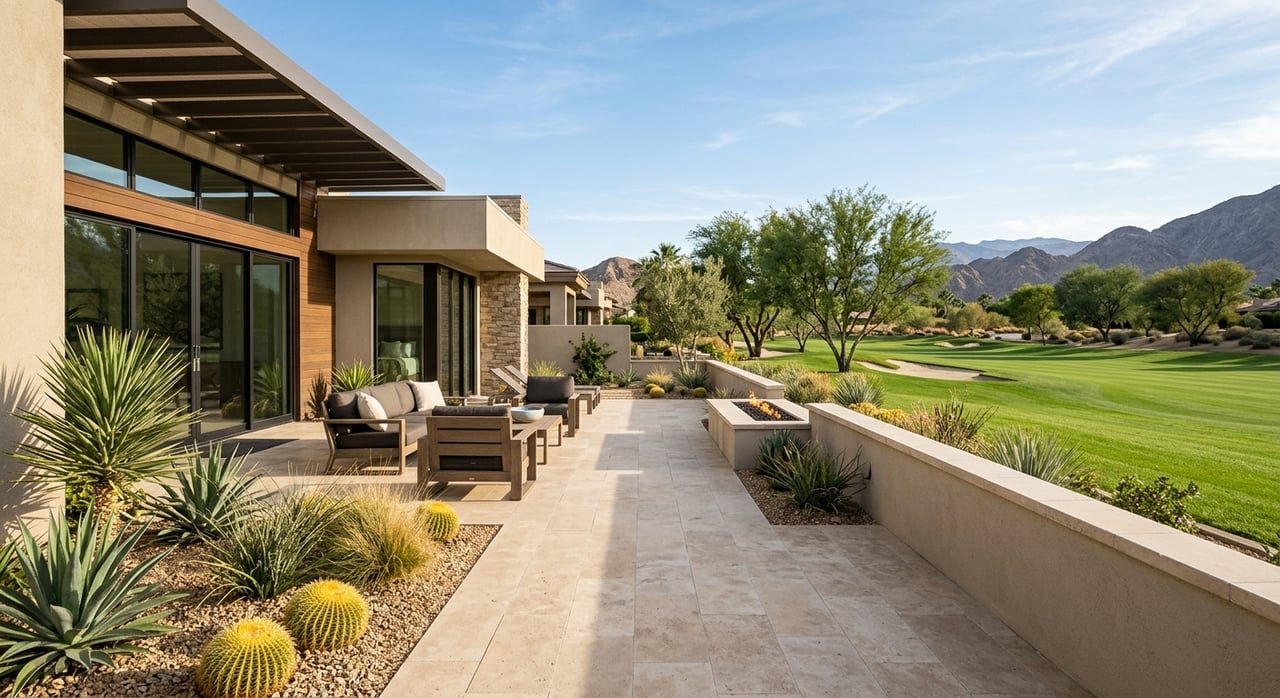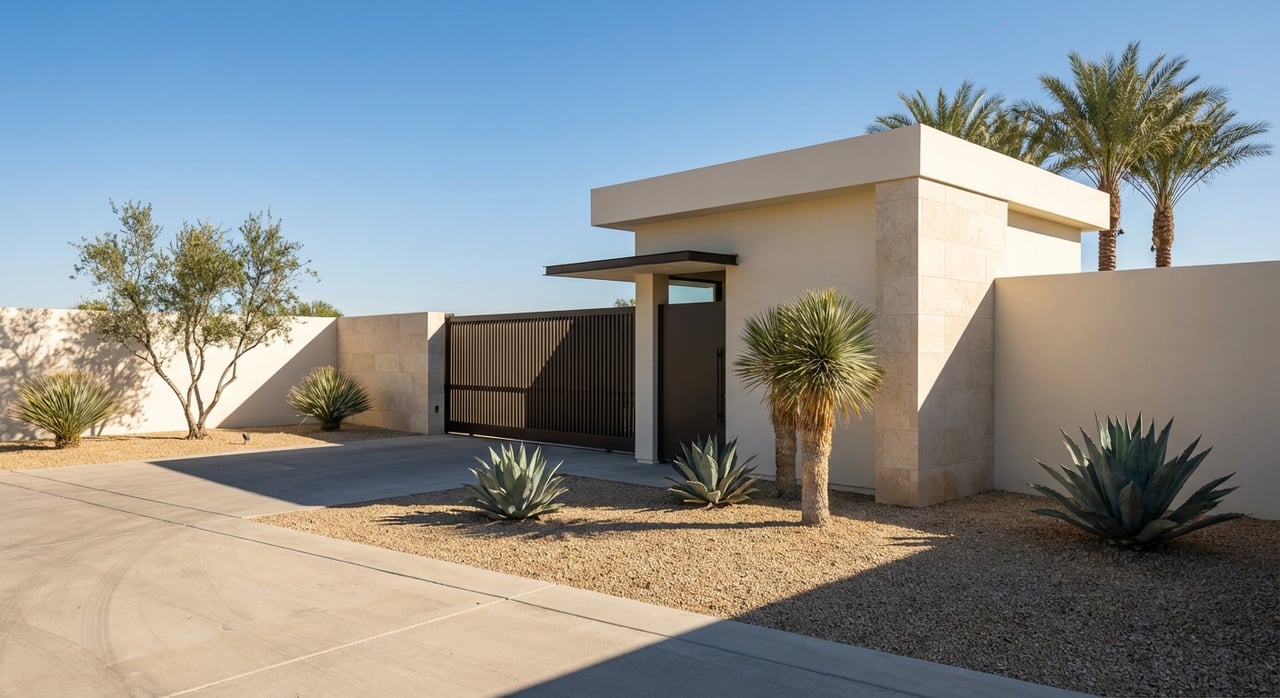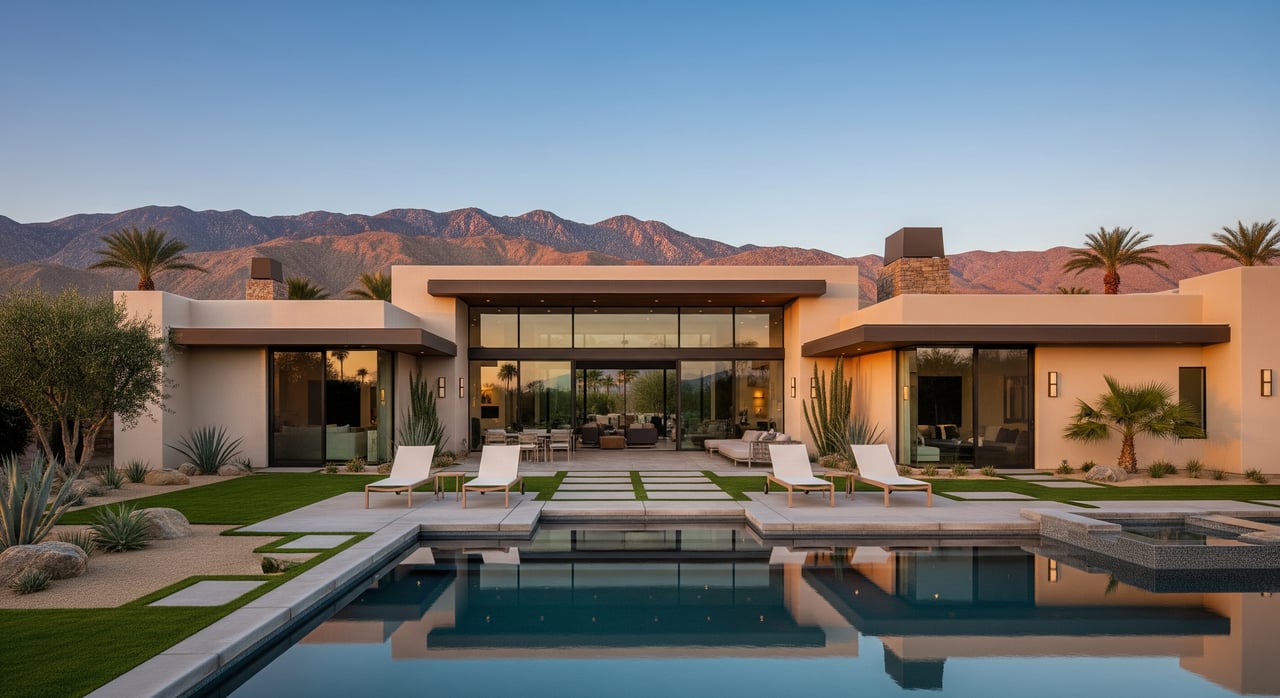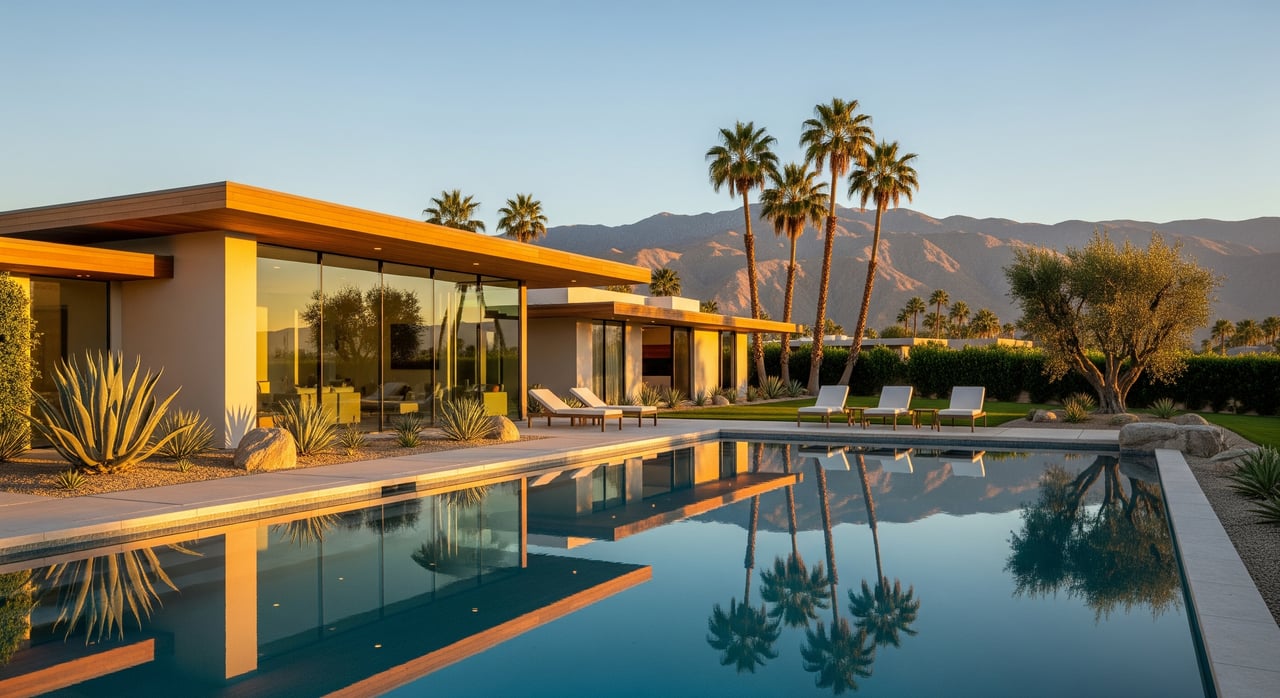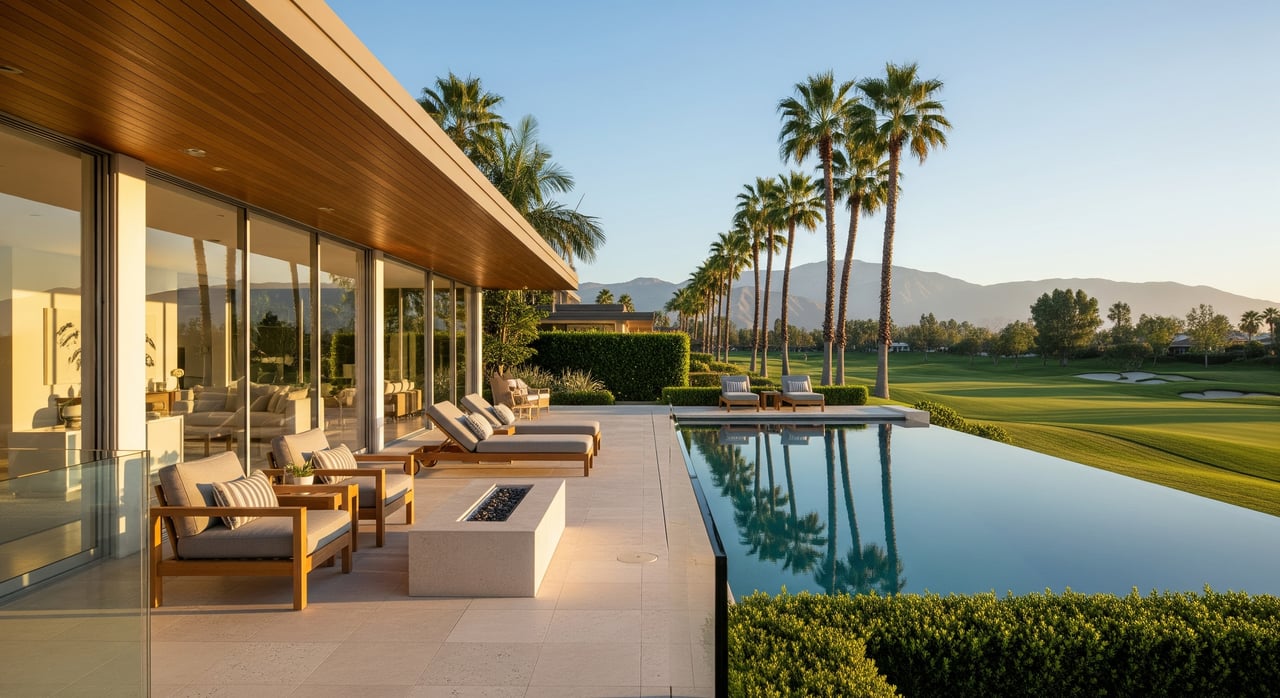
If you are deciding between a gated home and a non-gated home in Rancho Mirage, the right answer usually comes down to how you want to live day to day. Some buyers want controlled entry, shared amenities, and a more structured ownership experience. Others want fewer recurring obligations, more flexibility, and a direct connection to the neighborhood around them. This guide breaks down the real differences so you can compare both options with confidence. Let’s dive in.
Why Rancho Mirage Feels Different
Rancho Mirage is shaped in a very specific way by gated and walled communities. According to the city’s General Plan, many of the larger gated communities include private security, while residents outside those gates rely more on city services, local parks, and neighborhood-based programs.
That same city document also offers an important reality check. It notes that private security in gated communities does not necessarily create a measurable reduction in crime. For you as a buyer, that means the gated versus non-gated decision should be viewed as a lifestyle and management choice, not a simple yes-or-no security answer.
Gated Living: What You Get
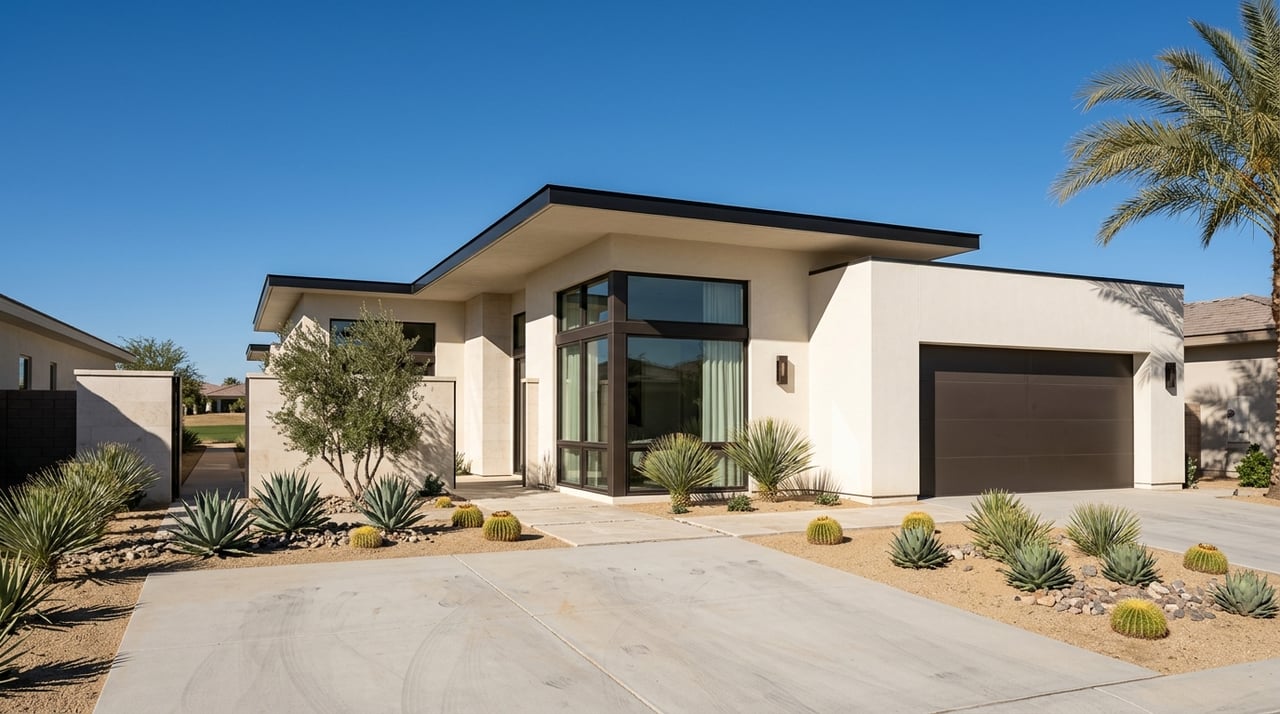
In Rancho Mirage, gated living often means controlled access, on-site or patrol-based security, and shared amenities managed through an HOA. It can create a more contained environment, especially in country-club or resort-style communities where upkeep and common spaces are part of the appeal.
A clear local example is The Springs, which features 24/7 controlled gate access, continuous patrols, and 24-hour home alarm monitoring. The community also includes shared pools and spas, club facilities, and broader common-area maintenance.
For many buyers, the practical benefit is convenience. If you want a home where exterior upkeep, common amenities, and community systems are already organized, gated living can feel more turnkey.
Daily life inside the gates
Living in a gated community often changes the small rhythms of your day. Guests may need to be called in, vendors may have access procedures, and entry points are more controlled than in a traditional neighborhood.
Some buyers love that structure because it feels orderly and easy to manage. Others find it adds friction, especially if they frequently host family, service providers, or short-notice visitors.
HOA dues often buy more than security
One of the biggest misconceptions about gated living is that HOA fees are only about the gate. In Rancho Mirage, dues can cover a wide range of services depending on the community.
The Springs offers one of the clearest examples. Its 2025-26 HOA information sheet lists a $1,826 monthly fee, made up of a $1,340 base assessment, a $67 cable assessment, and a $419 social-club assessment. Those dues are tied to exterior painting, roof maintenance, 46 common pools and spas, landscaping, controlled gate access, alarm monitoring, pest control, structure insurance, and reserves. Golf dues are separate.
That matters because the true question is not just, “How much is the HOA?” The better question is, “What does the HOA actually include?” In Rancho Mirage, the answer can range from basic community maintenance to a much more bundled lifestyle package.
Non-Gated Living: What Changes
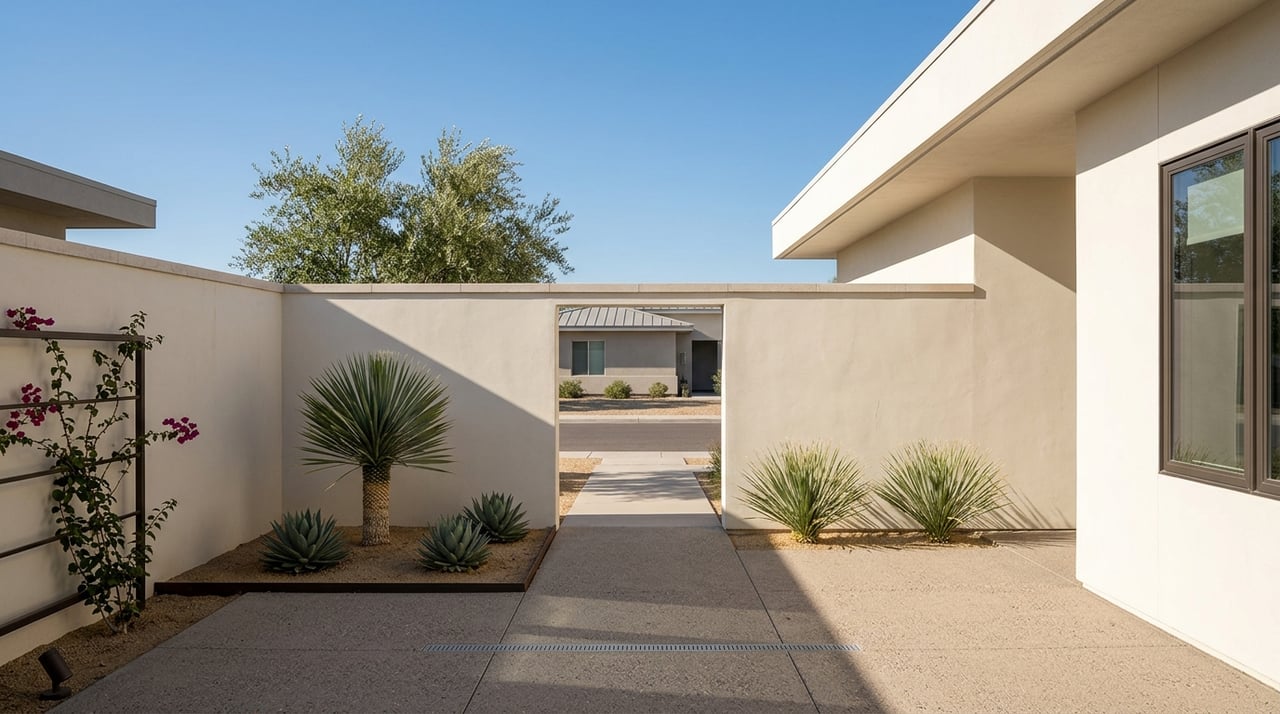
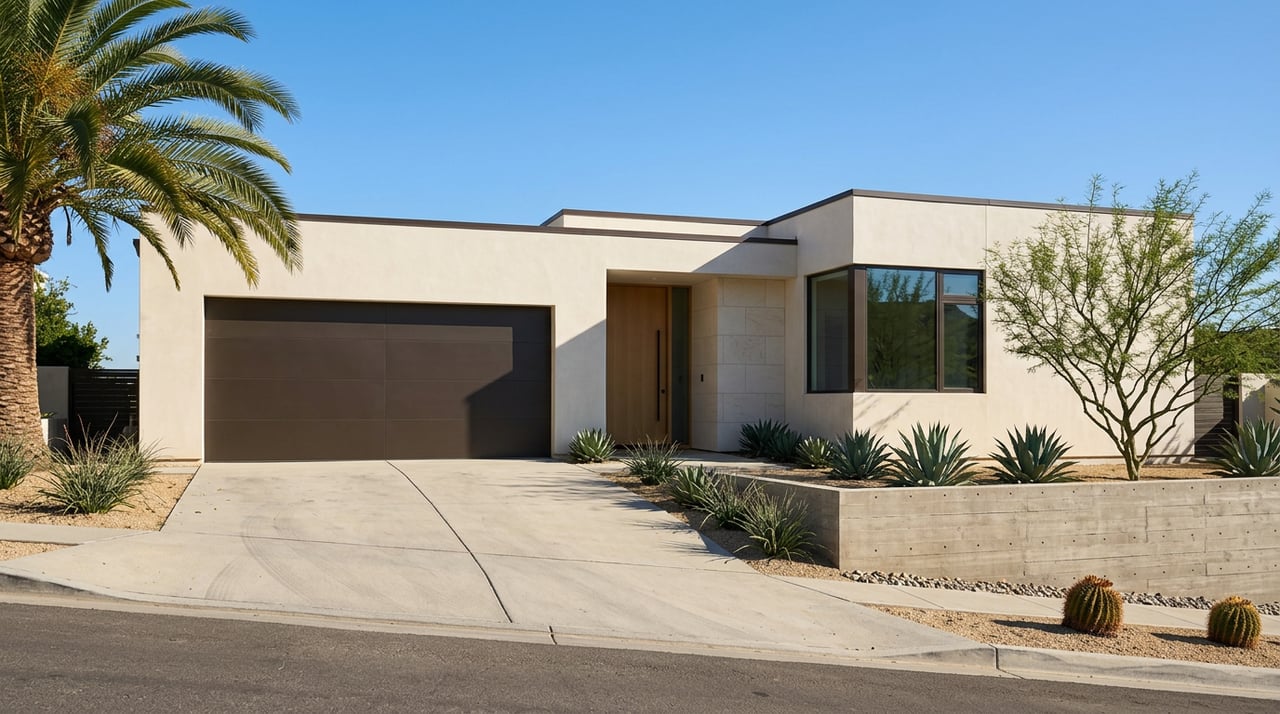
Non-gated living in Rancho Mirage usually means fewer layers between you and the street, along with more independence in how you manage your property. You may have no HOA at all, or a lighter association structure depending on the neighborhood.
That option still exists in Rancho Mirage. Redfin’s no-HOA search snapshot currently shows homes that match a no-HOA search, which is a useful sign that buyers can still find properties with fewer recurring community obligations.
For some owners, that flexibility is the main draw. You may have fewer rules, fewer monthly fees, and more freedom in how you use and maintain your home, while still benefiting from citywide services and programs.
City services still matter outside gates
If you buy outside a gated community, you are not on your own. The city’s General Plan explains that police service is provided by the Riverside County Sheriff, with support from citywide COPS and Neighborhood Watch programs.
The same plan also treats local parks as important amenities for residents outside gated communities. That reinforces the idea that non-gated living in Rancho Mirage is not simply the absence of gates. It is a different ownership model with different public and neighborhood resources.
HOA Costs: Heavy, Light, or None
The cost gap between gated and non-gated living can be significant, but not all gated communities are built the same. Some are full-service country-club environments, while others operate more like smaller residential enclaves.
Thunderbird Terrace is a good example of a lighter-fee gated option. Current listings have shown association fees around $600 monthly and in another case around $722 to $750 monthly, with guard-gated access and items that can include cable TV, trash, and security. The community’s HOA describes it as a 55-home residential community with common areas, which helps explain why the fee structure reads differently from a larger club-focused community.
Here is the practical takeaway:
| Community style | Typical value proposition |
|---|---|
| Full-service gated club | Higher dues tied to amenities, maintenance, security, and social access |
| Smaller gated enclave | Moderate dues tied to gate access and selected common services |
| Non-gated or no HOA | Lower recurring obligations, but more owner responsibility |
When you compare homes, try to weigh monthly cost against monthly convenience. A higher fee is not automatically too much if it replaces expenses and responsibilities you would otherwise handle yourself.
Amenities and Lifestyle Tradeoffs
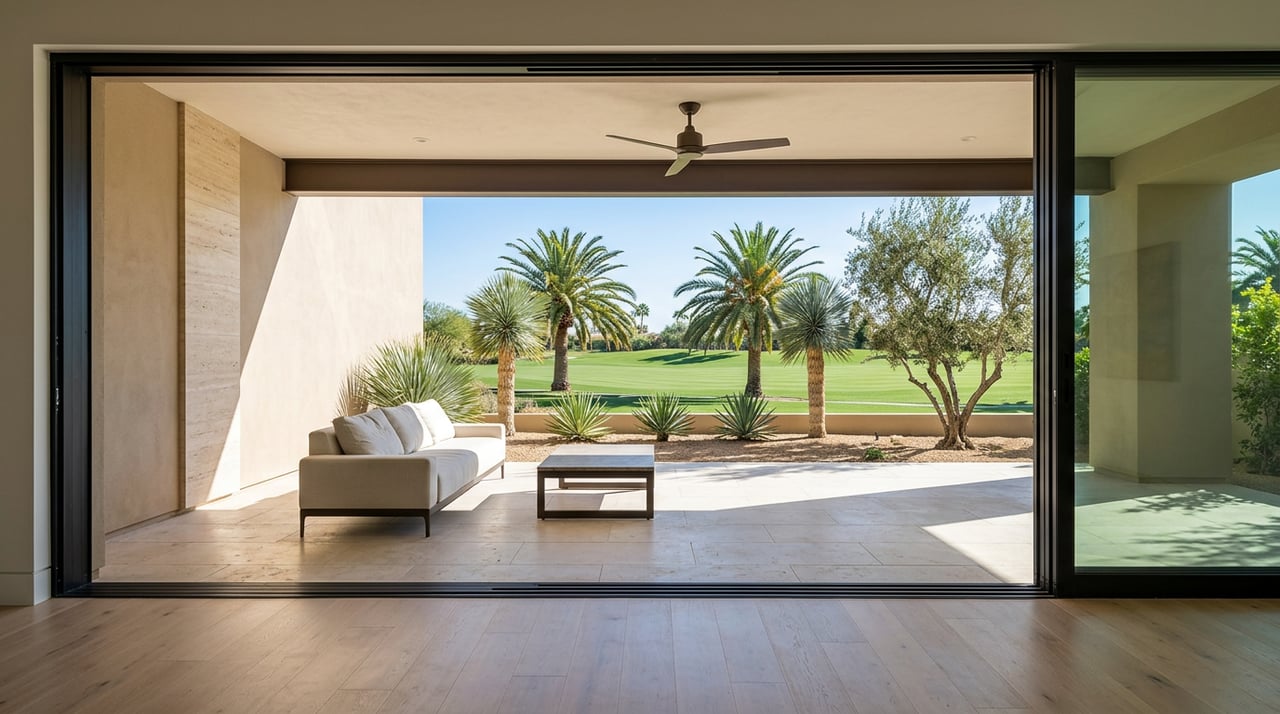
In Rancho Mirage, many gated communities are built around amenity-rich living. If you are drawn to golf, racquet sports, club dining, and shared recreation, these neighborhoods can offer a very different experience from a non-gated home.
For example, Mission Hills Country Club says the club offers three championship golf courses, while its racquet facilities include 49 courts and 20 pickleball courts. Rancho Las Palmas is noted in the research as offering an 18-hole resort golf course, a 6-hole express course, 20 tennis courts, and 20 pickleball courts.
These kinds of features can help explain why some buyers are happy to accept higher dues or club-related costs. You are not just buying a home. You may be buying easier access to recreation, social programming, and a more lock-and-leave ownership style.
Not every gated buyer is seasonal
It is easy to assume gated communities are only for part-time residents, but that is not always true. The Springs notes in its FAQ page that about 40% of homeowners live there year-round.
That makes an important point for buyers comparing options. A gated community can work for seasonal ownership, but it can also suit full-time living if you value managed amenities, organized services, and a more structured residential environment.
Rentals: Gates Do Not Change the Rules
If you are thinking about using a home as a short-term rental, Rancho Mirage has a very clear citywide rule. The city’s zoning code defines a short-term rental as a dwelling rented for 27 consecutive calendar days or less and prohibits short-term rentals in every zone.
The code also states that advertising or offering the property as a short-term rental is already a violation, and administrative citations may be issued for each day the violation continues. Ordinance No. 1225, adopted September 4, 2025, updated the penalty language.
For buyers comparing gated and non-gated homes, the key takeaway is simple: gate status does not create a city Airbnb workaround. Community rules may be stricter, but they cannot override the citywide ban.
The Springs reflects that same approach. Its community FAQ states that short-term rentals are not allowed and rentals must be at least 30 days.
Resale: Who Usually Prefers Each Option?
From a resale standpoint, gated and non-gated homes often appeal to different buyer priorities. In Rancho Mirage, gated homes with strong amenities often attract buyers looking for convenience, shared recreation, and a more managed ownership experience.
Non-gated or no-HOA homes often appeal to buyers who want more autonomy, fewer rules, and lower recurring obligations. The current no-HOA market snapshot supports that this segment still exists locally, even though it offers a different value proposition and fewer shared services.
That does not make one category better than the other. It simply means your future resale audience may look different depending on the type of home you choose.
How to Choose the Better Fit
If you are trying to narrow it down, start with your actual lifestyle instead of the gate itself. Ask yourself:
- Do you want shared amenities you will use regularly?
- Are you comfortable paying monthly dues for convenience and maintenance?
- Do you prefer a more structured environment with controlled access?
- Would you rather have more autonomy and fewer recurring fees?
- Are you buying for full-time living, seasonal use, or a longer-term hold?
In Rancho Mirage, the smartest decision usually comes from matching the home to your routines, not from assuming one format is universally better.
Whether you are drawn to a country-club setting or a more independent no-HOA property, local knowledge matters because the details vary greatly from one Rancho Mirage community to the next. If you want help comparing neighborhoods, fees, amenities, and resale considerations, connect with Sean Downs for thoughtful, hyper-local guidance tailored to how you want to live.
FAQs
What does gated living in Rancho Mirage usually include?
- Gated living in Rancho Mirage often includes controlled entry, some level of security or patrol service, and HOA-managed common amenities such as landscaping, pools, and community facilities.
Are gated communities in Rancho Mirage always safer?
- No. Rancho Mirage’s General Plan notes that private security in gated communities does not necessarily produce a measurable reduction in crime.
Are there no-HOA homes in Rancho Mirage?
- Yes. Current market snapshots show that Rancho Mirage still has a no-HOA segment, giving buyers an option with fewer recurring community obligations.
Can you do short-term rentals in gated Rancho Mirage communities?
- No. Rancho Mirage prohibits short-term rentals citywide for stays of 27 consecutive calendar days or less, so gates do not create an exception.
Why are HOA fees so different across Rancho Mirage communities?
- HOA fees vary because some communities cover basic gate and maintenance functions, while others bundle broader services such as exterior maintenance, cable, pools, club access, insurance components, and reserves.
Is a gated or non-gated Rancho Mirage home better for resale?
- It depends on the buyer profile. Gated homes often attract buyers seeking convenience and amenities, while non-gated homes often appeal to buyers who want more autonomy and lower recurring costs.