Thinking about a home around Thunderbird Country Club Estates but wondering what daily life actually feels like? You want a place where mornings start easy, errands are close, and your social calendar is as full as you want it to be. This guide walks you through the everyday rhythm of country‑club living, golf‑cart practicality, dining and wellness options, membership basics, and smart buying checks. You’ll come away with a clear sense of lifestyle fit and the key questions to confirm before you buy. Let’s dive in.
What daily life feels like
Life here leans relaxed, active, and social. Your day might start with coffee on the patio, a fitness class, or a quick range session before work or play. Midday often means lunch at the club or a nearby café, then pool time, pickleball, or a short walk. Evenings are for sunset views, casual dinners, and member events or local arts.
Most residents prioritize convenience and connection. You’ll see neighbors out early, plan around seasonal temperatures, and build a routine around club amenities and nearby services. The community atmosphere favors privacy with easy access to activity when you want it.
Homes and neighborhood style
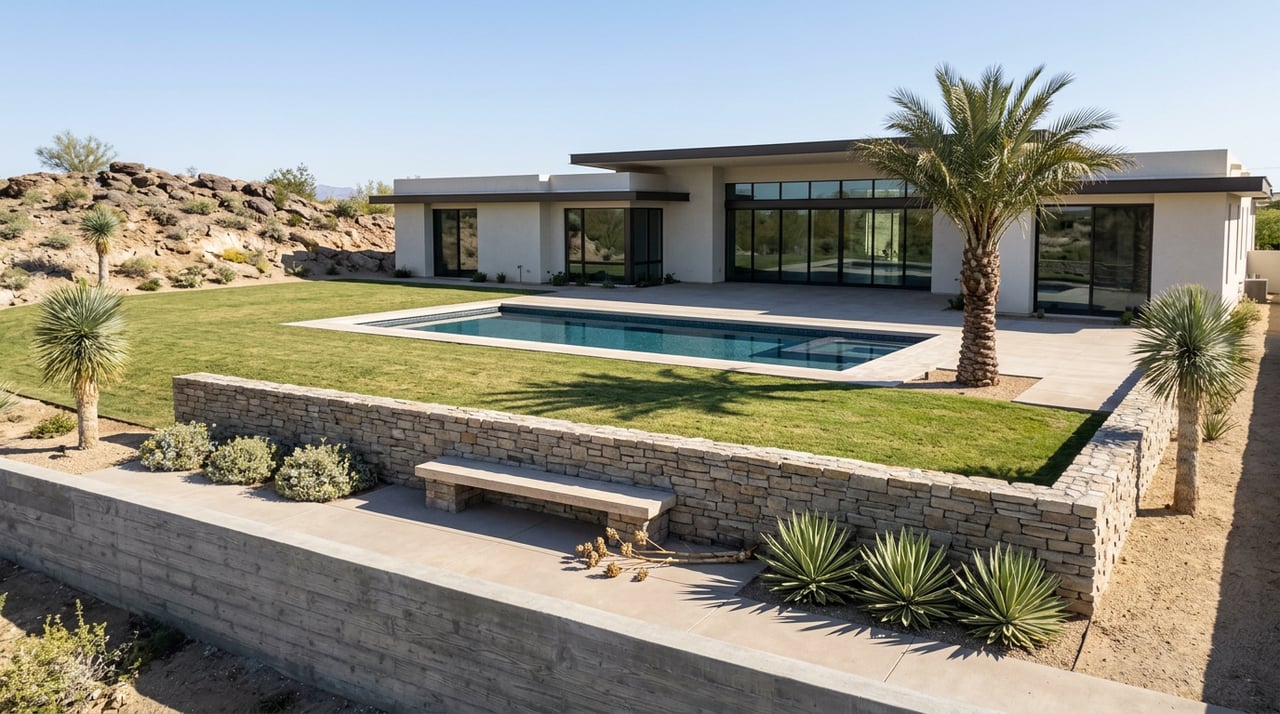
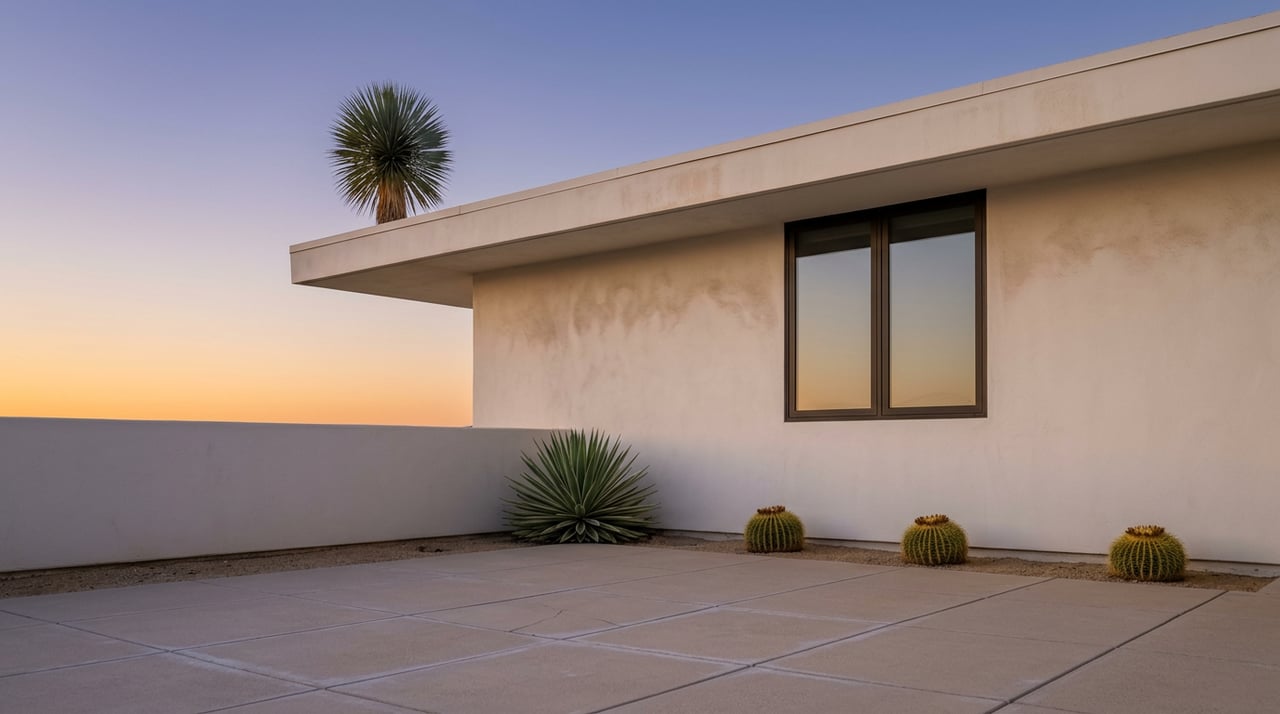
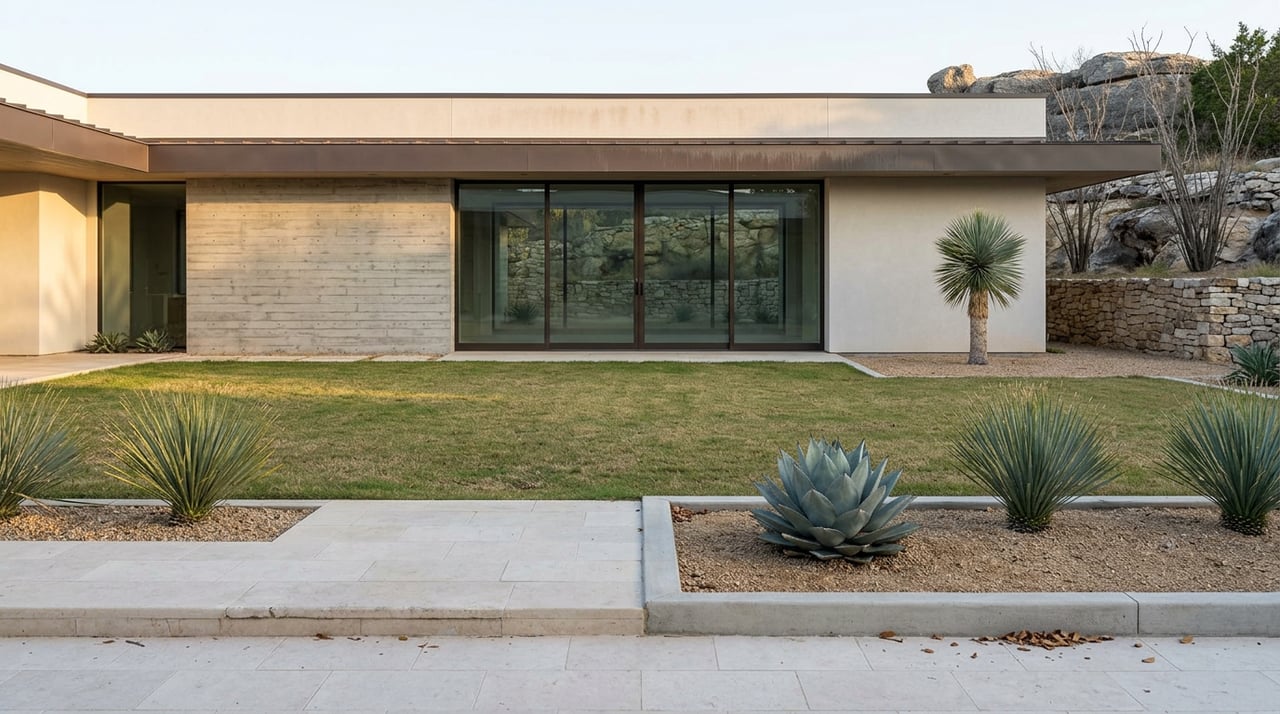
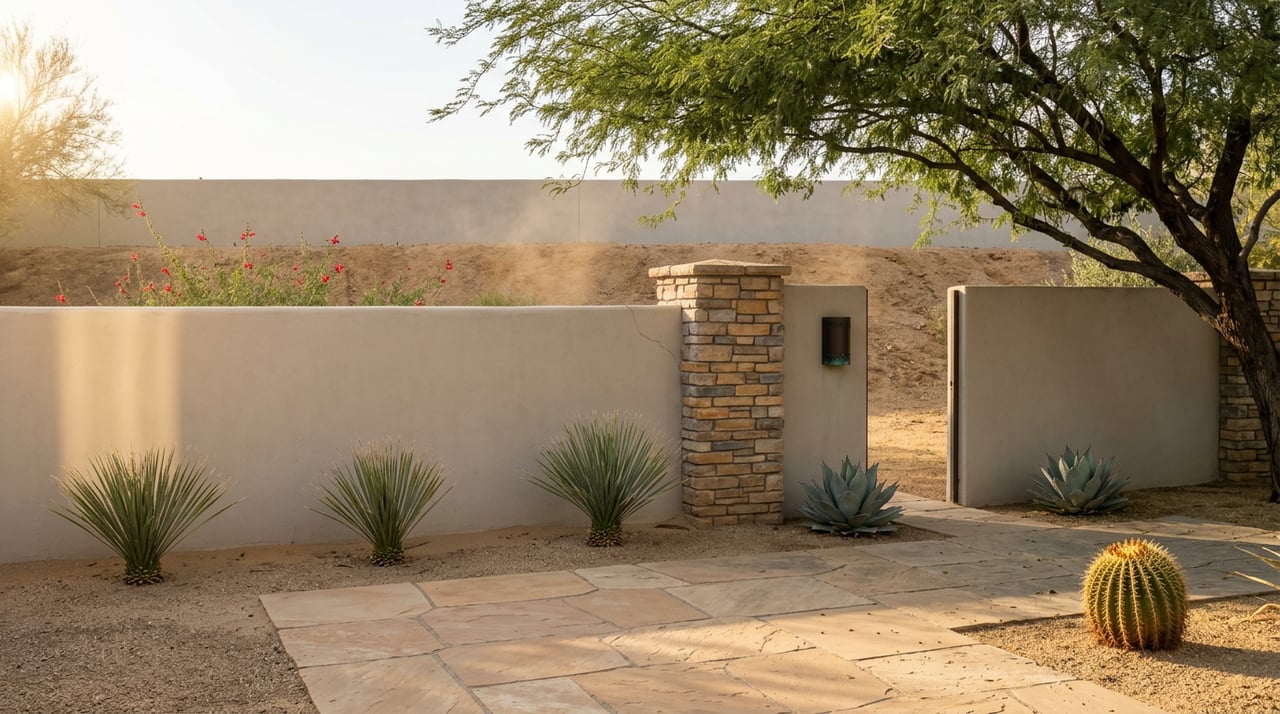
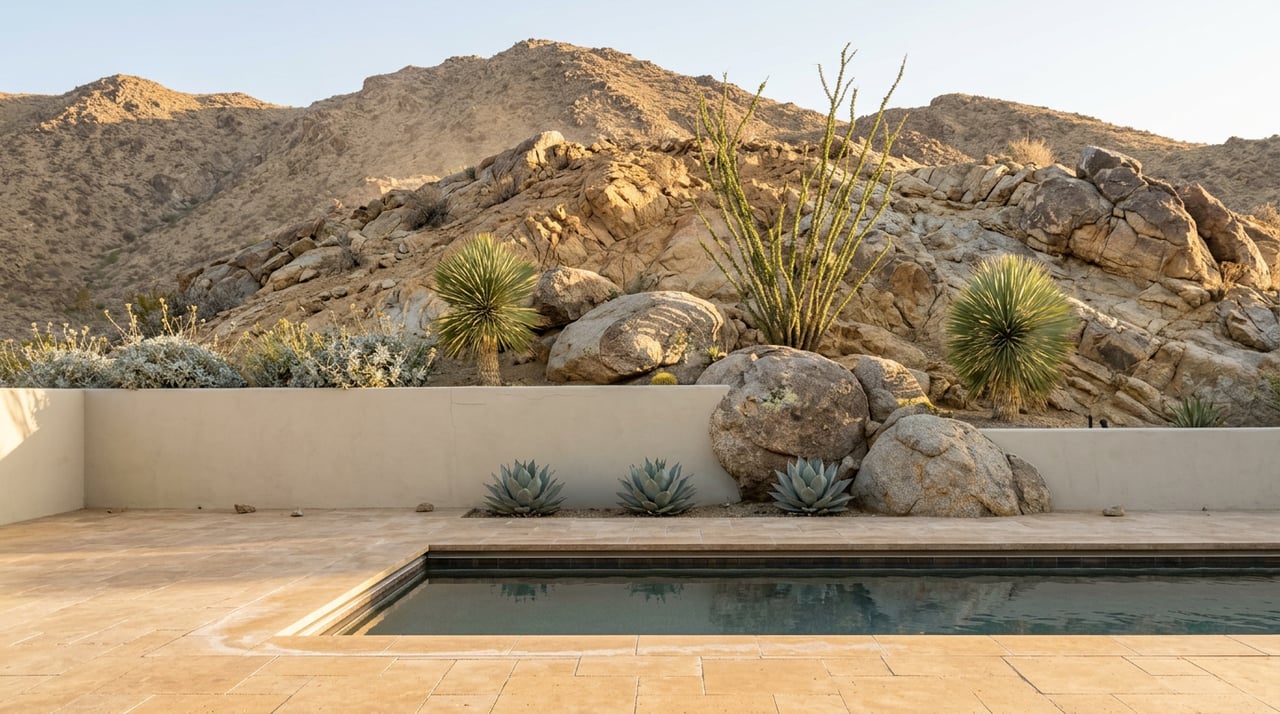
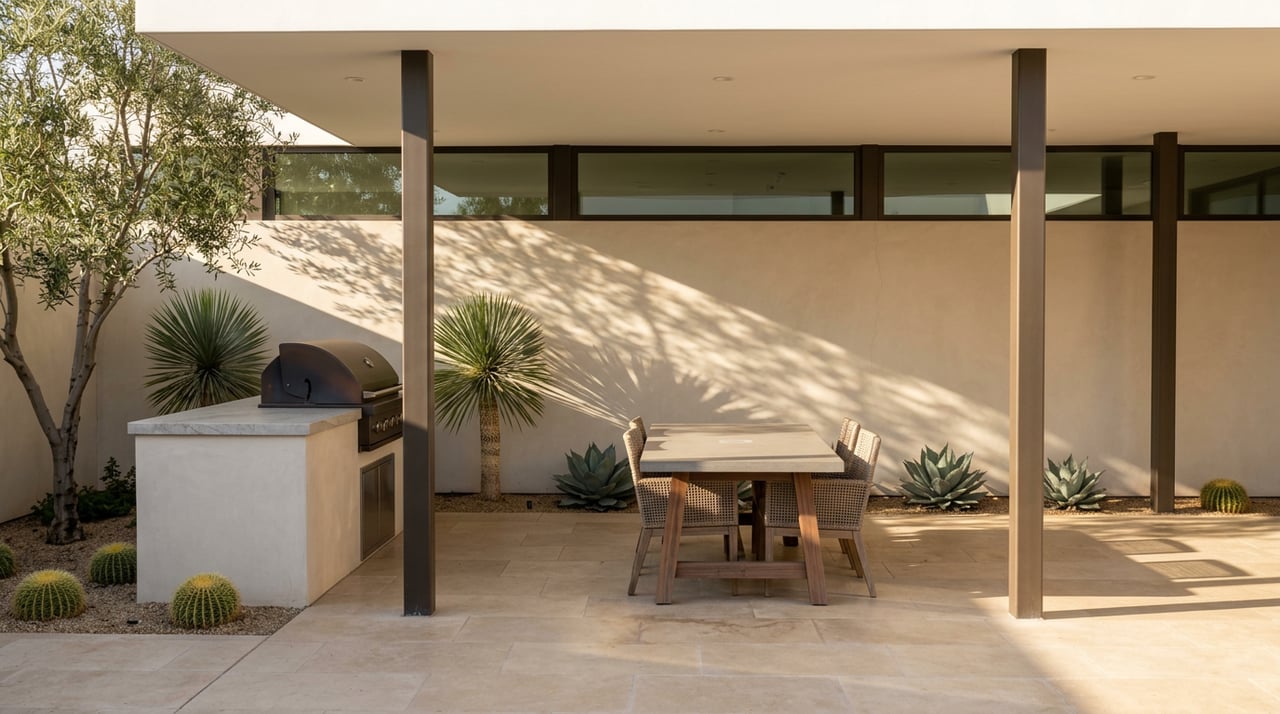
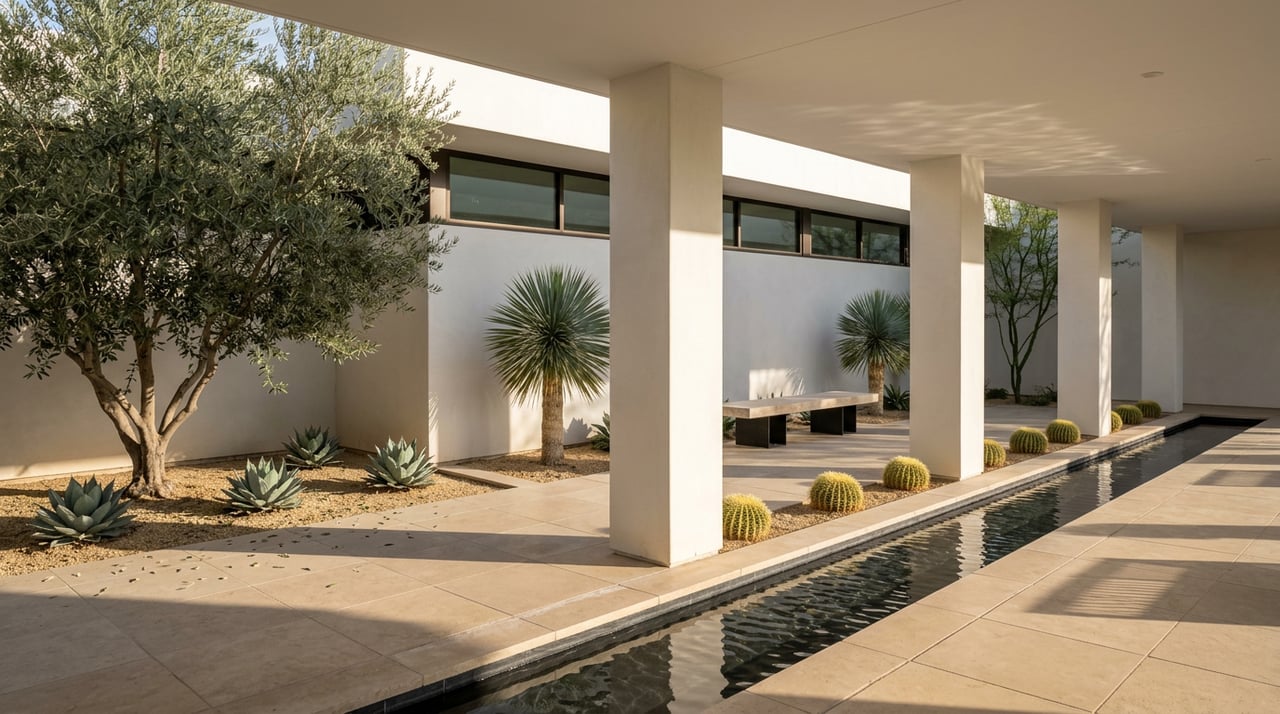
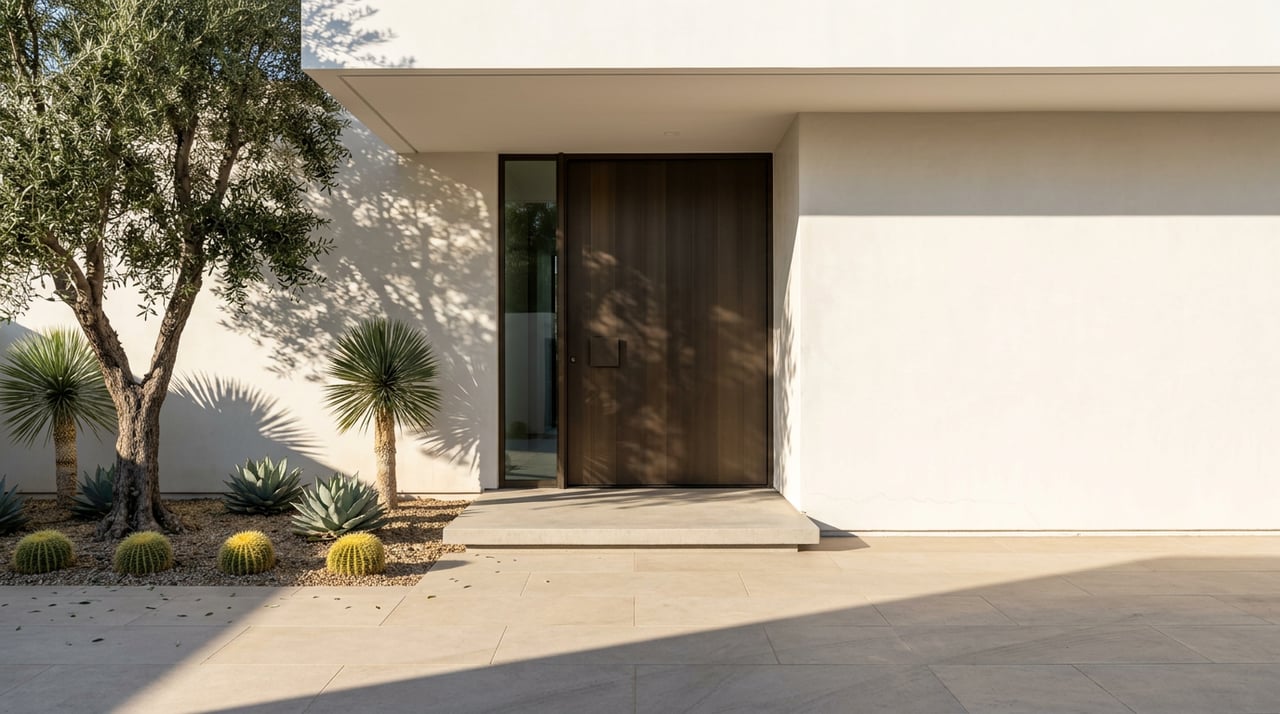
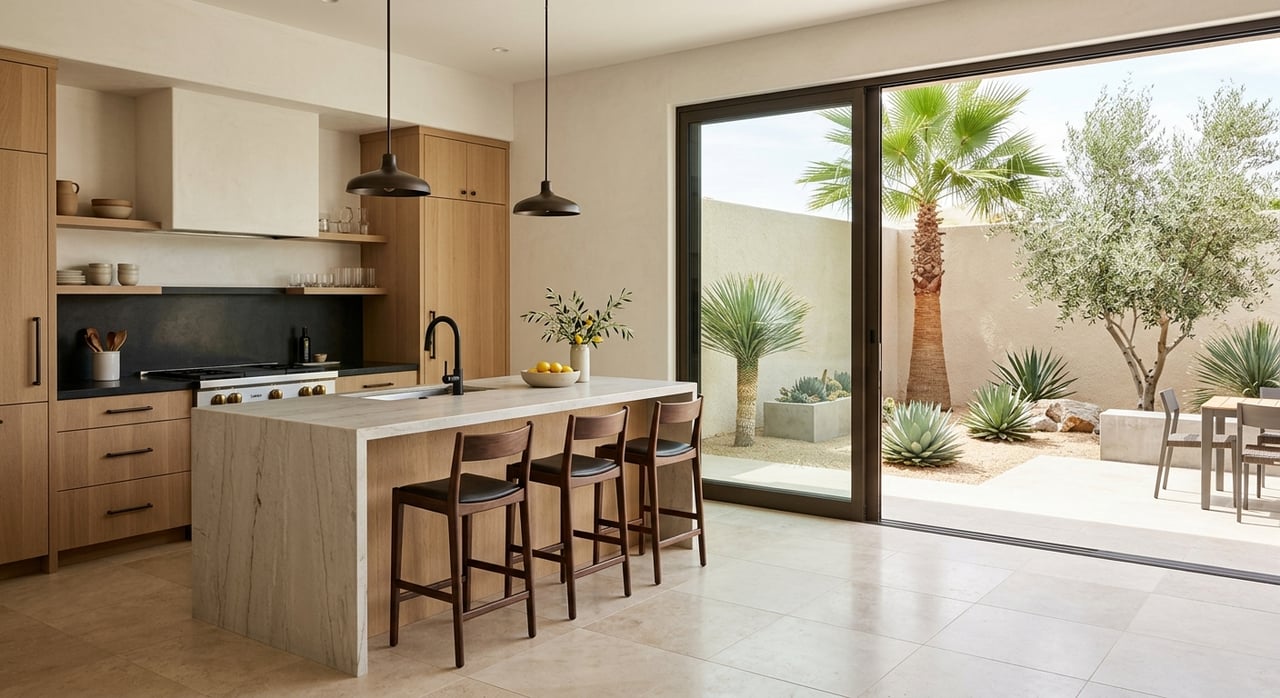
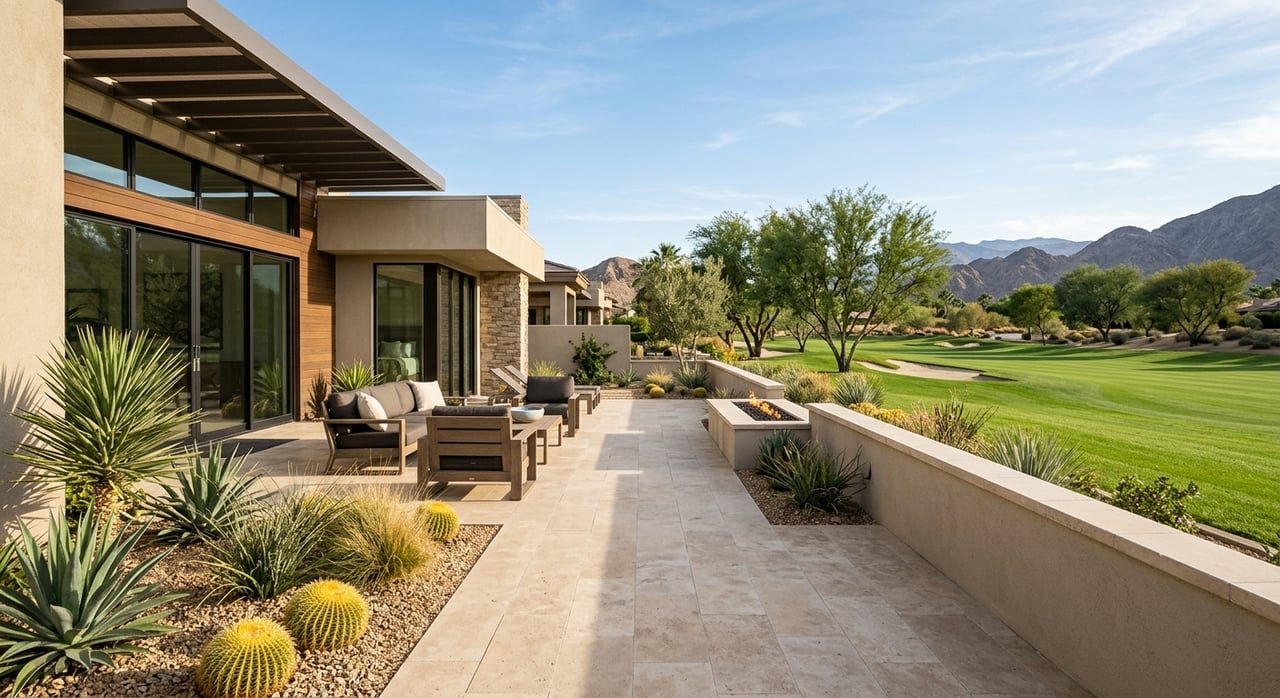
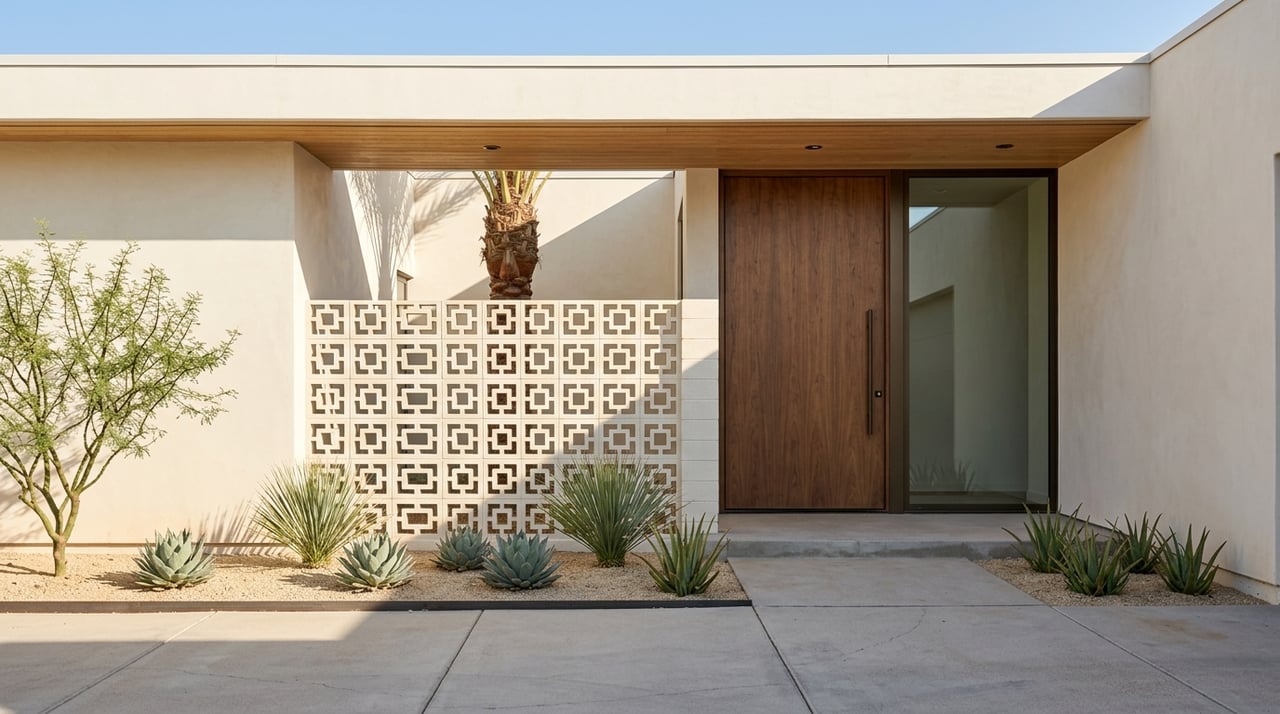
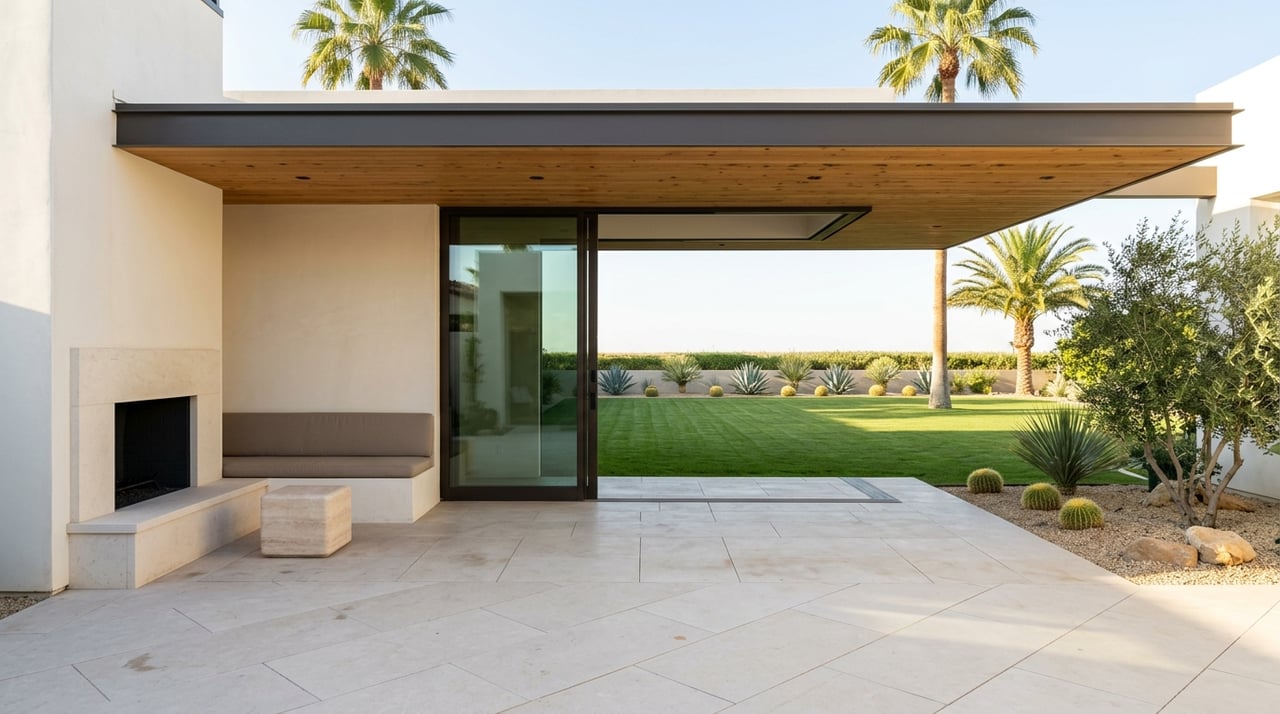
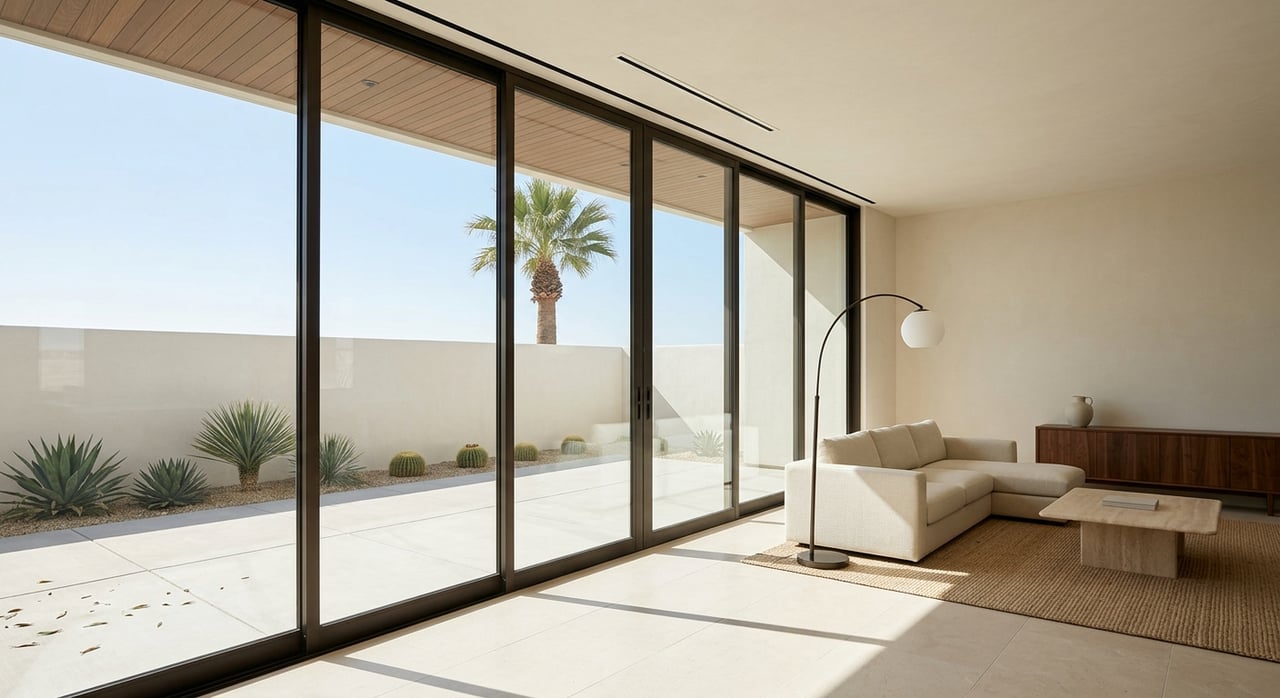
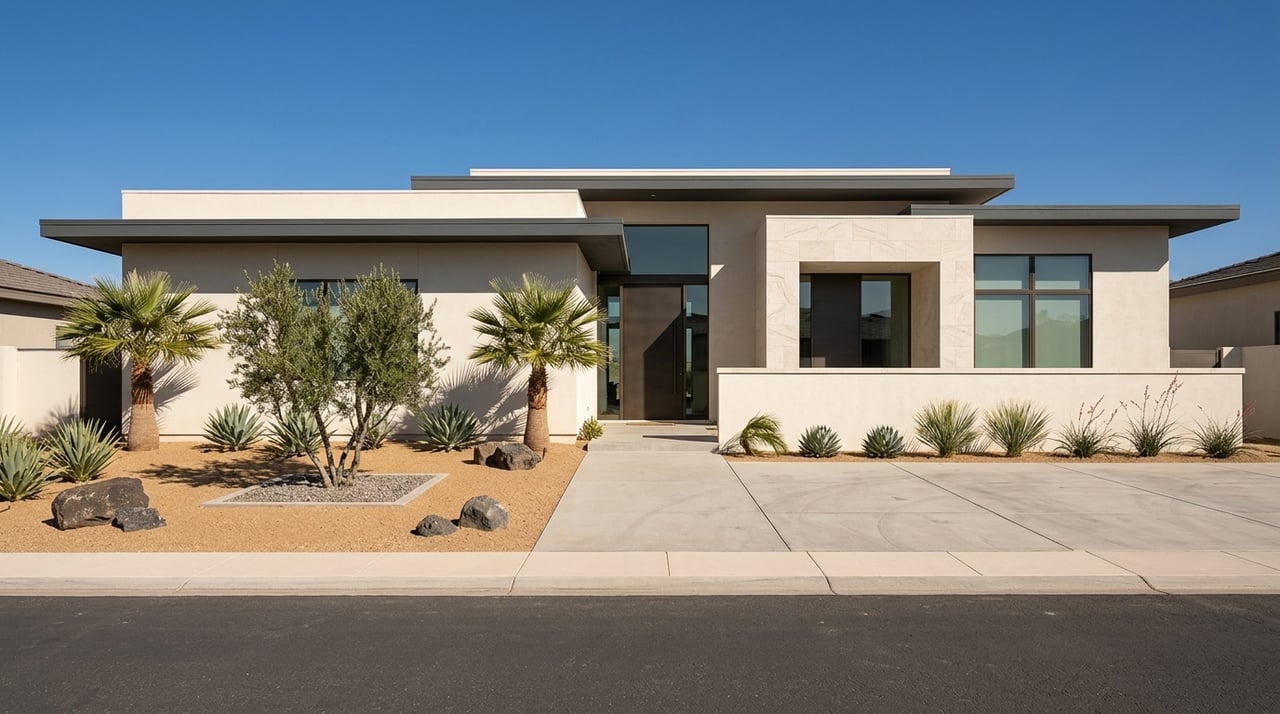
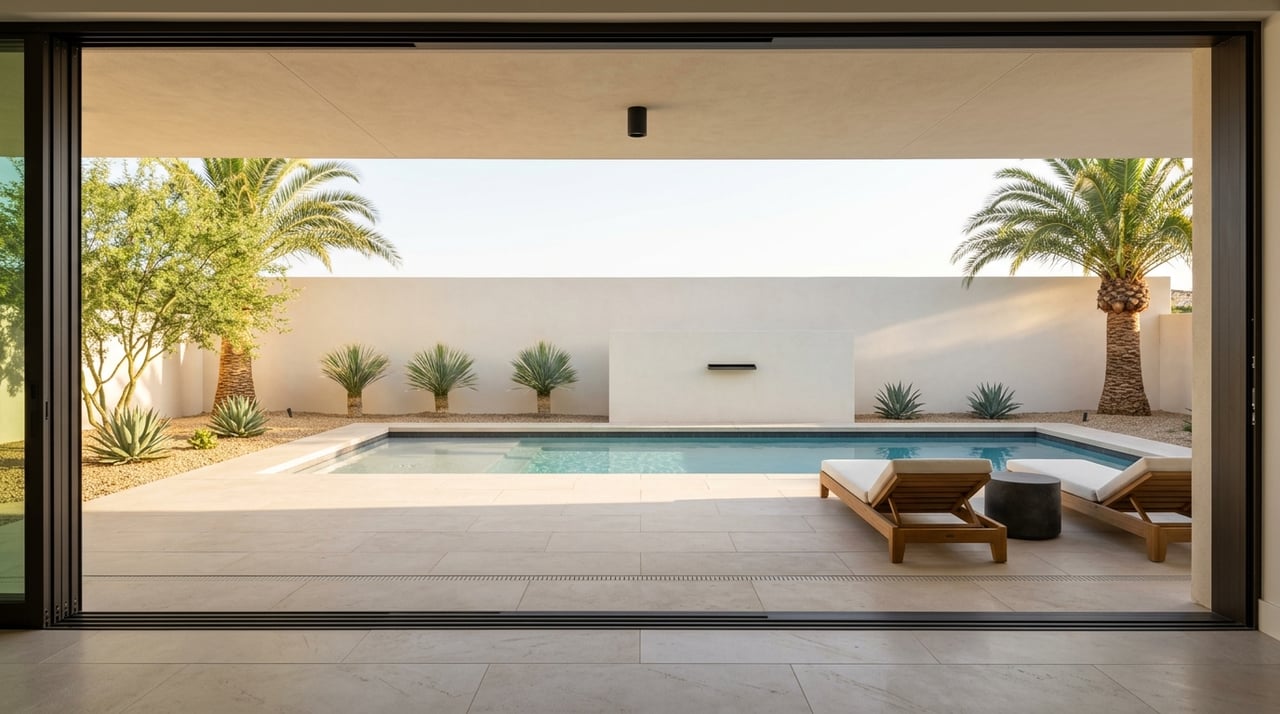
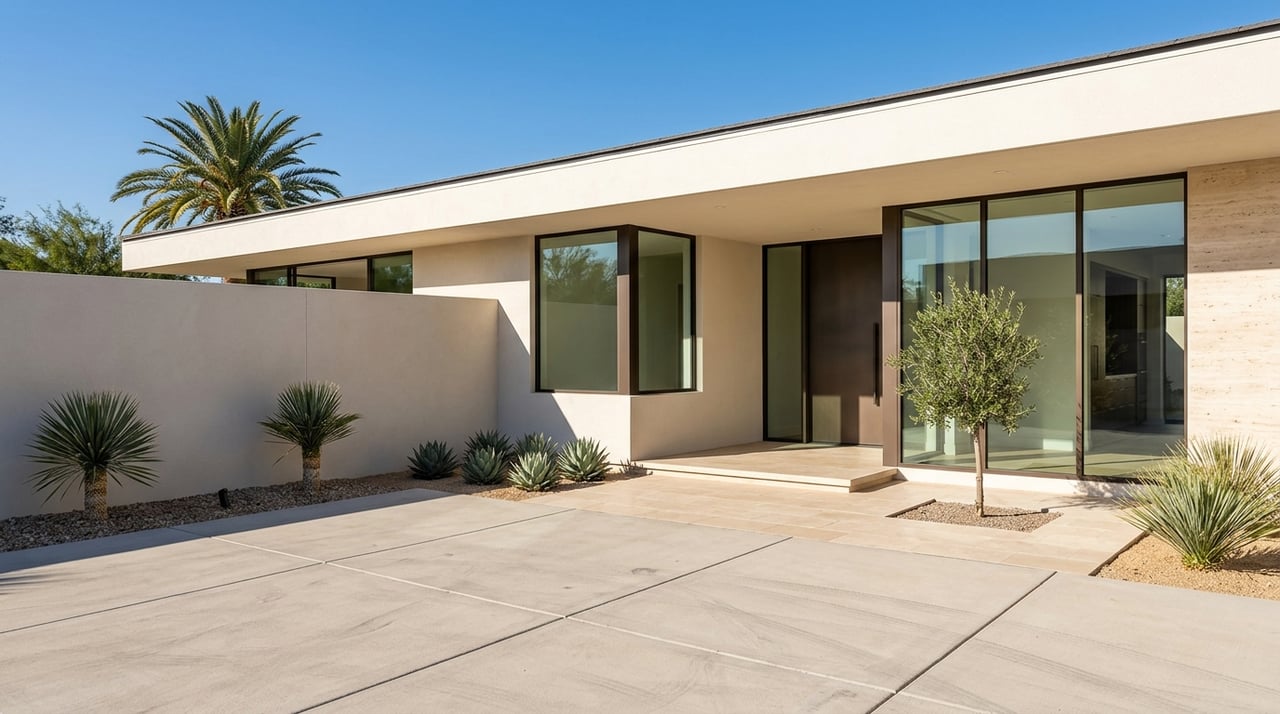
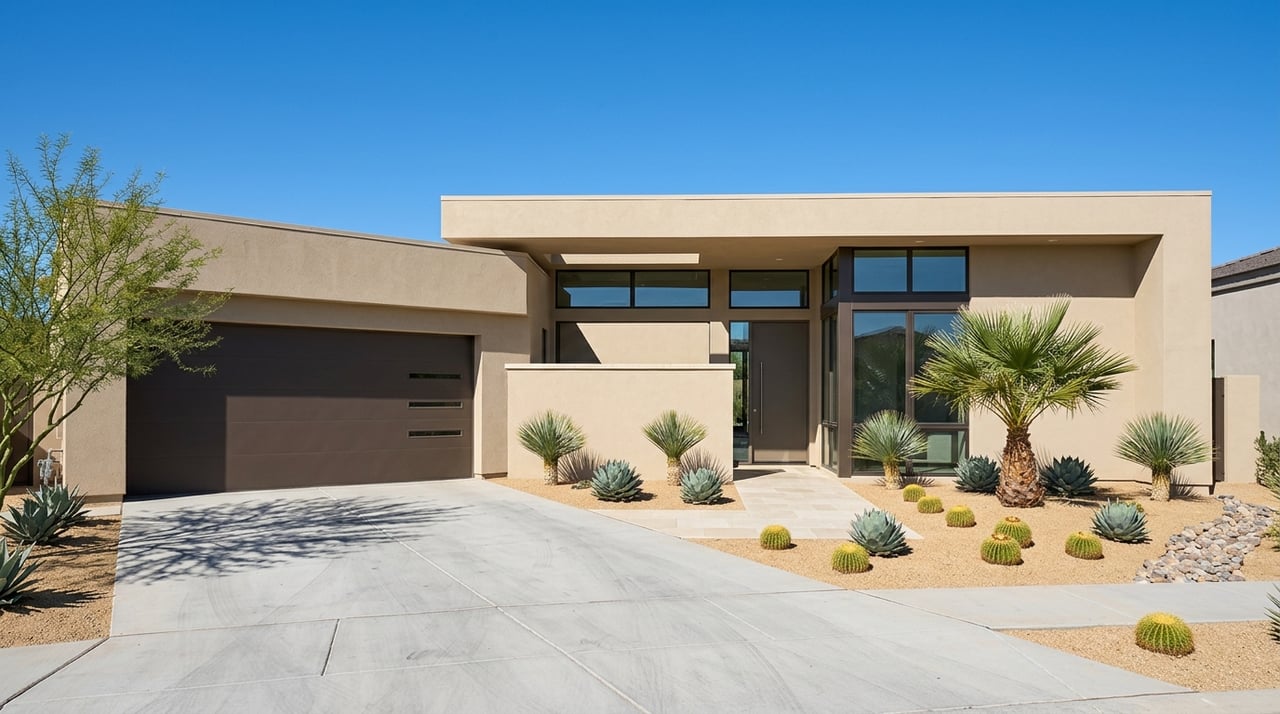
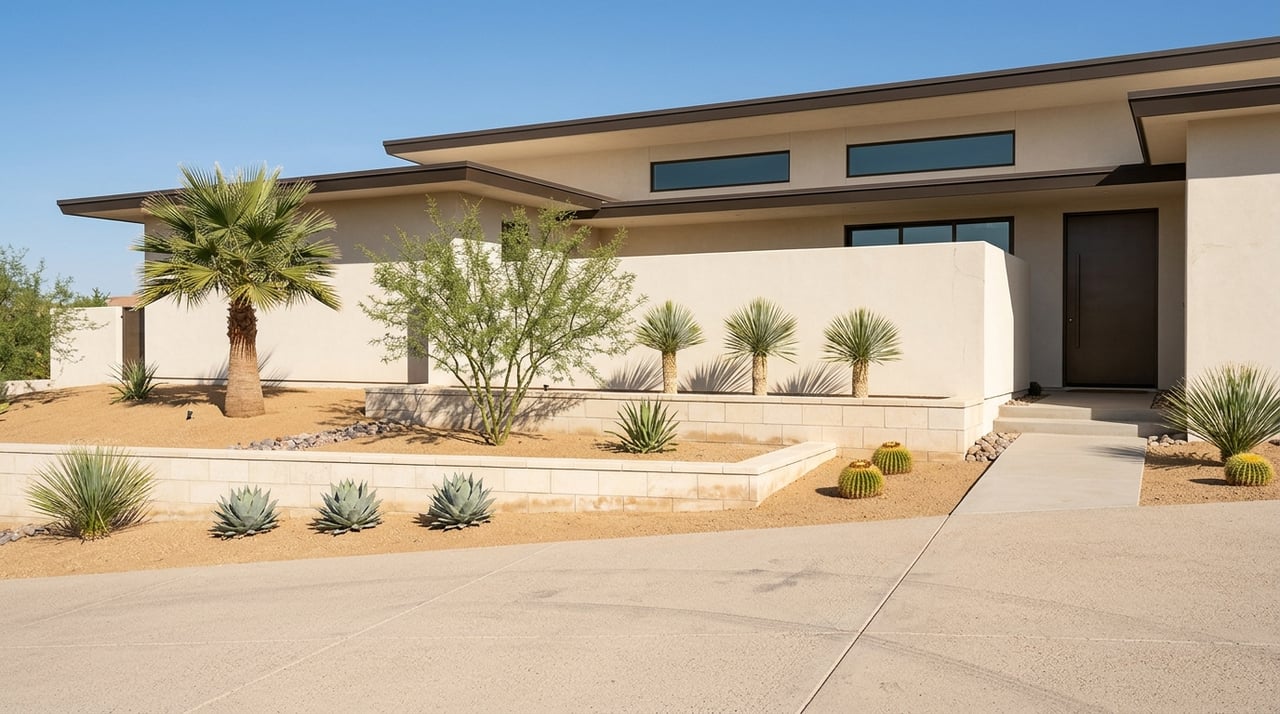
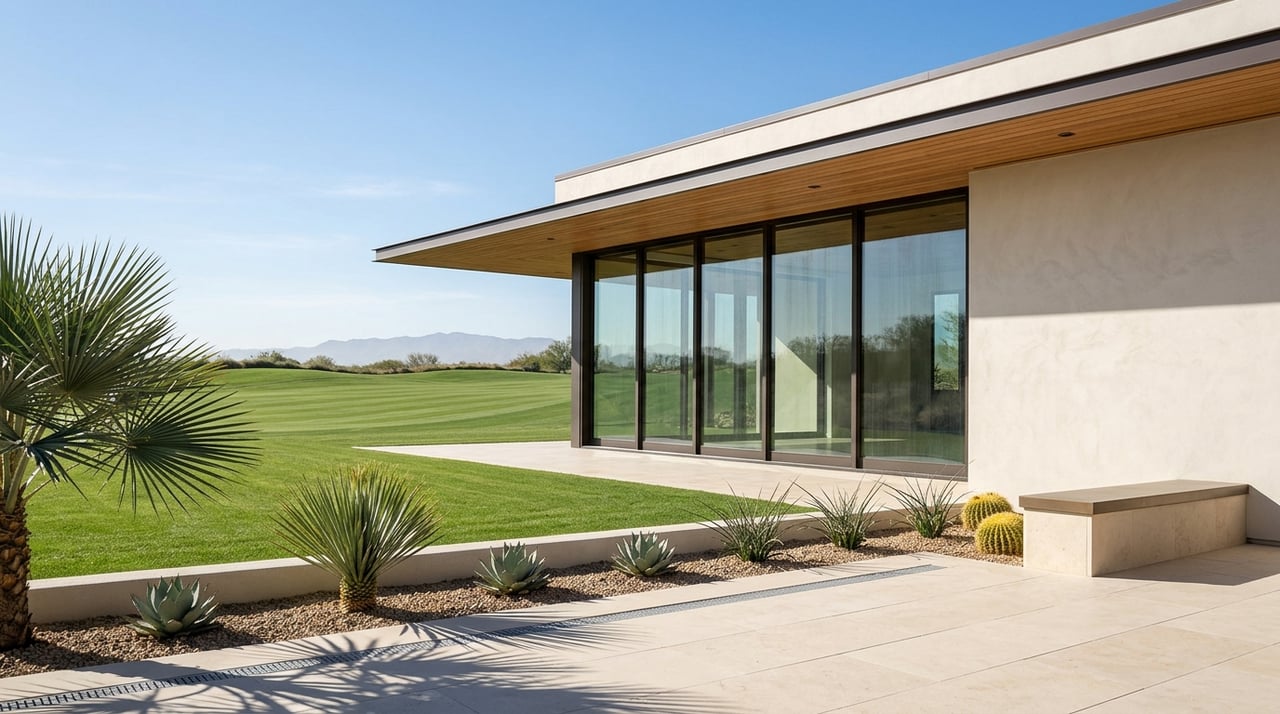
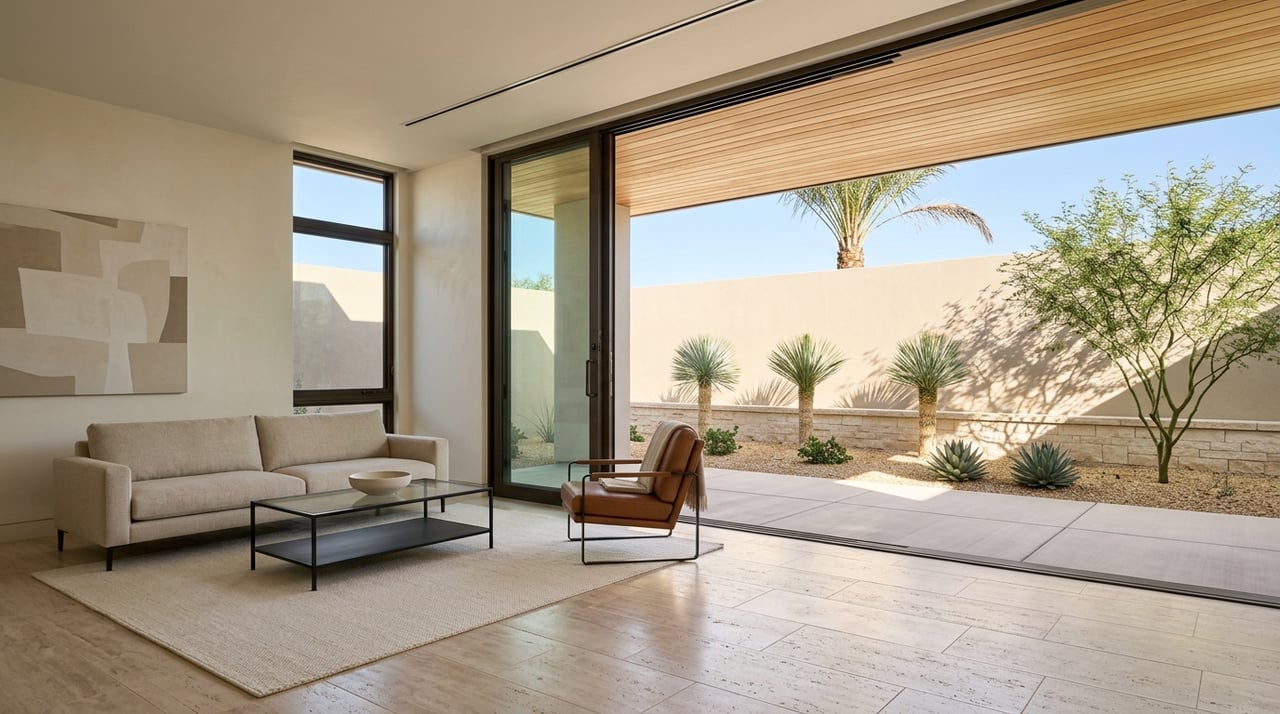
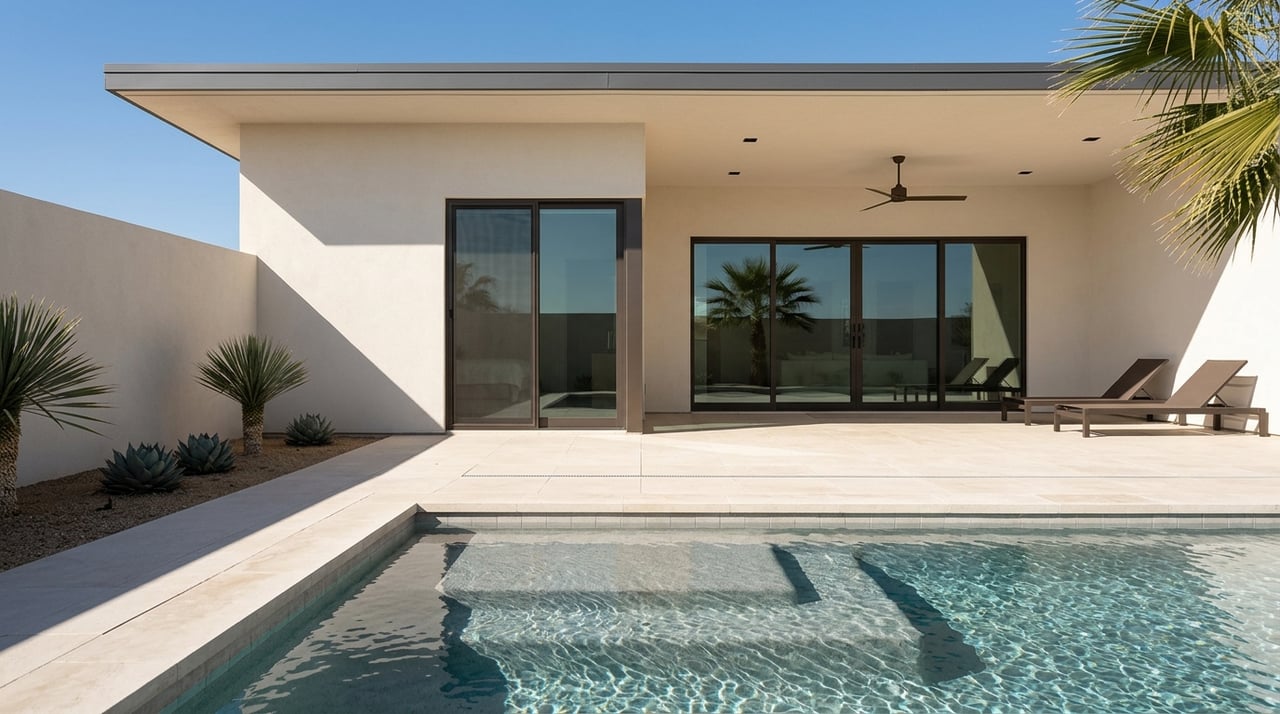
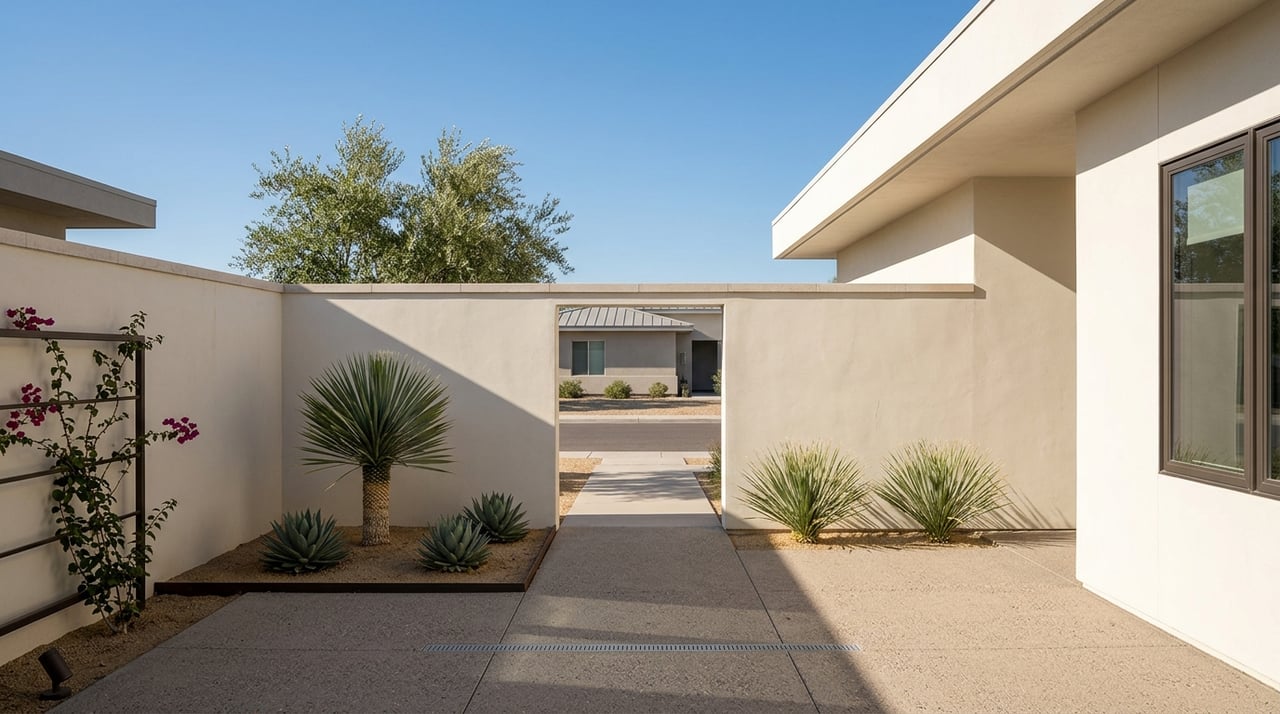
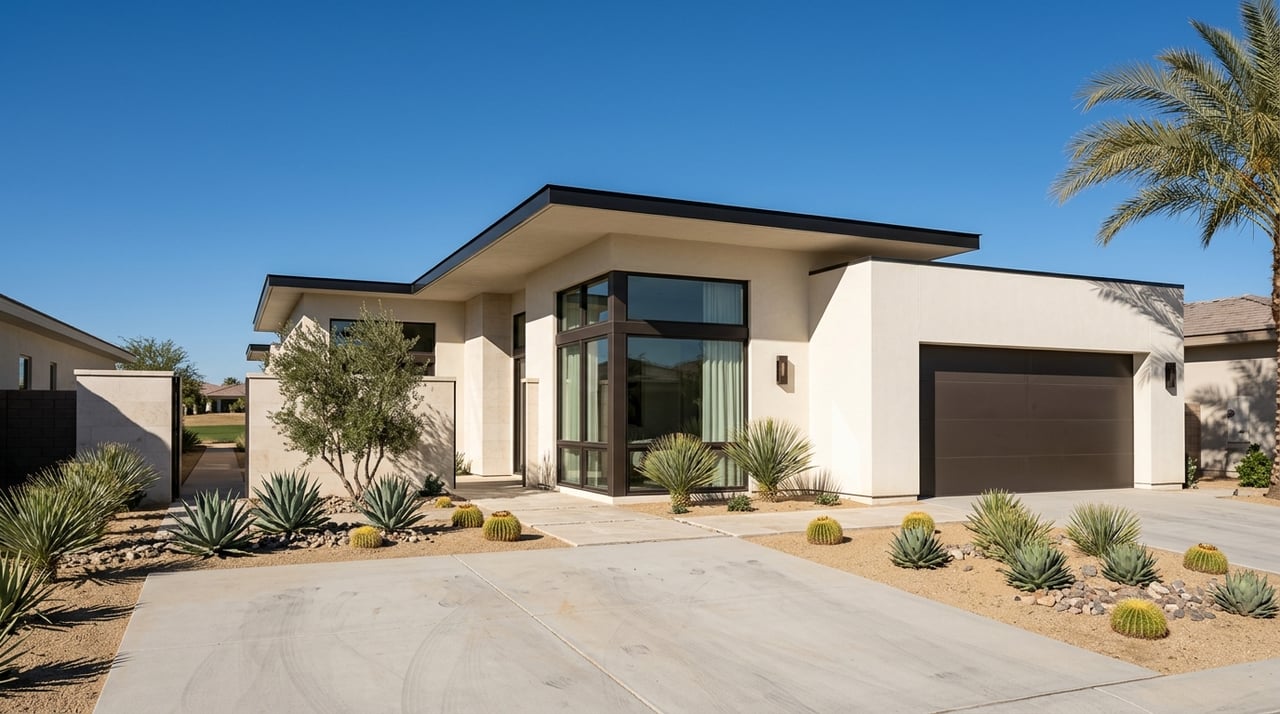
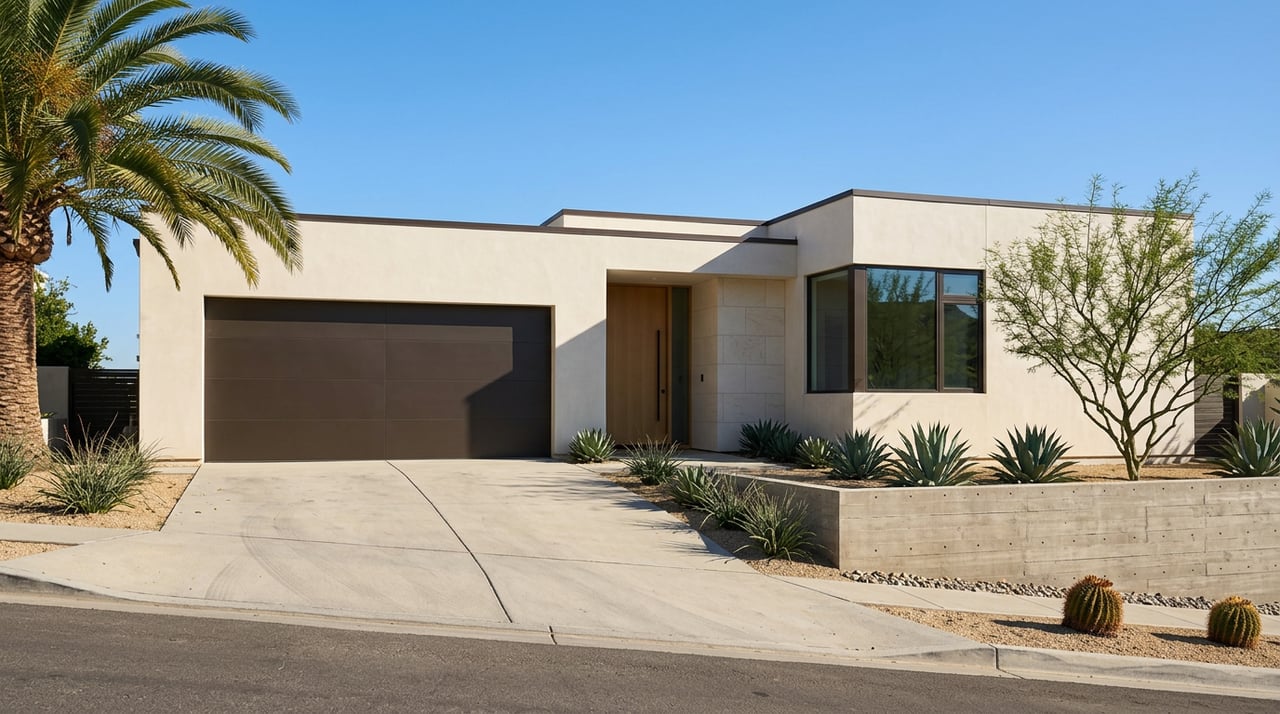
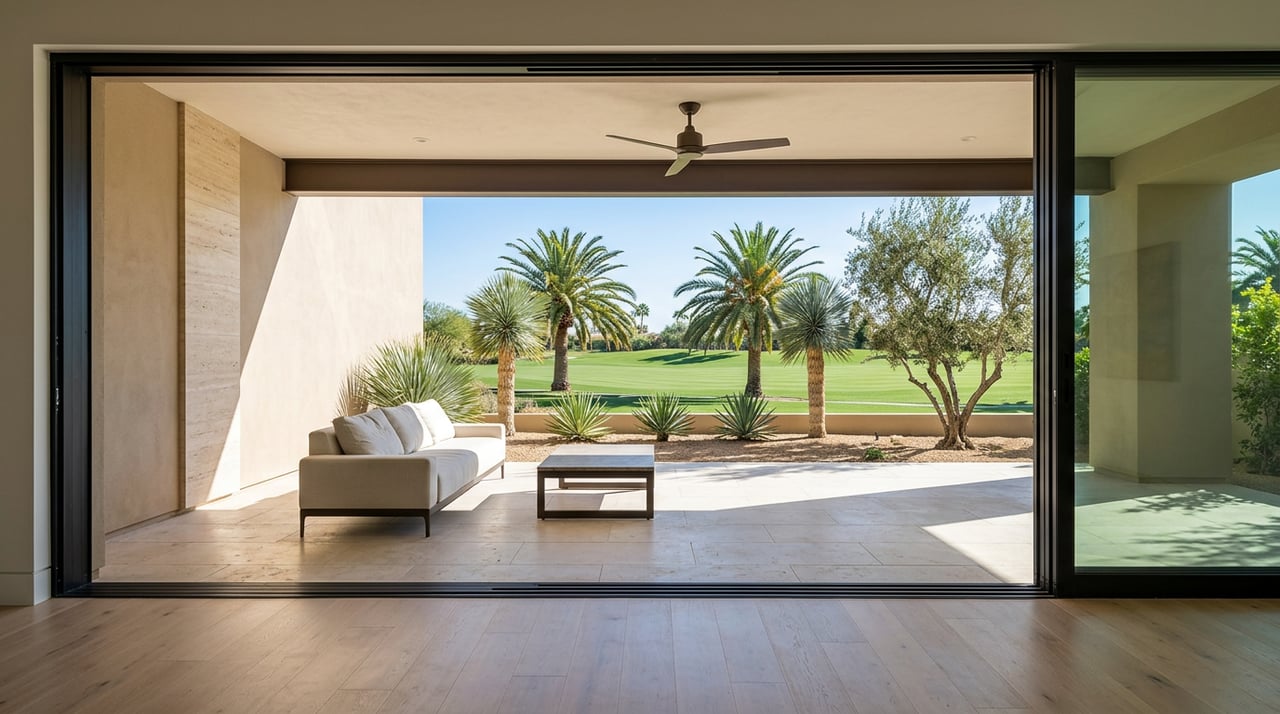
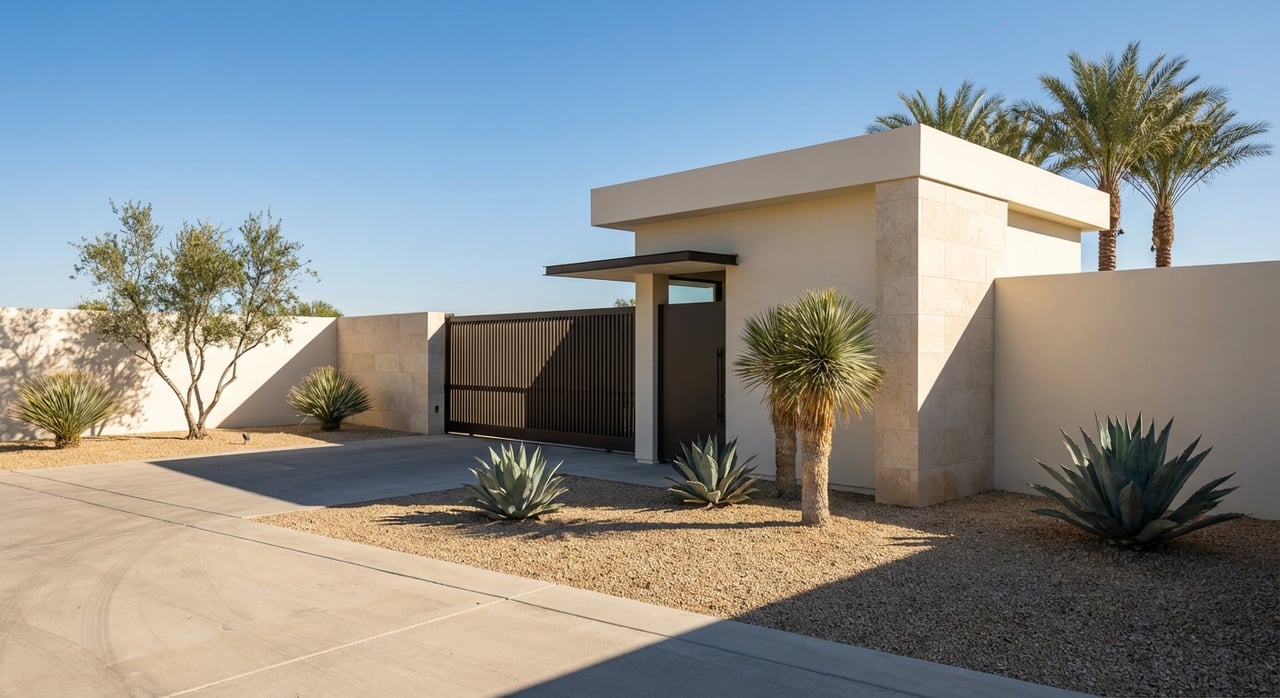
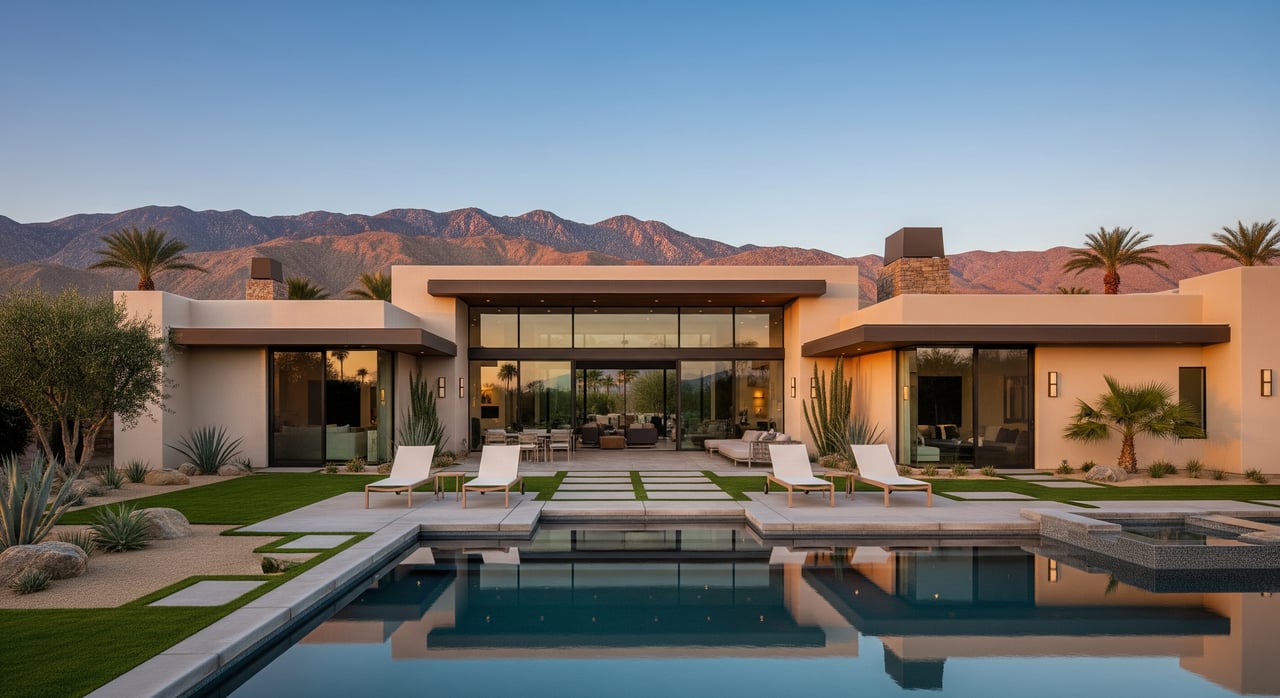
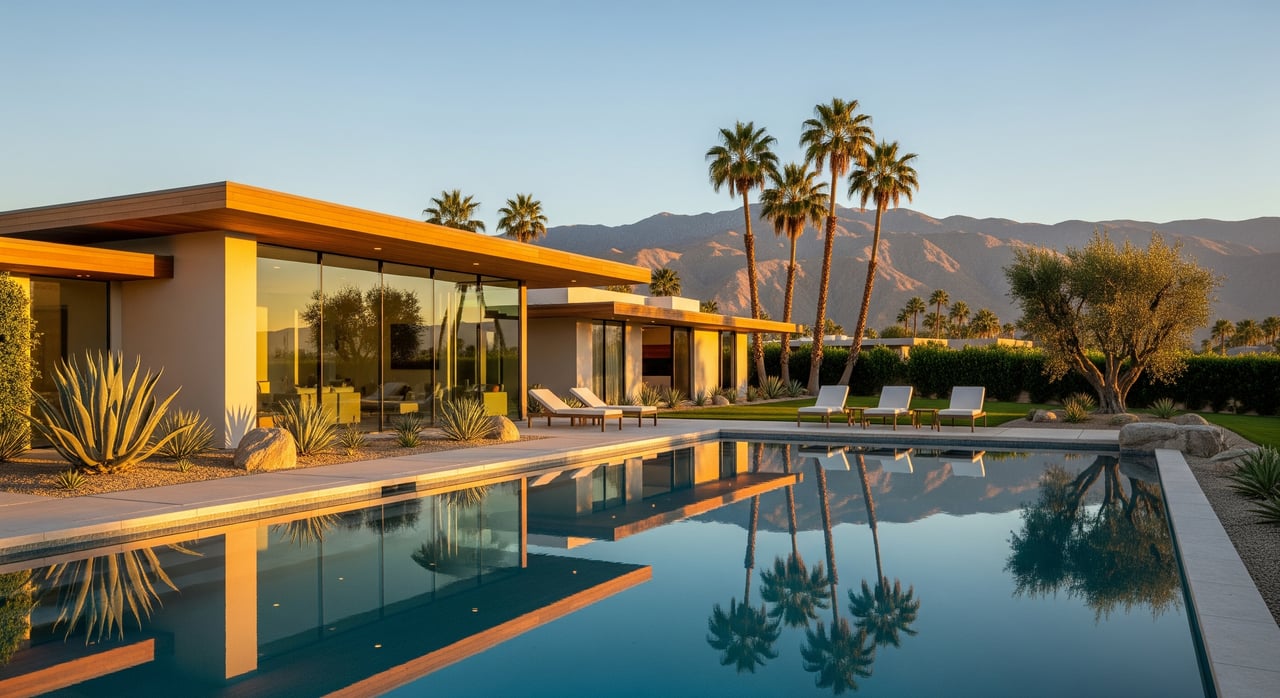
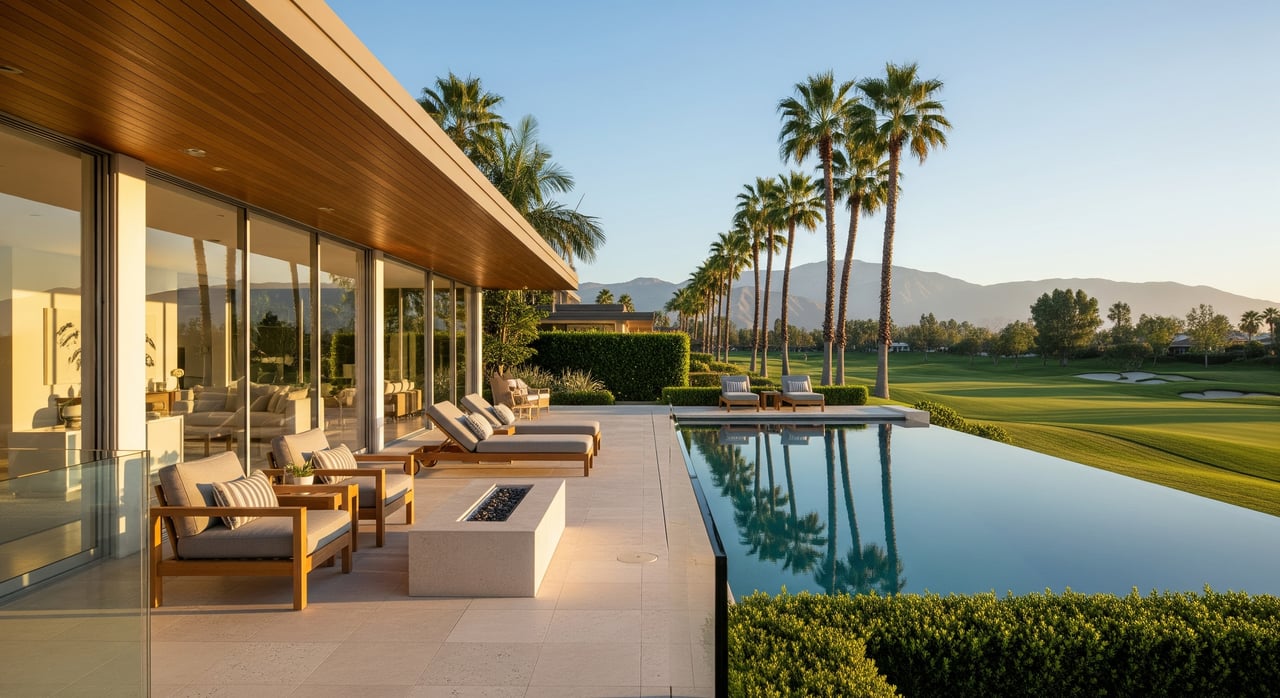
Expect single‑family homes and custom residences with patios, fairway or open‑space views, and indoor‑outdoor layouts that suit desert living. Many homes feature private pools, shaded terraces, and garages that accommodate a golf cart alongside cars. Gated entries and HOA services can simplify maintenance and add peace of mind.
If you prefer low‑maintenance living, review what the HOA covers and how landscape standards work. If you love to host, note outdoor kitchen potential, sun orientation, and privacy landscaping options.
Golf‑cart culture and rules
Cart life is part of the charm for many owners. It’s common to take a cart from home to the clubhouse, visit neighbors, and manage short, simple errands. Communities like this often include cart paths, cart‑friendly parking near amenities, and garage space planned with carts in mind.
Cart use is subject to California and local rules. California treats golf carts and low‑speed vehicles under specific guidelines. Municipal codes may set where carts can operate, lighting and safety requirements, and speed limits. Your HOA and the club may also have policies for path use and parking.
Practical tips:
- Plan charging: secure a garage outlet or a dedicated charging spot.
- Confirm insurance: some policies exclude carts; specialty coverage is common.
- Know etiquette: slow near pedestrians, yield at crossings, and park only where allowed.
- Verify rules: check the California DMV resources, your city’s municipal code, HOA documents, and club policies before using a cart on public streets.
Dining and everyday errands
Your daily dining mix will likely include clubhouse restaurants for coffee, casual lunches, and member evenings on the patio. Many residents pair that with local cafés, neighborhood bakeries, and seasonal farmers’ markets for variety.
If your home is in the Coachella Valley location near Rancho Mirage or Palm Desert, you’ll find an upscale shopping and dining corridor along El Paseo that is a frequent draw for galleries, boutiques, and restaurants. If your address is within Riverside city limits, you’ll rely more on Riverside’s dining districts and neighborhood retail. In both cases, confirm drive times to your most‑used spots during the times you plan to travel.
For everyday tasks, map out your go‑to grocery, pharmacy, and package drop‑off and check curbside or delivery availability. Many residents create simple weekly routines around these basics to save time.
Wellness, fitness, and outdoors
You’ll likely find a full wellness calendar centered on the club: fitness centers, small‑group classes like yoga or Pilates, courts for tennis or pickleball, and pools for laps and relaxation. On‑site or nearby spa services, massage, and recovery treatments help you stay active year‑round.
Outdoor access varies by exact address. In Coachella Valley communities, residents often enjoy desert trails, foothill walks, and scenic drives. Elsewhere in Riverside County, you’ll find a mix of local parks, regional preserves, and multi‑use paths. Choose routes for early mornings in summer and afternoons in cooler months.
Healthcare access matters, especially for part‑time residents or retirees. Major providers, including Eisenhower Health within the Coachella Valley, serve the region. Confirm your nearest emergency department, urgent care, and specialists from your specific address and usual drive times.
Membership options at a glance
Clubs commonly offer several membership paths. Always verify the exact options with the membership office before you join. Typical categories include:
- Full or Golf Membership: priority tee times, practice facilities, clubhouse dining, and most social events.
- Social Membership: clubhouse dining, events, and often pools and courts, with limited or no golf privileges.
- Sports or Family Membership: access to fitness, courts, and junior programs; golf access varies.
- Non‑resident or Seasonal Membership: flexible access for part‑time residents, usually with defined seasonal windows.
- Equity vs non‑equity: equity memberships include an ownership or voting interest; non‑equity structures differ in rights and transfer.
When you evaluate membership, ask about guest privileges, tee‑time booking windows, waitlists, family access, and whether trial or interim programs are available. Also confirm how memberships transfer with resale or estate planning.
Smart buying considerations
A thoughtful due‑diligence process helps you match the lifestyle you want with the home that supports it.
- HOA and rules: review CC&Rs, architectural guidelines, exterior maintenance responsibilities, rental rules, pet policies, and golf‑cart storage. Confirm monthly dues and exactly what they cover.
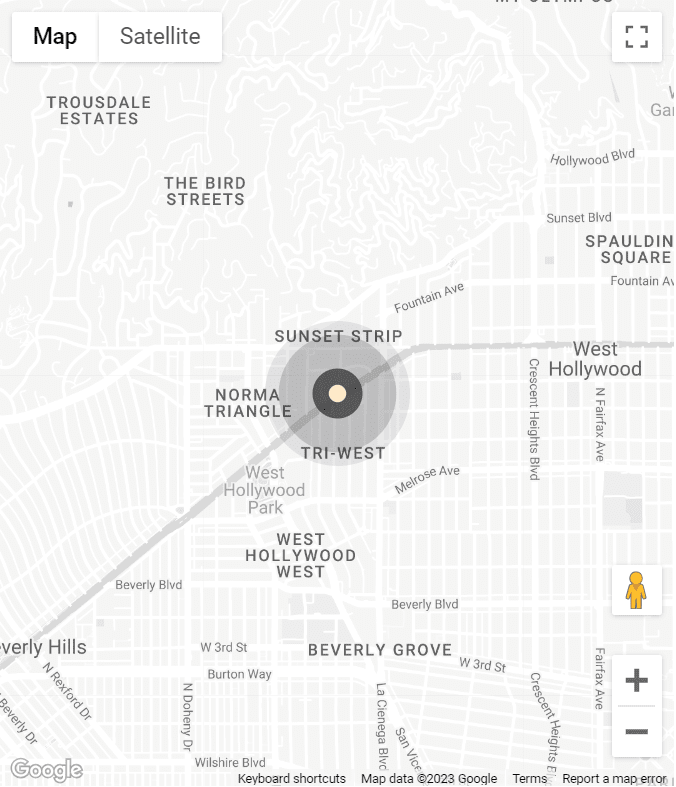
- Municipal jurisdiction: the name “Thunderbird Country Club” appears in multiple Southern California locations. Confirm the exact community boundary and which city governs your address before relying on local rules, schools, utilities, and services.
- Taxes and costs: check county property tax details, any special assessments, and utility providers. Ask about irrigation practices and water guidelines in drought‑sensitive areas.
- Schools: verify public and private school options and assignments for your specific address using official district resources.
- Transportation: identify your nearest freeway access, typical drive times to daily destinations, and whether regional transit matters for your lifestyle.
- Safety and services: confirm police and fire coverage, emergency response times, and any gated security services.
- Internet and connectivity: confirm availability and speeds for your work‑from‑home or streaming needs.
- Resale context: country‑club communities can carry premiums and seasonal demand patterns. Review recent comparable sales and seasonality to plan timing.
Seasonal living tips
Desert climates bring hot summers and mild winters. Most residents shift routines with the weather. In summer, plan outdoor time at sunrise, lean on shaded patios and pool time, and hydrate often. In winter, mid‑day rounds and afternoon social hours are comfortable and active.
If you are a part‑time resident, consider a simple arrival and departure checklist for HVAC settings, irrigation timers, pool service, and forward‑deliveries. Ask the HOA or club about any seasonal event calendars you’ll want on your schedule.
Is it right for you?
If you value easy access to golf, fitness, and social life, plus a home that invites indoor‑outdoor living, the lifestyle around Thunderbird Country Club Estates can be a strong fit. The key is to confirm the exact location and governing city so your daily routine aligns with your expectations. From cart rules to grocery routes to membership perks, a bit of upfront planning pays off in daily comfort.
Ready to explore homes and make a confident plan? Reach out to Sean Downs for hyper‑local guidance, HOA and membership insight, and a tailored search that fits how you want to live.
FAQs
Can I use a golf cart for daily errands near Thunderbird Country Club Estates?
- Often yes for short trips, but rules vary by city, HOA, and club; confirm California DMV guidance, municipal code, and community policies before driving a cart on public streets.
What is within a 10–30 minute drive for dining and shopping?
- It depends on your exact address and governing city; map your preferred grocery, pharmacy, cafés, and dining districts at the times you typically travel to confirm realistic drive times.
What kinds of club memberships are typical and how do I choose?
- Options often include Full/Golf, Social, Sports/Family, and Non‑resident/Seasonal; match benefits to your routine, ask about guest access and waitlists, and confirm transfer rules before committing.
Are there safety concerns with living next to a golf course?
- Stray balls and privacy are common considerations; ask about orientation, landscape buffers or netting, and confirm how your homeowner and club policies address potential incidents.
Is the lifestyle seasonal or comfortable year‑round?
- Many residents live year‑round with seasonal routines; plan early mornings in summer, enjoy mild winters, and use club wellness amenities to stay active regardless of temperature.
What should I verify before making an offer?
- Confirm municipal jurisdiction, HOA rules and dues, cart use policies, membership options, utility providers, school assignments if relevant, and proximity to healthcare and daily errands.