Escrow closes. The wire clears. The gate code changes hands. And then, sometime in the following months, a second tax bill shows up that nobody mentioned at the closing table. It is not a mistake. It is not a fee anyone forgot to disclose. It is the supplemental property tax bill, and on a street like Clancy Lane Estates, where a handful of custom homes trade for anywhere from $3.5 million to $6.9 million in a given year, that supplemental bill can run into five figures the seller never paid.
Here is the number that makes this worth explaining rather than glossing over. The average assessed value across the roughly sixteen homes on Clancy Lane Estates sits near $1.6 million, with average annual property taxes around $19,500. Meanwhile, four homes on that same street closed between August 2025 and July 2026 at $3.5 million, $3.5 million, $5.05 million, and $6.9 million. Anyone reading a portal's "average home value" for this street and using it to estimate what they would actually pay is working from a number that describes the past, not the market they are buying into.
Why the Assessor's Number and the Market's Number Diverge
That gap is not a data error. It is California's Proposition 13 doing exactly what it was built to do in 1978. Under the law, a home's assessed value is locked to its purchase price at the last change of ownership, and that value can only climb by a maximum of 2 percent a year until the property changes hands again. Someone who bought on Clancy Lane Estates in 1999, the average build year for the street, has spent a quarter century watching their assessed value creep upward by a couple of percentage points annually while the surrounding market moved in a completely different direction. Their tax bill reflects 1999 economics. The house next door, if it sold last year, resets to today's price the moment the deed records.
The California State Board of Equalization is direct about the mechanism: once a change in ownership is recorded, the county assessor reassesses the property to its current fair market value as of the transfer date, and the new purchase price becomes the base year going forward. There is no averaging in the old owner's low basis. There is no grace period tied to the neighborhood. The clock resets completely, for that one parcel, on that one date.
This is why the street's average assessed value is close to useless as a pricing tool. It is an average of a few longtime owners whose taxable value never moved and a few recent buyers whose value reset entirely, blended into a single misleading figure.
Four Sales, Four Different Stories
The four closings from the past year make the point better than any average could.
| Address | Sold | Price | Square Feet | Price per Sq Ft |
|---|---|---|---|---|
| 72200 Clancy Lane | Jul 2025 | $6,900,000 | 7,380 | $935 |
| 25 Clancy Lane Estates | Aug 2025 | $3,500,000 | 4,720 | $741 |
| 21 Clancy Lane Estates | Sep 2025 | $3,500,000 | 4,375 | $800 |
| 3 Clancy Lane S | Jul 2026 | $5,050,000 | 4,918 | $1,027 |
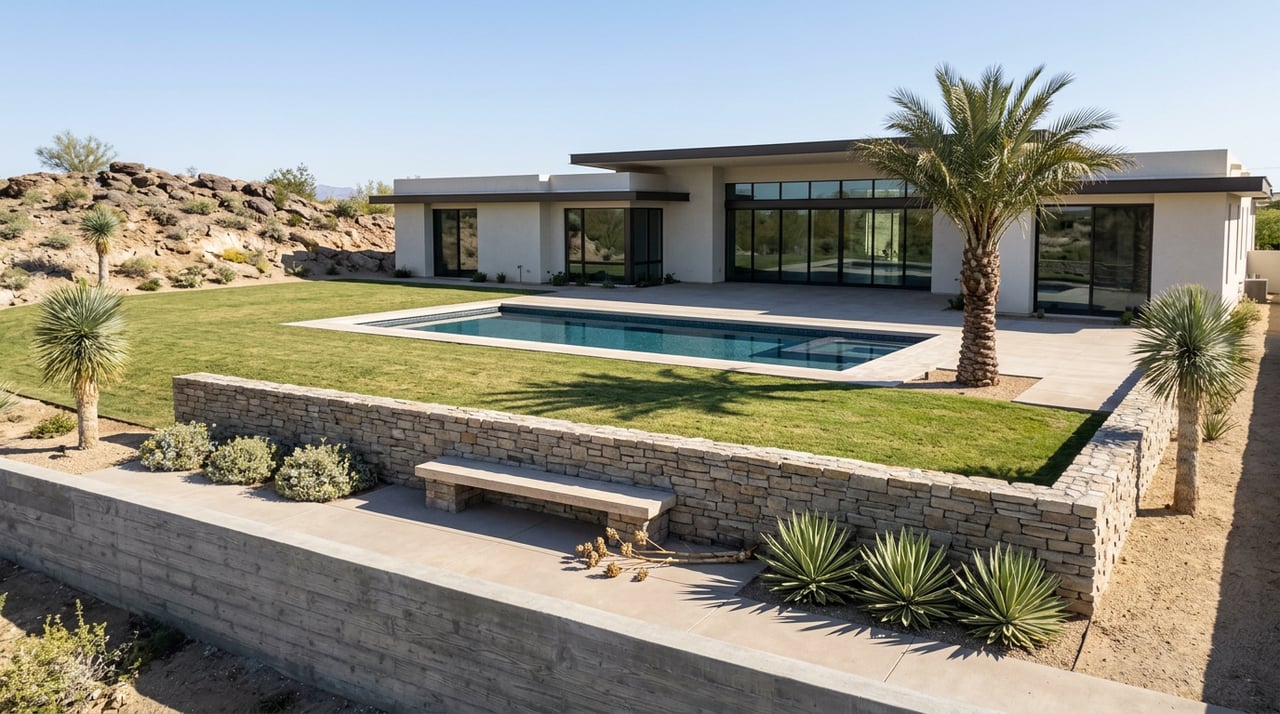
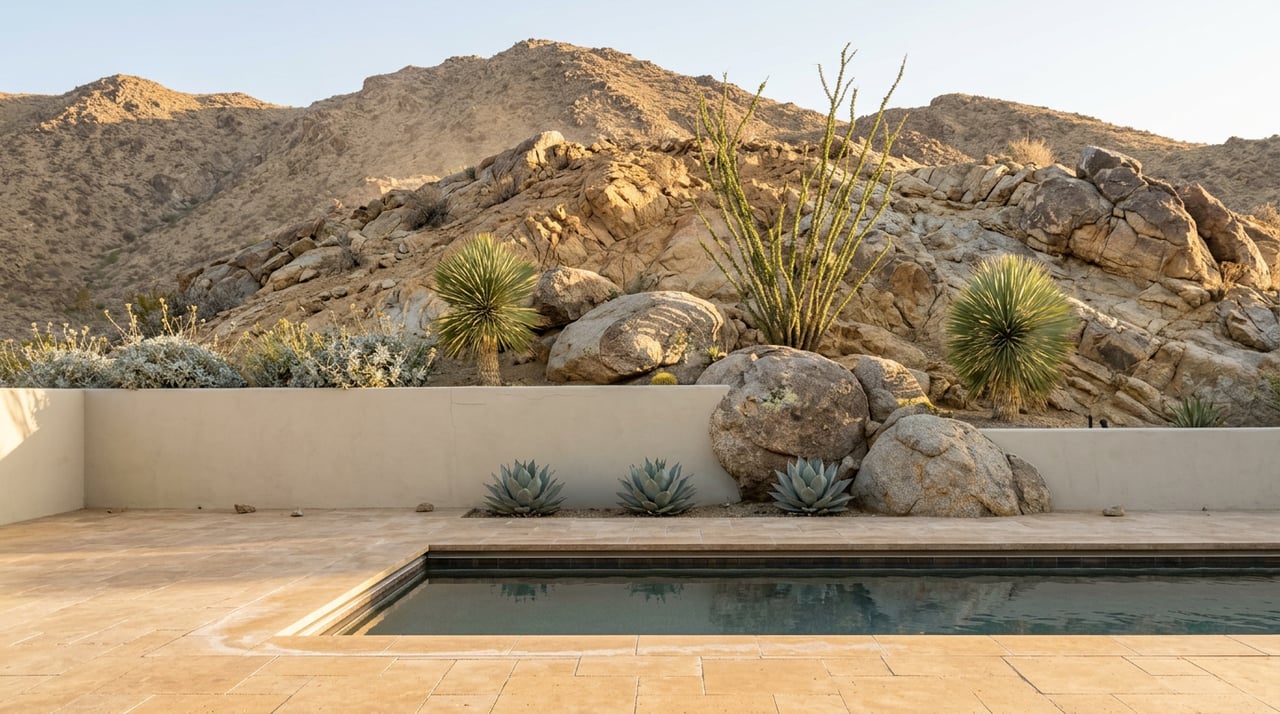
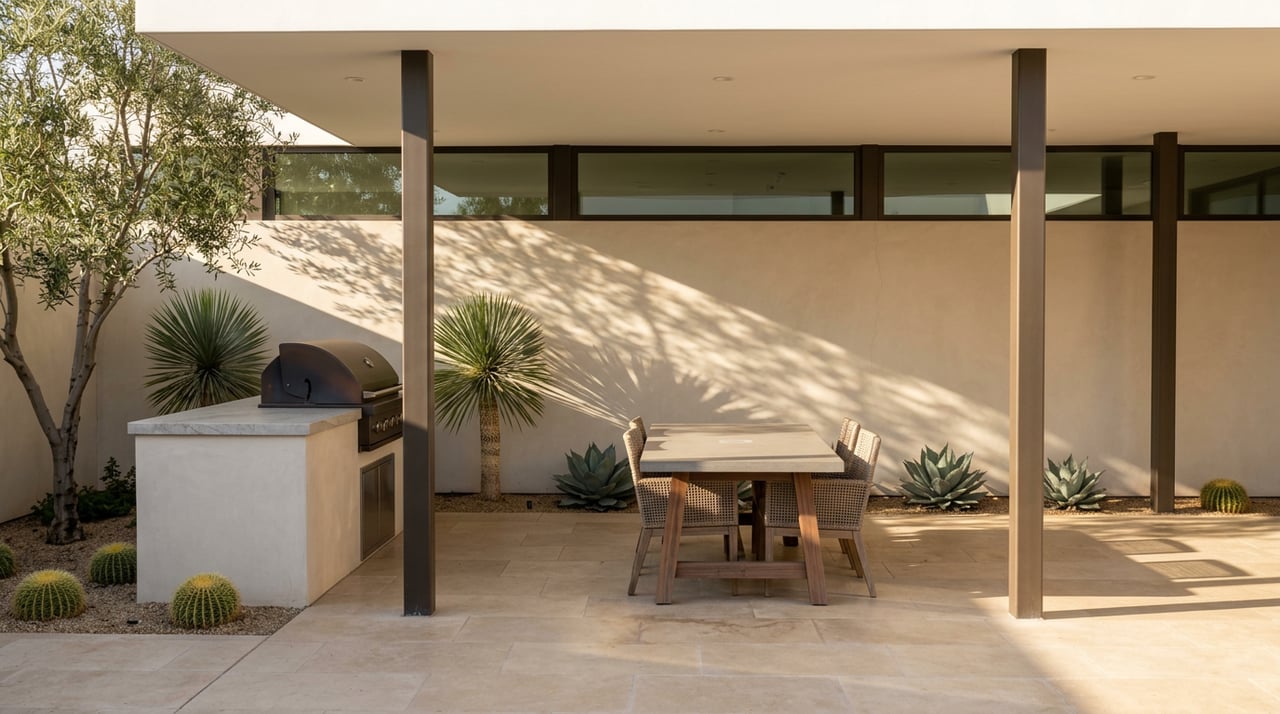
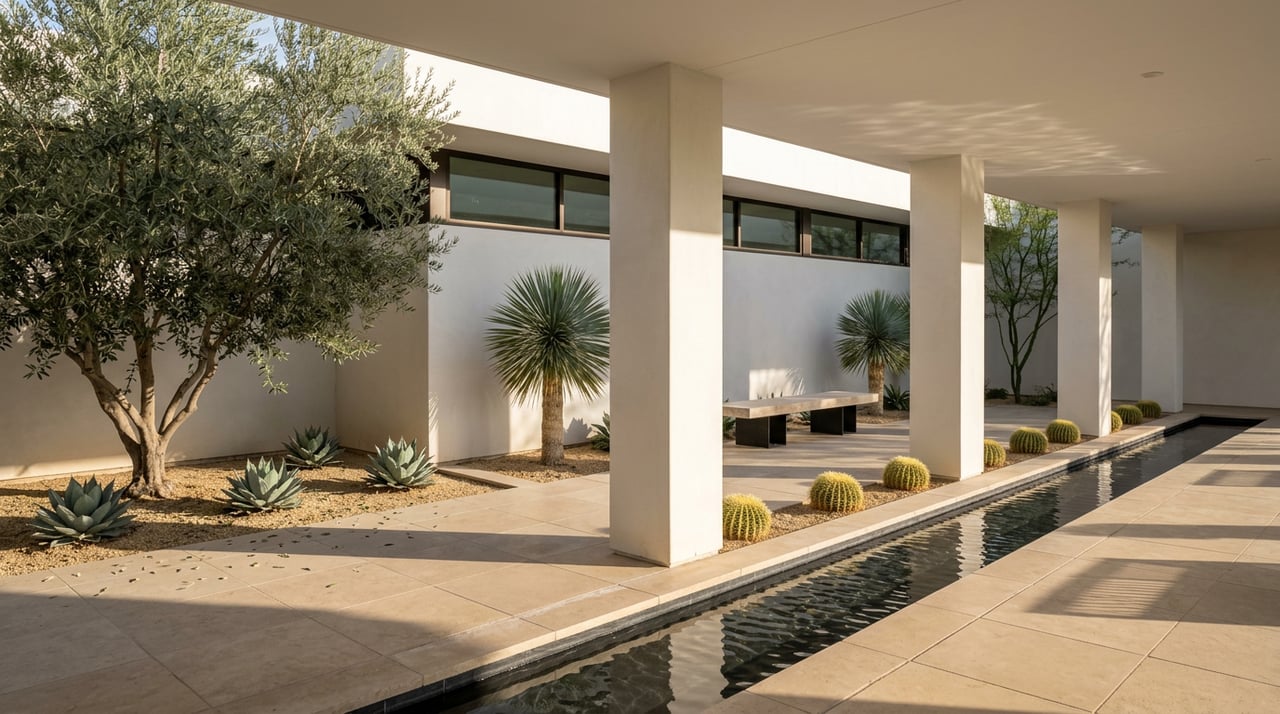
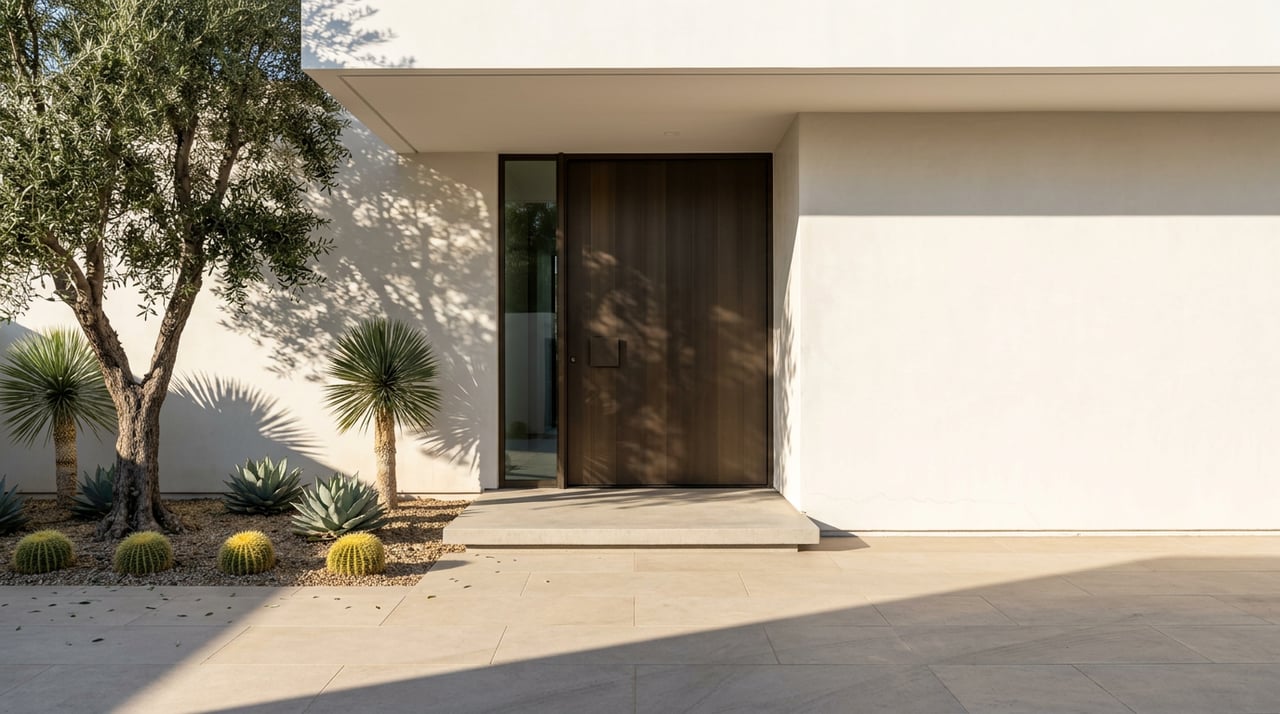
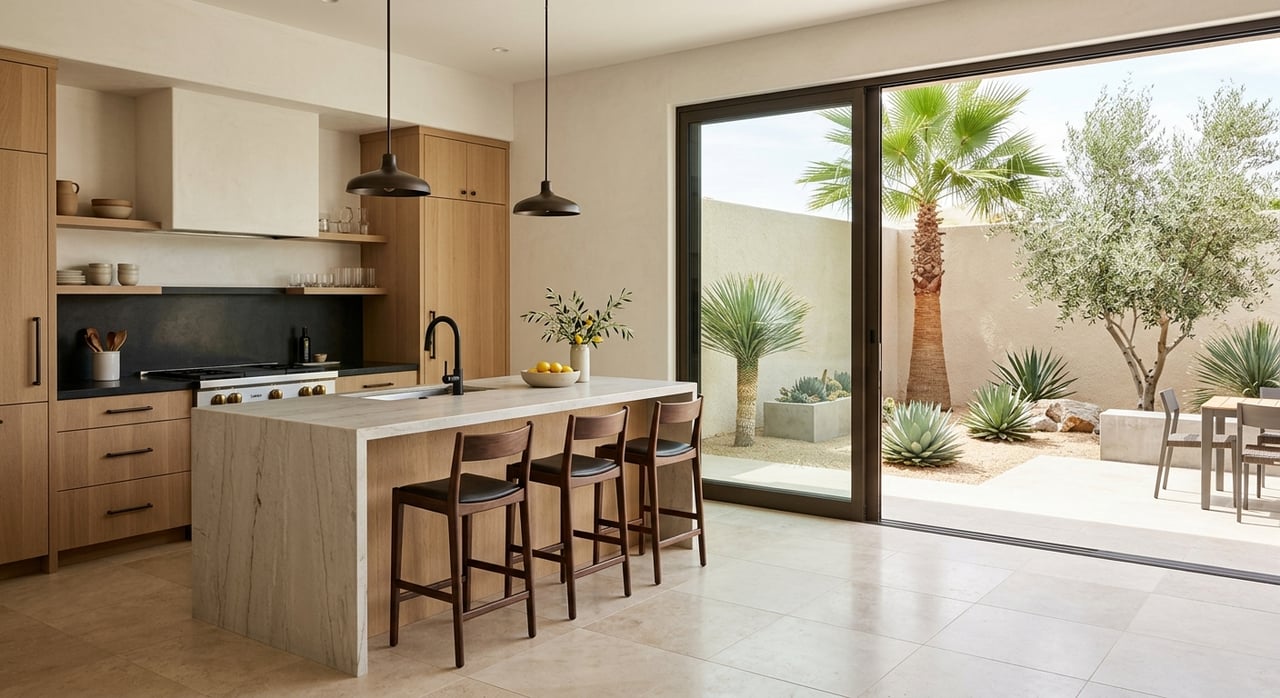
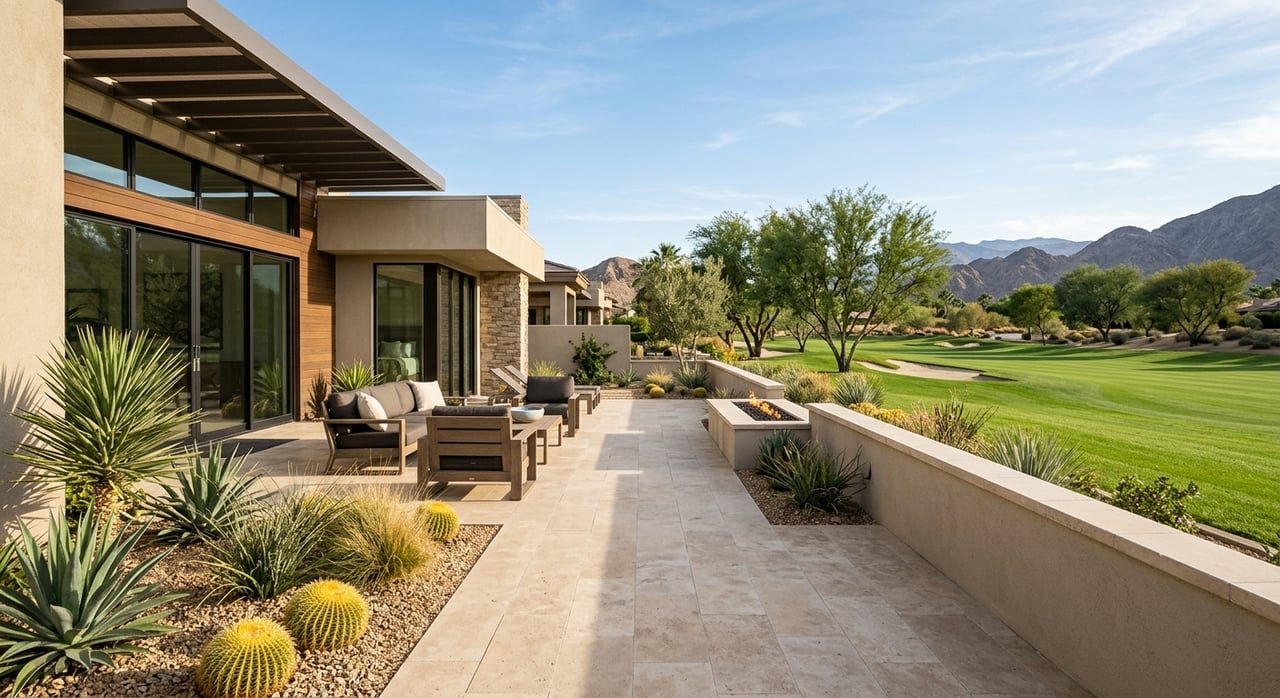
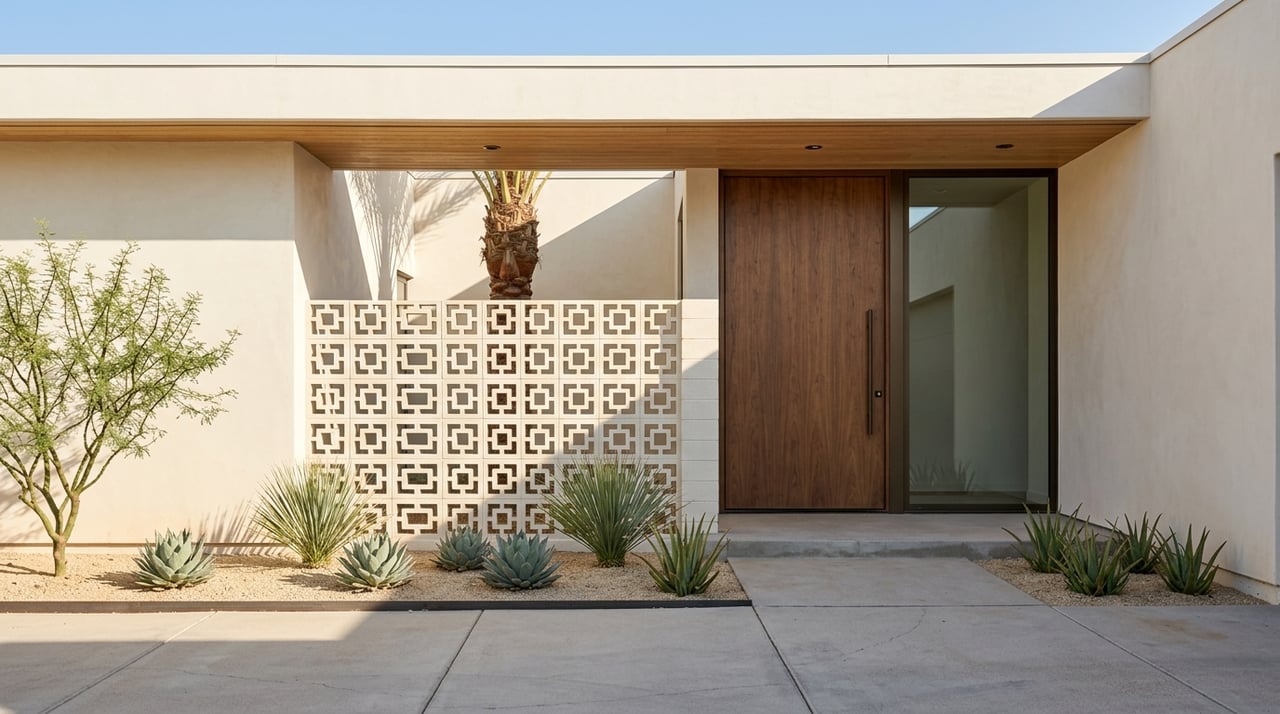
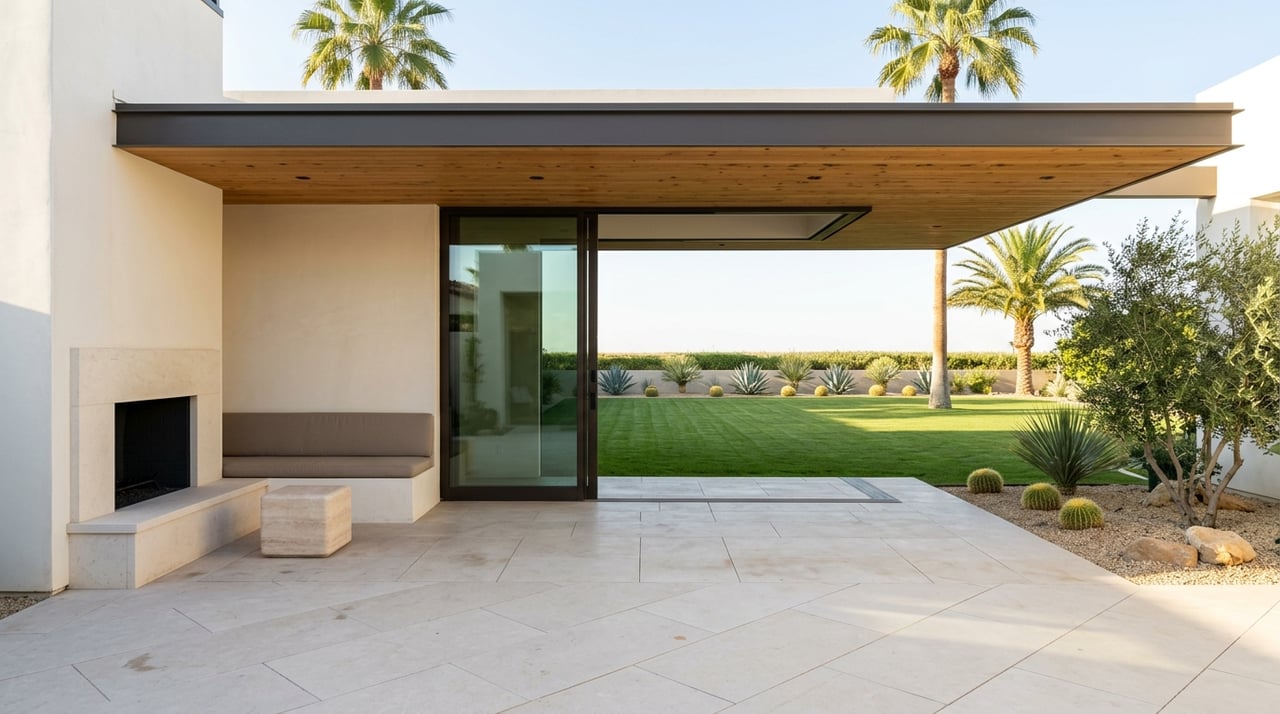
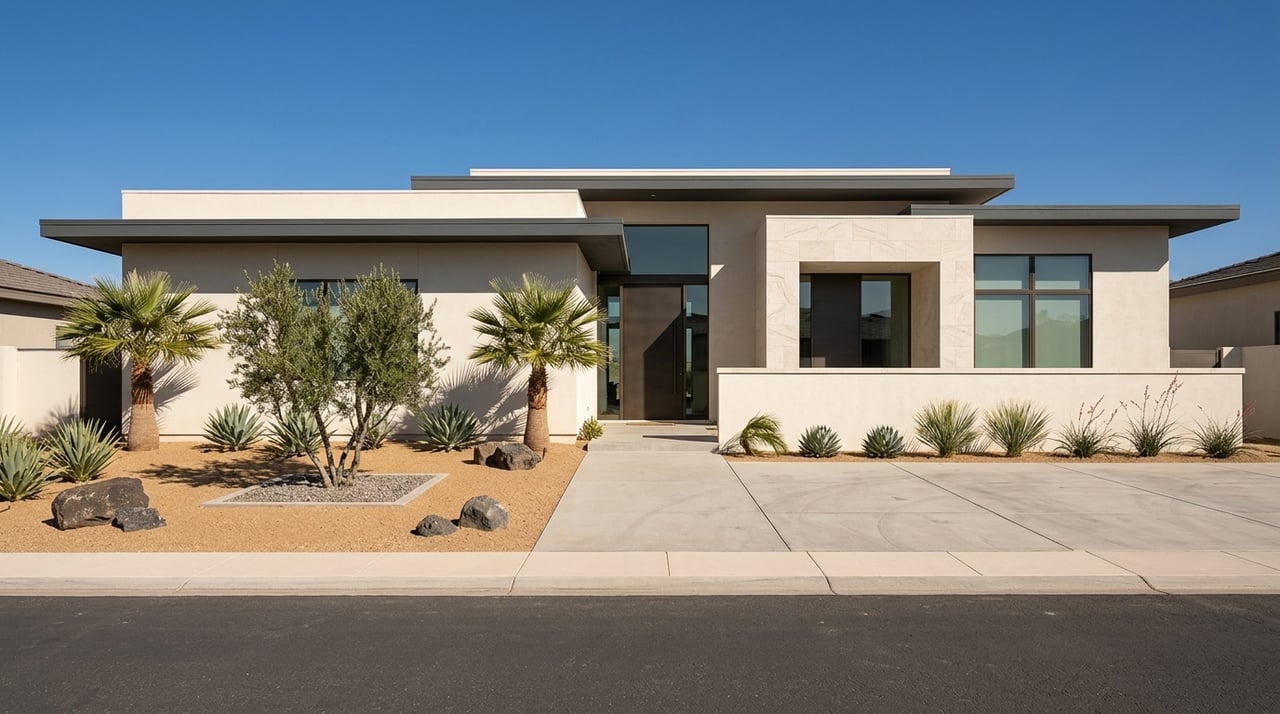
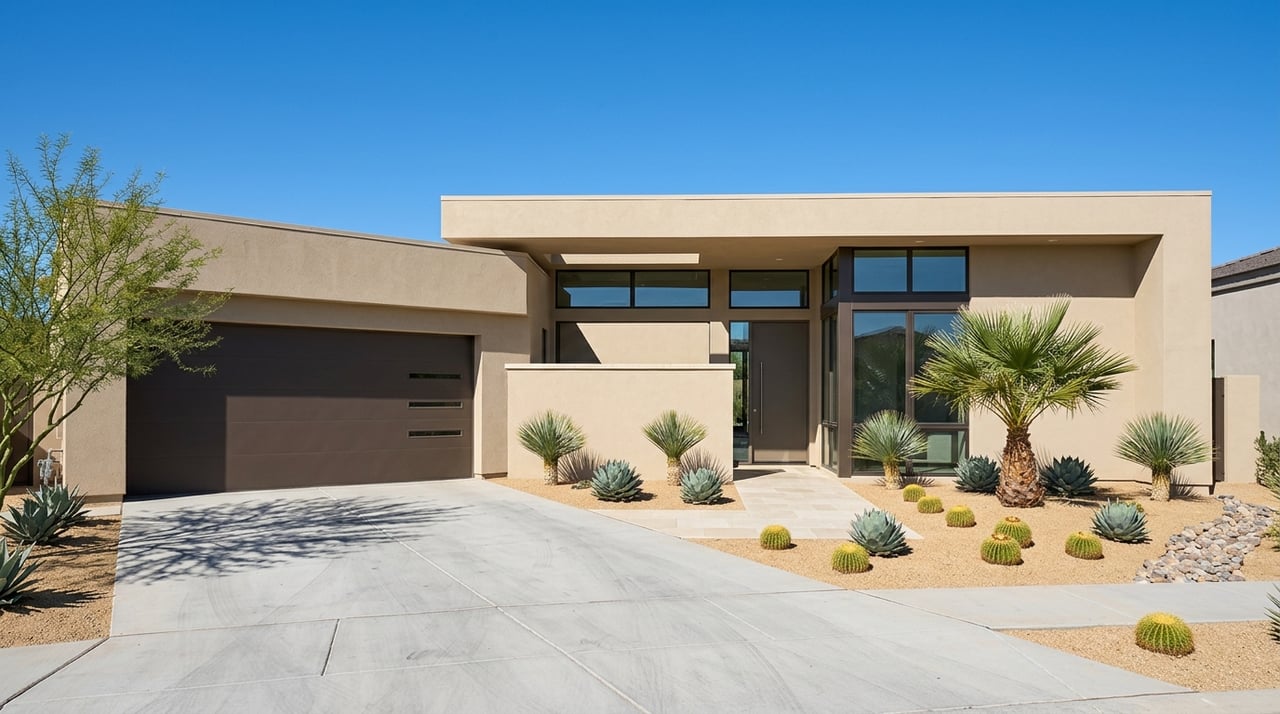
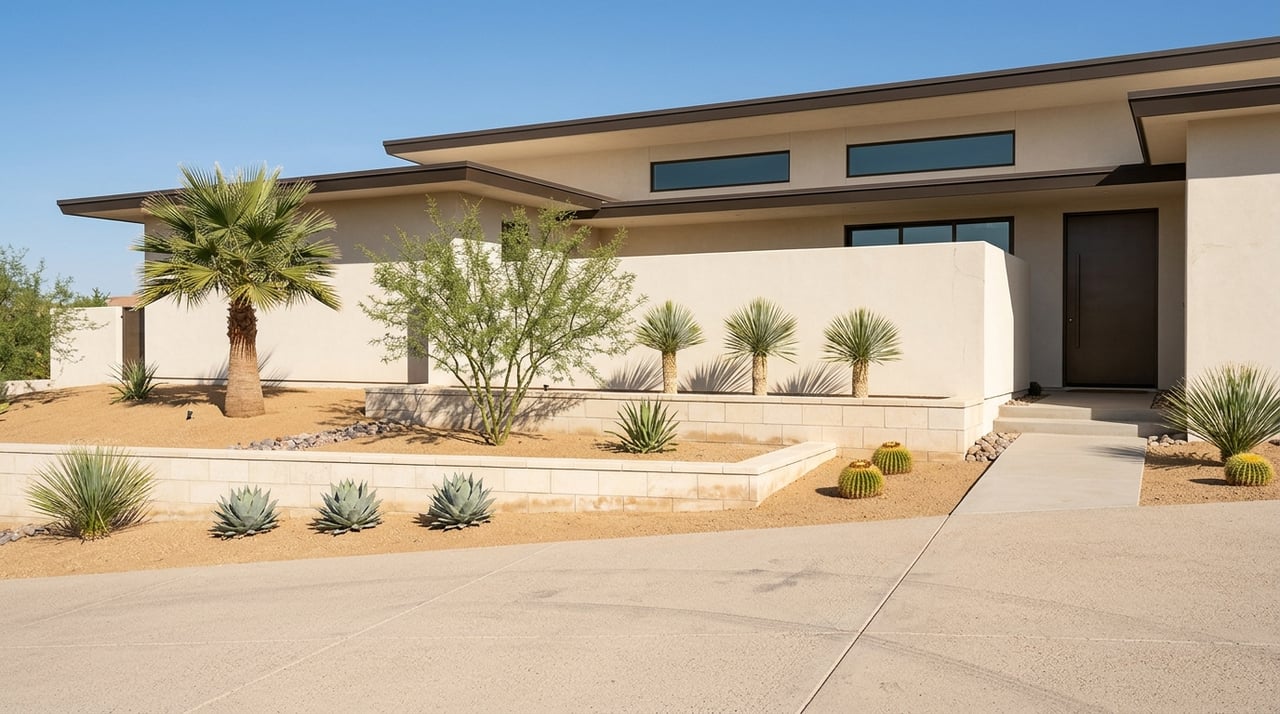
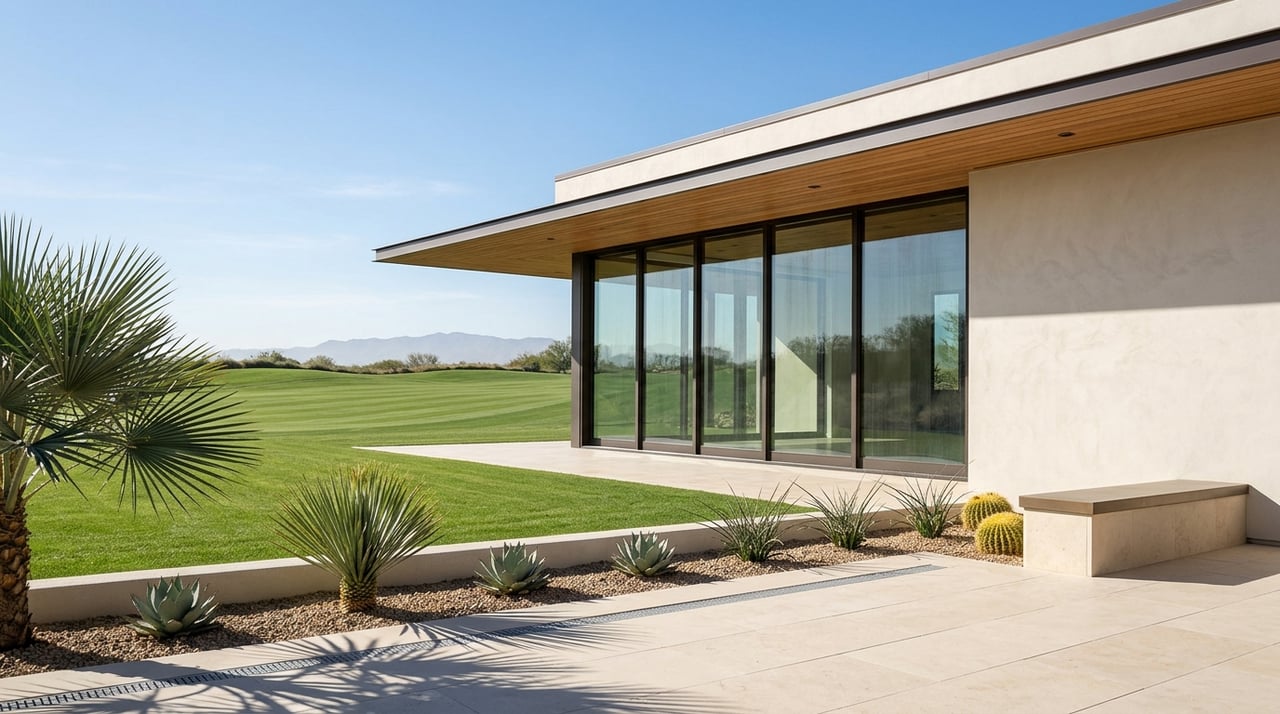
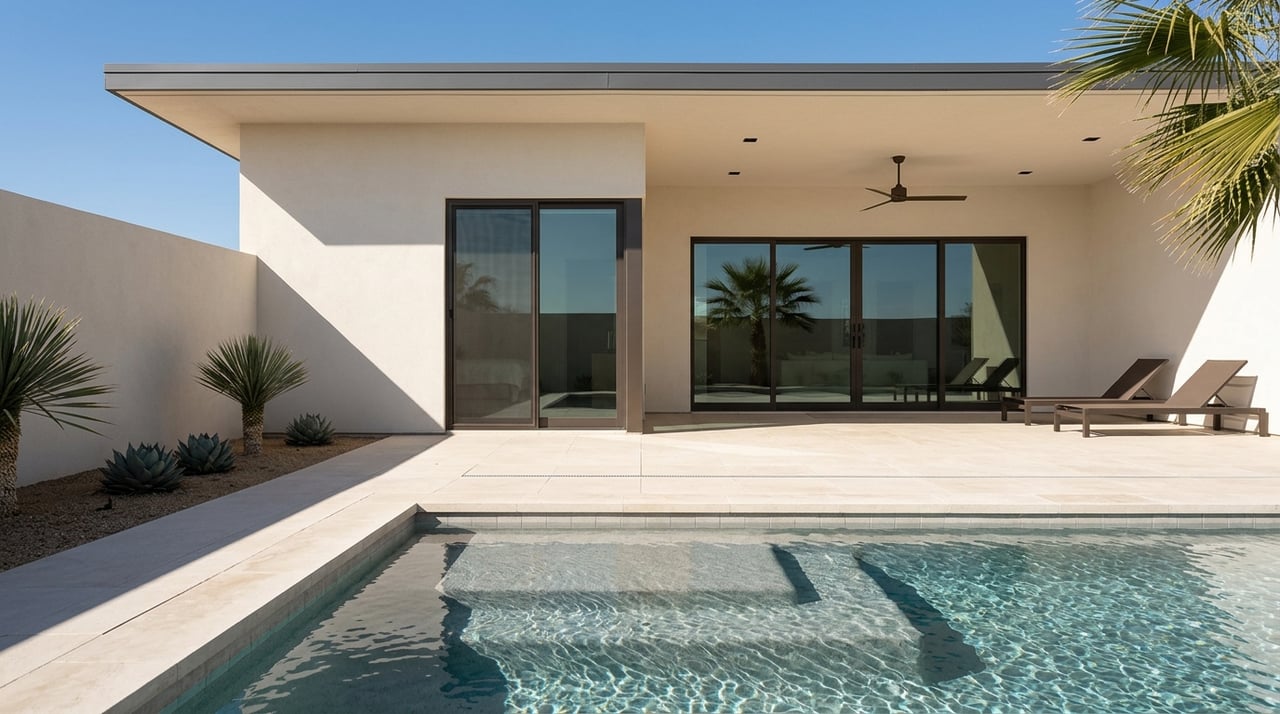
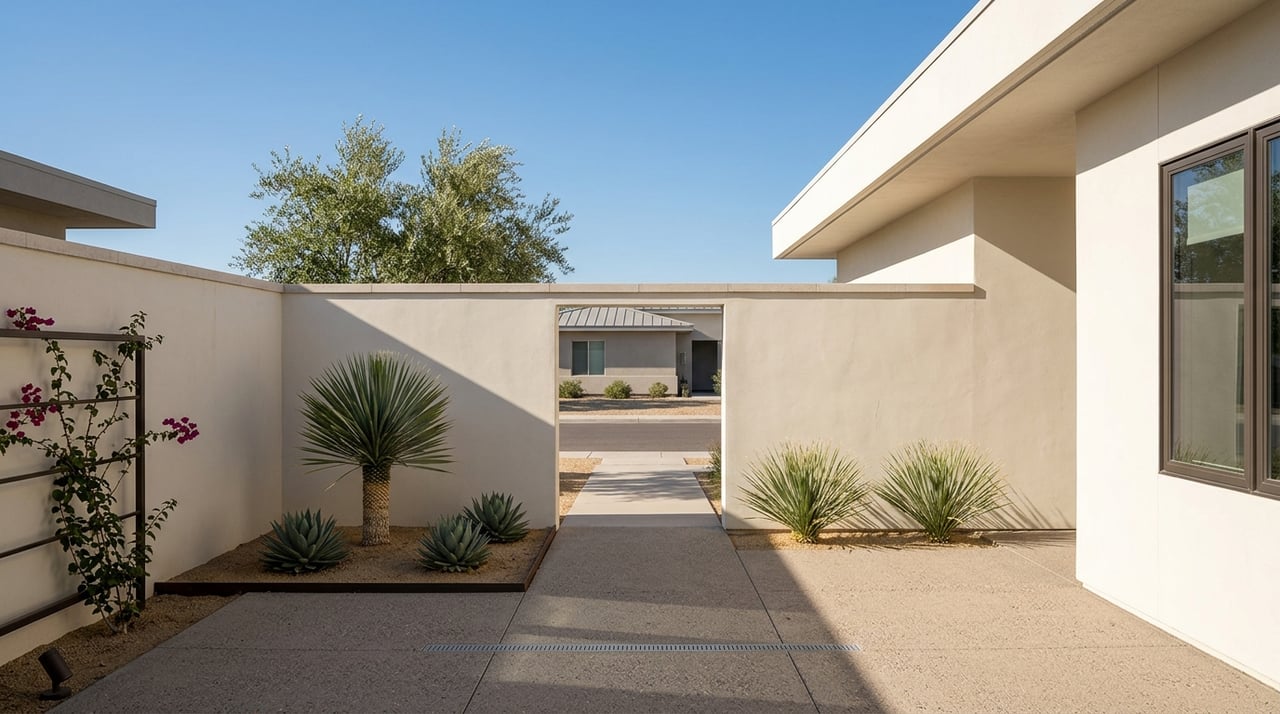
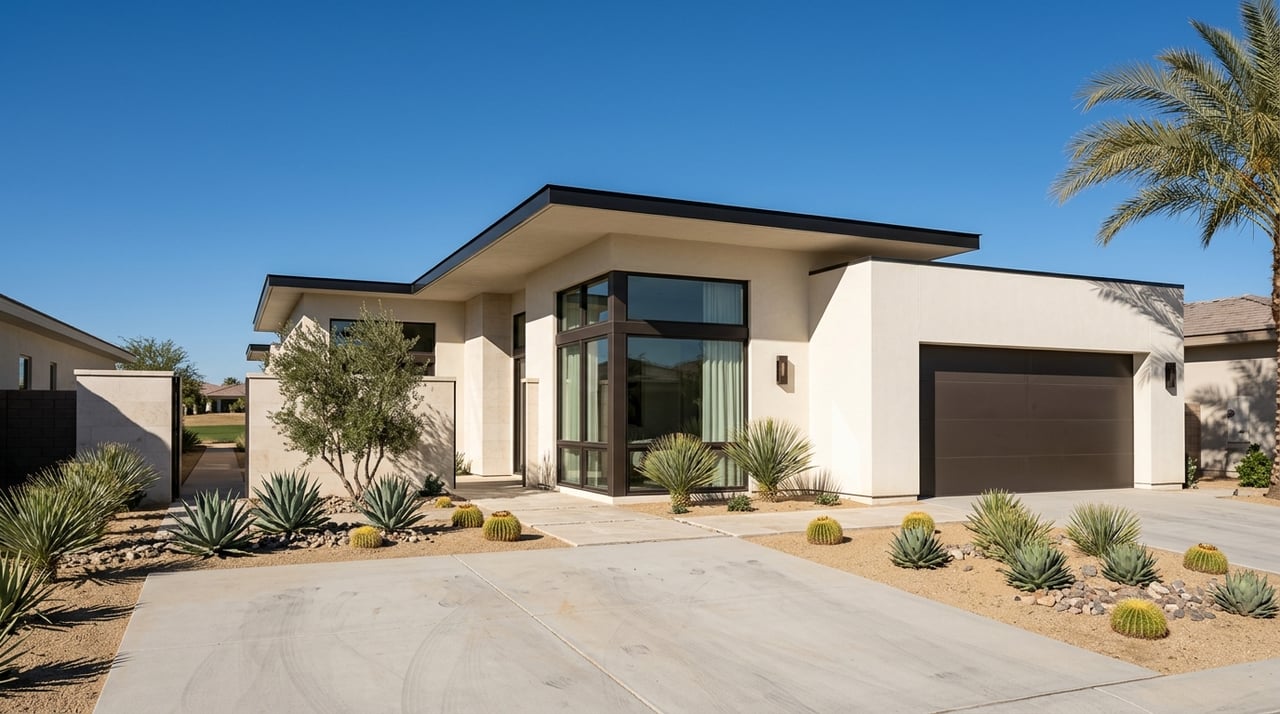
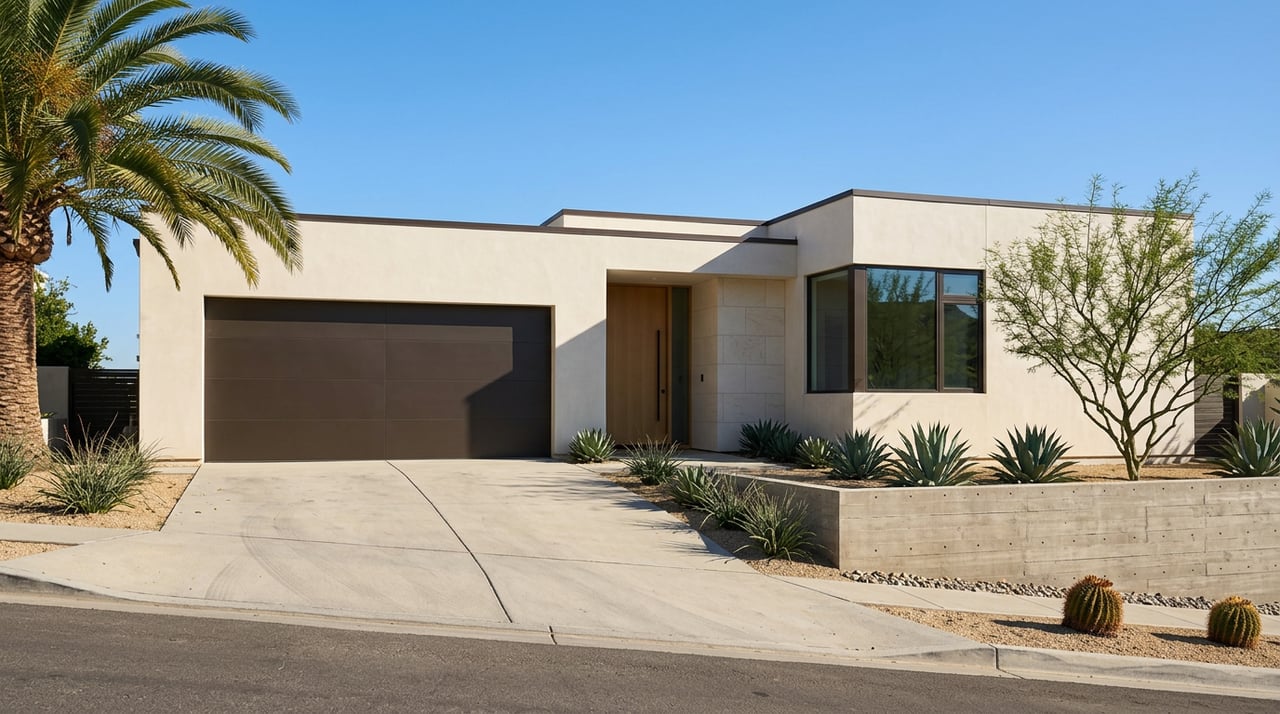
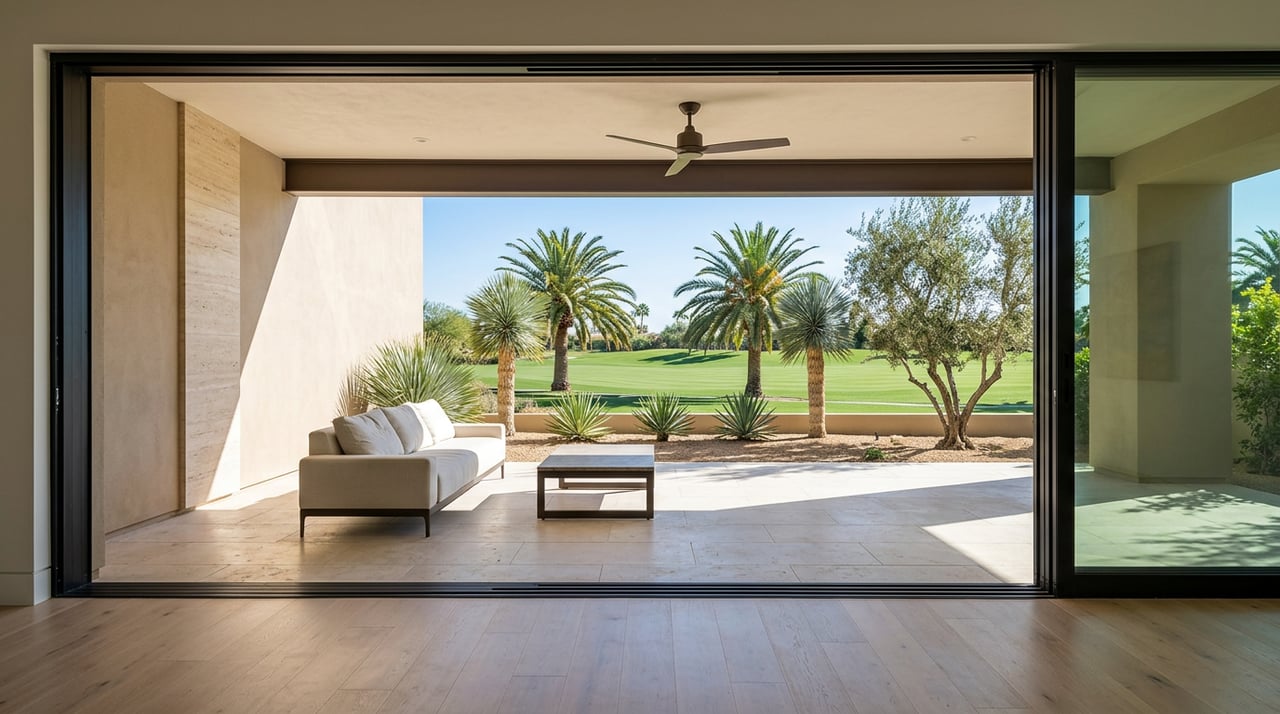
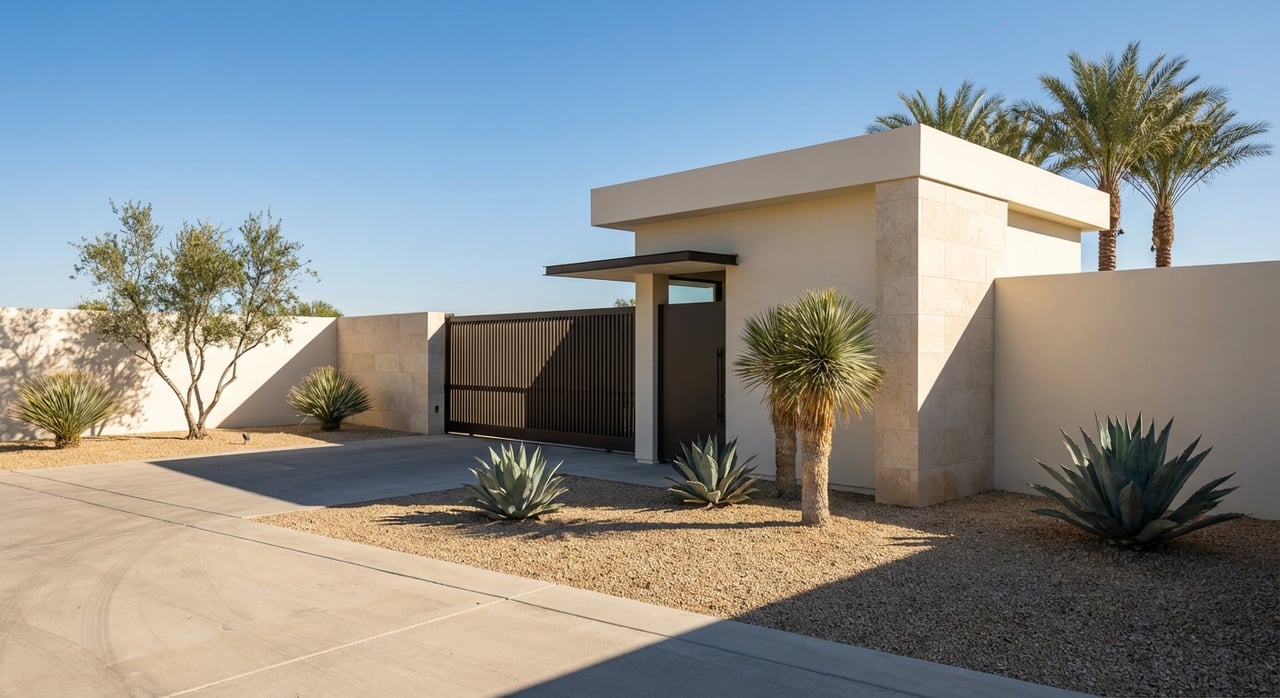
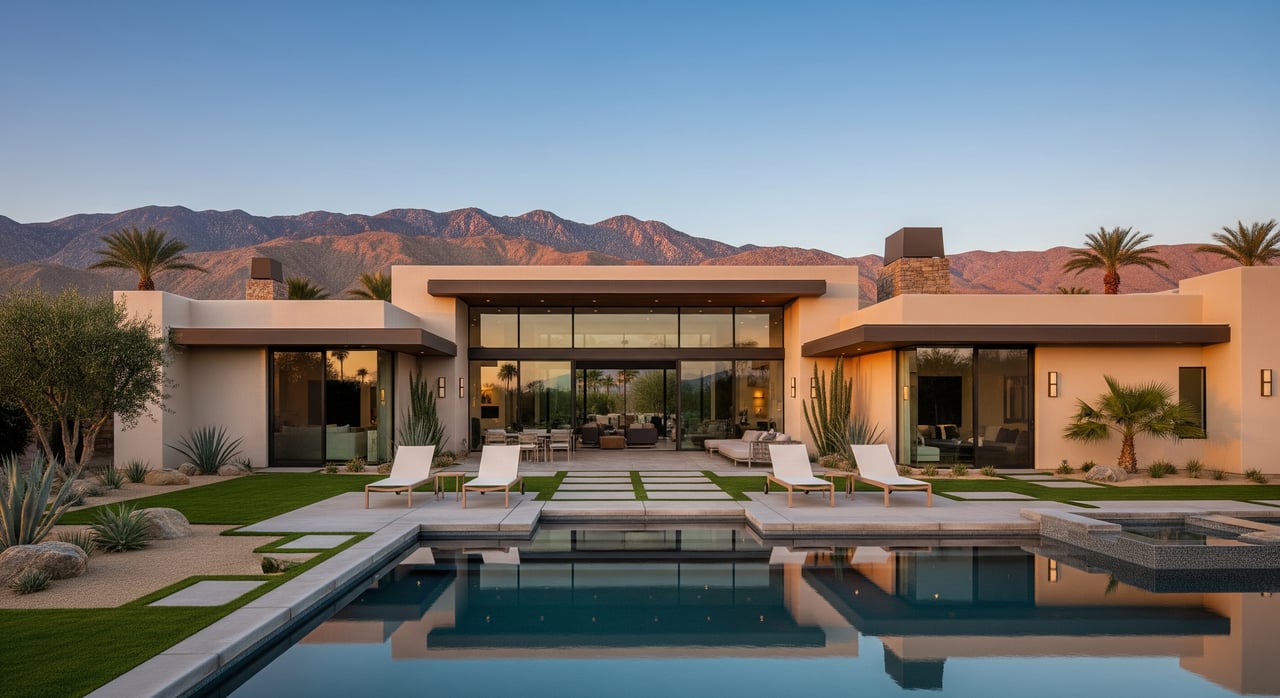
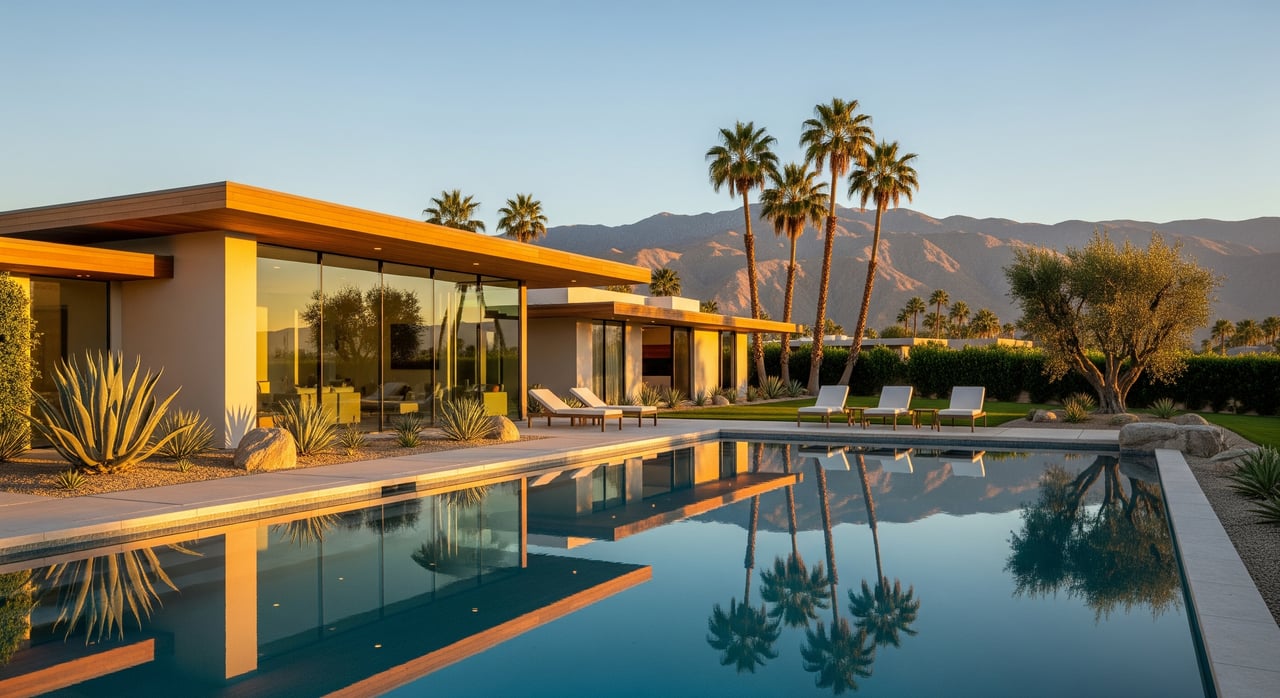
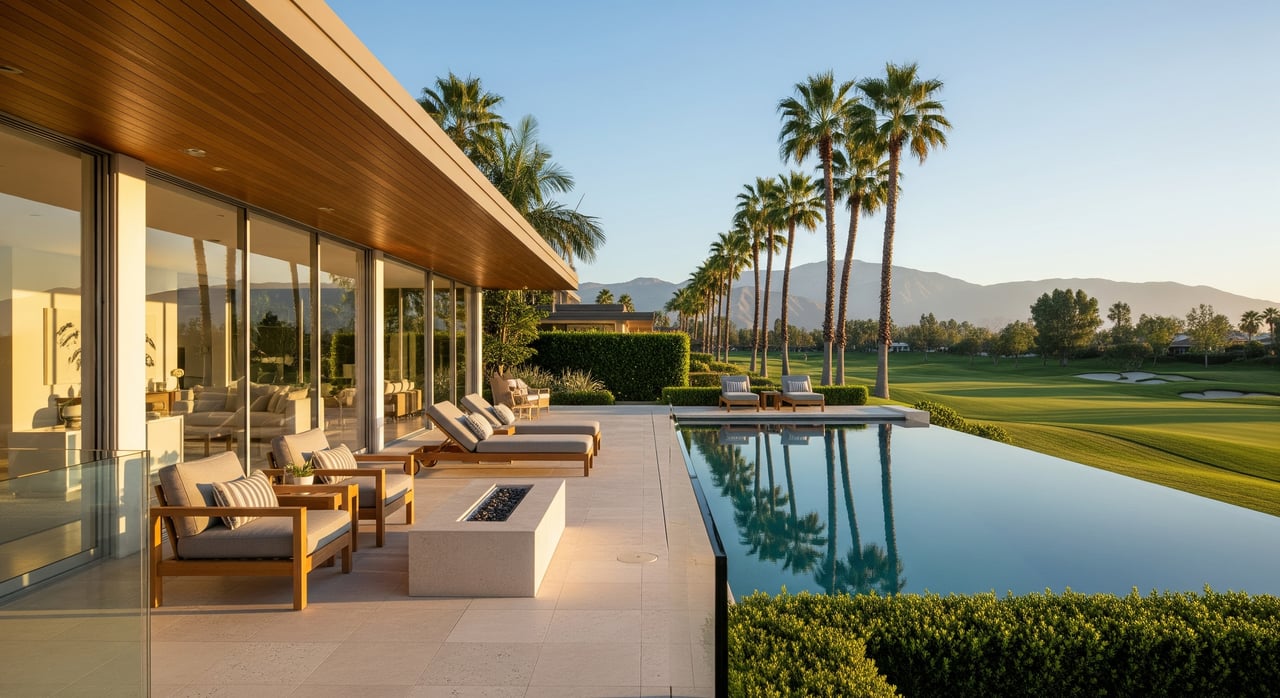
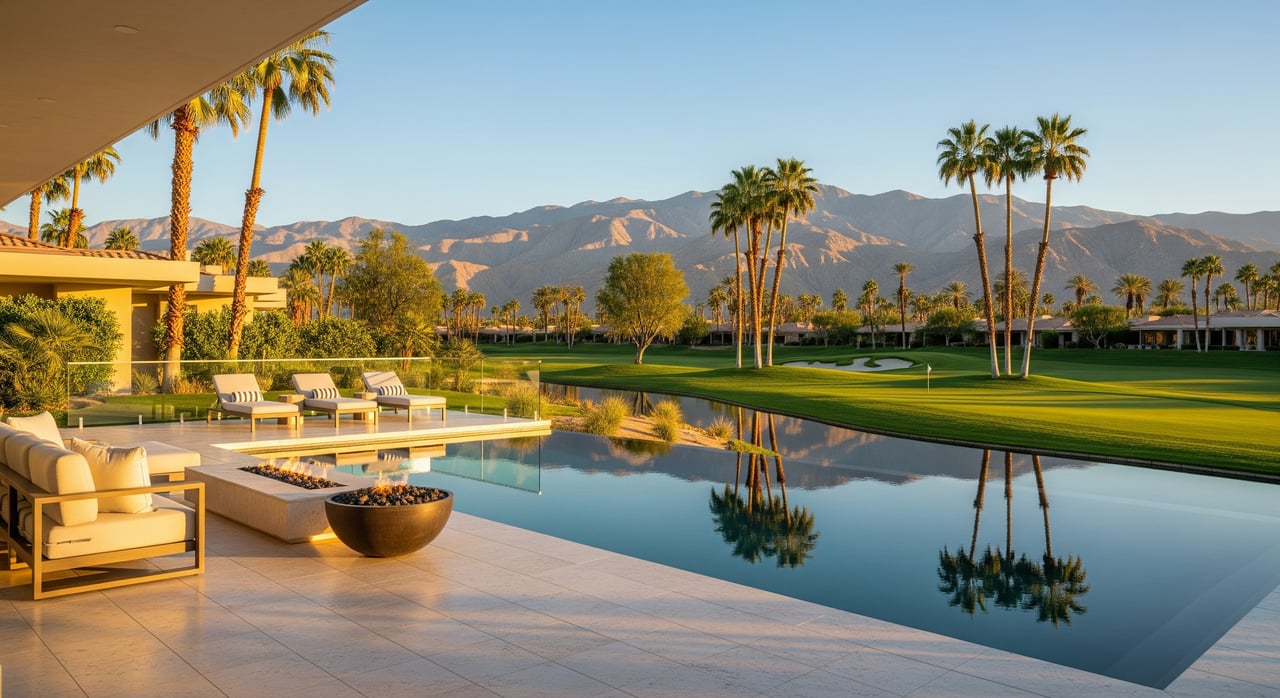
Notice the spread in price per square foot: from $741 to $1,027, a difference of nearly 40 percent on the same private street. On a tract development, that spread would signal something is wrong with one of the comps. Here, it signals the opposite. Clancy Lane Estates was never built to a single plan. Listings on the street describe fully custom Mediterranean-modern architecture, a home built as a Juan Carlos Ochoa design, half-acre-plus lots with private putting greens and independent pool heating systems. These are one-of-one estates on generous, individually sized parcels, some approaching an acre. When every house is architecturally distinct, price per square foot stops being a reliable shorthand and becomes just one data point among several.
The Golden Handcuff Nobody Puts in the Listing
There is a second, quieter effect of Prop 13 that shapes why a street like this rarely has more than a house or two on the market at once. Selling means giving up a tax basis that may be decades old. A longtime owner on Clancy Lane Estates who lists their home is not just selling a house. They are voluntarily walking away from a property tax bill that has been artificially low for years, in exchange for whatever they can get in the sale. For an owner who is not otherwise motivated to move, that math often does not pencil out, which helps explain why a street of sixteen homes produced only four closed sales across a twelve-month stretch. Inventory on Clancy Lane Estates is not scarce because demand has collapsed. It is scarce because the tax code gives owners a real financial reason to stay put.
For a buyer, this cuts the other way. Every offer here is competing not just against other buyers but against the seller's own reluctance to trade a low tax basis for a sale price. That context is worth carrying into any negotiation on this street, because it explains pricing behavior that would otherwise look erratic.
What This Means for the Next Buyer's Actual Costs
If you are pricing a purchase on Clancy Lane Estates, the assessor's average is not your number. Your number is roughly 1 percent of your purchase price, plus voter-approved local bond assessments that typically add a smaller amount on top, applied to whatever you actually pay at closing. On a $5 million purchase, that puts the ongoing annual property tax bill in a very different range than the $19,500 average currently reported for the street, because that average reflects owners who bought decades ago, not a fresh purchase at today's prices.
The supplemental bill is the part that catches people off guard. It exists specifically to bridge the gap between the seller's old assessed value and your new purchase price for the remainder of the fiscal year, and it arrives separately from the regular annual tax bill most buyers are expecting. Ask your escrow officer to walk through what that supplemental assessment is likely to look like before you close, not after. It is a predictable cost, not a surprise one, once you know to ask.
Frequently Asked Questions
Does a lower assessed value on a home for sale mean it will have a lower tax bill after I buy it? No. The seller's assessed value disappears the moment the sale records. Your tax bill is based on your purchase price, not on what the previous owner was paying.
Can I keep the seller's low tax basis if I buy the home? Only in narrow, specific circumstances defined by state law, such as certain transfers between spouses or, under Proposition 19, a qualifying transfer between a parent and child who moves in as their primary residence. A standard arm's length purchase resets the basis entirely.
Why does price per square foot vary so much between homes on the same street? Because these are individually designed estates on lots that range in size, not units built from a shared floor plan. Comparing price per square foot across custom homes tells you less than comparing lot size, build quality, and the specific improvements each seller made.
Clancy Lane Estates rewards a buyer who reads the sale history rather than the average, and understands the tax mechanics before the second bill arrives. That is the kind of detail that separates a smooth close from an expensive surprise, and it is exactly the sort of block-level read The Downs Team works through with every buyer looking at Rancho Mirage's gated communities. If you are comparing what a home here will actually cost you to own, request a complimentary home valuation and we will walk through the real numbers before you write an offer.